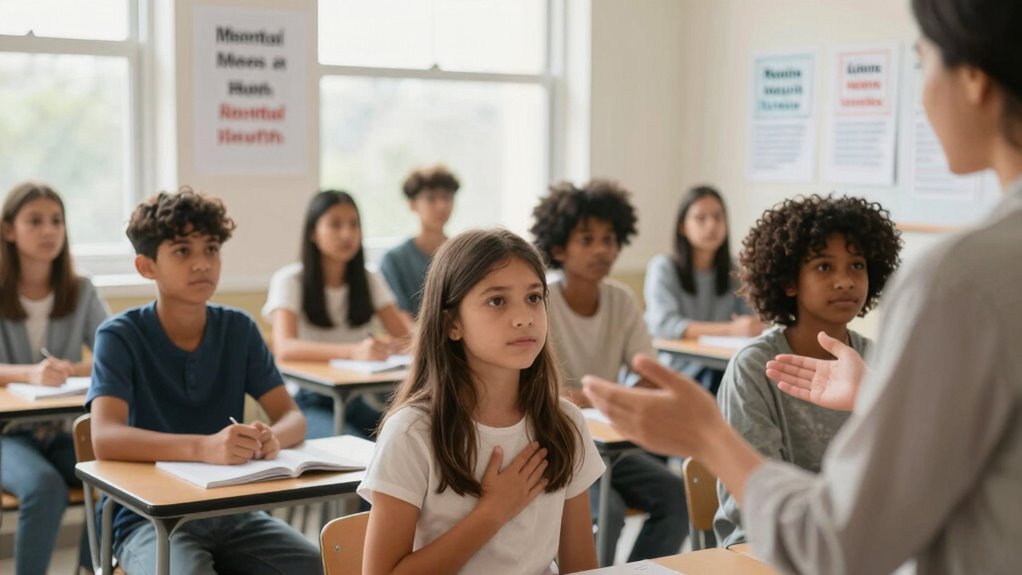

Mental health education shouldn’t be an afterthought because it helps you understand and manage your emotions, reducing stigma and encouraging open conversations. When you learn coping skills like mindfulness and emotional regulation, you can handle stress better and seek support when needed. Building awareness fosters compassionate communities where everyone feels safe and supported. By prioritizing mental health education, you’re contributing to a healthier society. Keep exploring to discover more ways it benefits you and those around you.

Turn your quiet moments into listening time
- Thousands of audiobooks, podcasts and originals
- Listen on your phone, tablet or Echo — also offline
- Cancel anytime
Key Takeaways
- It fosters a culture of openness, reducing stigma and encouraging help-seeking behaviors from an early age.
- Early education equips individuals with coping skills to manage stress, anxiety, and depression effectively.
- Integrating mental health education promotes healthier communities and reduces long-term societal costs.
- Addressing mental health proactively prevents escalation of issues and improves overall well-being.
- Making mental health education a priority supports equality, empathy, and resilience across all life stages.
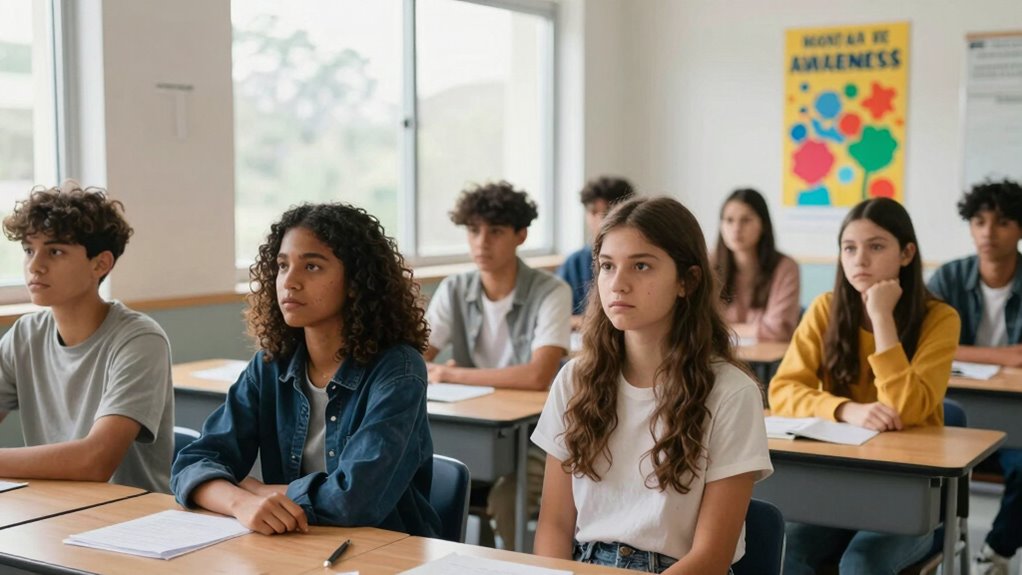
Have you ever wondered why mental health education is becoming increasingly essential in today’s society? The truth is, understanding mental health isn’t just about recognizing symptoms; it’s about fostering a culture that supports openness and empathy. When mental health education is prioritized, it plays a pivotal role in stigma reduction, helping to break down the barriers that prevent people from seeking help. Too often, mental health issues are shrouded in shame or misunderstood, leading individuals to hide their struggles or suffer in silence. By incorporating mental health education into schools, workplaces, and community programs, you can help normalize conversations around mental well-being. This normalization encourages people to acknowledge their feelings without fear of judgment, creating an environment where seeking help is seen as a sign of strength, not weakness.
Equipping yourself with effective coping strategies is another essential aspect of mental health education. When you understand how to manage stress, anxiety, or depression, you’re better prepared to face life’s challenges. Education teaches practical skills such as mindfulness, time management, and emotional regulation, empowering you to take control of your mental well-being. It also highlights the importance of seeking support when needed, whether through therapy, support groups, or trusted friends and family. Recognizing that mental health issues are common and treatable can make a significant difference in how quickly you respond to problems. The more you learn about coping strategies, the more resilient you become, reducing the risk of long-term mental health complications. Additionally, understanding the importance of natural environments and landscaping can promote relaxation and overall mental wellness. Incorporating knowledge about color accuracy and visual comfort from home cinema projectors can also help in designing calming spaces that support mental health. Furthermore, increasing awareness about the role of early intervention can facilitate quicker access to necessary resources and support systems. Recognizing the role of herbal therapies and holistic practices can also complement traditional mental health treatments and promote overall well-being. Learning about cybersecurity challenges and how they can impact mental health is another emerging area, as online threats and digital stressors contribute to anxiety and feelings of vulnerability.
Furthermore, mental health education fosters early intervention. When you or those around you are aware of warning signs, you can act sooner rather than later. This proactive approach can prevent issues from escalating and lead to better outcomes. Education also helps dismantle misconceptions, such as the idea that mental health problems are a sign of personal weakness or moral failing. Instead, it promotes understanding that mental health exists on a continuum and that everyone can benefit from support at different points in their lives. Ultimately, integrating mental health education into everyday life isn’t just beneficial—it’s necessary for building healthier, more compassionate communities. When you prioritize mental health education, you’re contributing to a society where stigma is reduced, coping strategies are learned and shared, and everyone feels empowered to seek help without shame.
Frequently Asked Questions
How Can Schools Effectively Integrate Mental Health Into Their Curriculum?
You can effectively integrate mental health into your curriculum by using classroom strategies that promote open discussions and mindfulness activities. Focus on student engagement by creating a safe space where students feel comfortable sharing their feelings. Incorporate mental health topics into lessons across subjects, and involve guest speakers or counselors. Regular check-ins and activities that build emotional resilience will help students develop essential coping skills and foster a supportive learning environment.
What Are the Long-Term Societal Benefits of Early Mental Health Education?
By prioritizing early mental health education, you help foster a society where stigma reduction becomes second nature and emotional resilience is cultivated from a young age. This proactive approach leads to fewer misunderstandings and greater empathy, enabling individuals to navigate life’s challenges more effectively. Over time, these benefits create healthier communities, reduce mental health disparities, and promote overall well-being, proving that early education truly pays dividends for society’s long-term mental health landscape.
How Do Cultural Differences Impact Mental Health Education Implementation?
Cultural differences considerably influence how you implement mental health education. By practicing cultural sensitivity, you guarantee materials respect diverse beliefs and traditions, increasing engagement. Addressing stigma reduction is essential, as your approach must challenge negative stereotypes specific to each community. When you tailor education to cultural contexts, you foster trust, open dialogue, and acceptance, making mental health support more accessible and effective for everyone, regardless of their background.
What Training Do Teachers Need to Effectively Teach Mental Health Topics?
You’d think teachers would naturally know how to handle mental health topics, but they need specific training. You should focus on building their mental health literacy and emotional resilience, so they can confidently address students’ needs. Effective training includes understanding mental health signs, fostering open dialogues, and applying empathy. This equips you to create a supportive environment, helping students navigate their emotions and develop resilience — essential skills for lifelong well-being.
How Can Parents Support Mental Health Education at Home?
You can support mental health education at home by actively involving yourself in your child’s emotional well-being. Offer consistent emotional support, listen without judgment, and encourage open conversations about feelings and mental health topics. Parent involvement shows your child that mental health matters, fostering a safe space for them to express themselves. Your proactive engagement helps reinforce what they learn in school, promoting resilience and healthy coping strategies.
Conclusion
If you ignore mental health education, you’re risking more than you realize. What if the next crisis hits unexpectedly, and your knowledge isn’t enough to protect yourself or others? The truth is, mental health awareness isn’t a luxury—it’s a necessity that can’t wait. So, are you prepared to face the unknown, or will you leave it to chance? The choice is yours, but remember, the future of mental well-being might just depend on what you do today.
Products Worth Considering
mindfulness meditation for stress relief
As an affiliate, we earn on qualifying purchases.
As an affiliate, we earn on qualifying purchases.