

Curiosity often gets overlooked as a key learning skill because many focus on memorization and routine study methods. But it’s what pushes you to ask creative questions, explore new ideas, and challenge assumptions. This active mindset fuels motivation, sparks innovation, and keeps your mind sharp. When you embrace curiosity, you transform learning into an exciting adventure, opening doors to growth you might never have reached otherwise. Keep exploring, and you’ll discover even more ways to release your potential.

Turn your quiet moments into listening time
- Thousands of audiobooks, podcasts and originals
- Listen on your phone, tablet or Echo — also offline
- Cancel anytime
Key Takeaways
- Curiosity drives creative questioning and open-minded exploration, essential for deep, innovative learning beyond rote memorization.
- It fosters a growth mindset, encouraging experimentation and viewing mistakes as opportunities for growth.
- Despite its importance, curiosity is often overlooked in traditional education, which emphasizes standardized testing over inquiry.
- Cultivating curiosity enhances motivation, engagement, and the ability to connect ideas, making learning more meaningful and enjoyable.
- Recognizing curiosity as a skill that can be developed unlocks its full potential for continuous personal and professional growth.
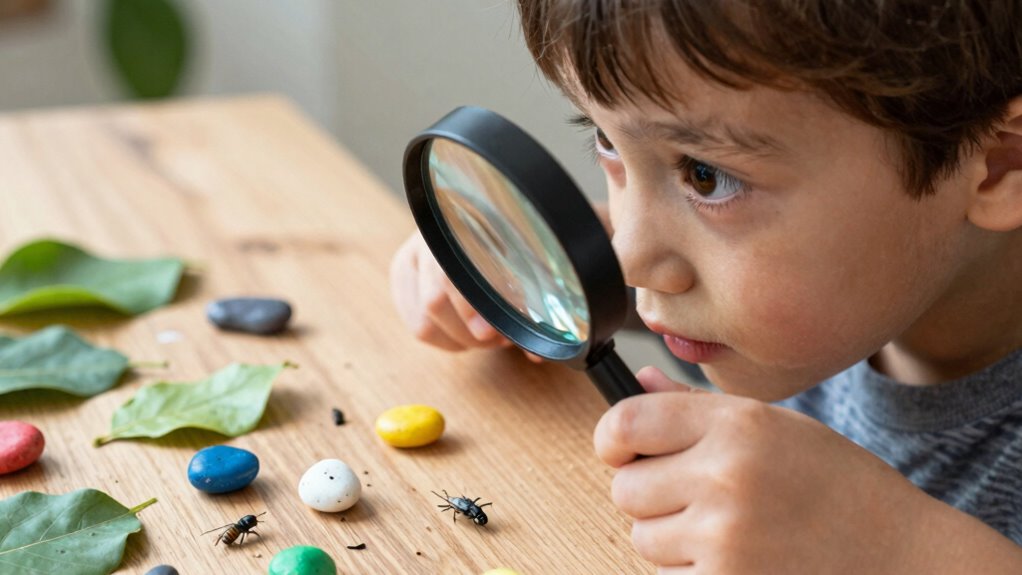
Have you ever wondered why some people seem to learn new things effortlessly while others struggle? It often comes down to one core skill: curiosity. But curiosity isn’t just about asking questions; it’s about engaging in creative questioning and open-minded exploration. When you approach learning with curiosity, you open the door to new ideas, perspectives, and solutions that might otherwise remain hidden. Instead of sticking to what you already know, you challenge yourself to dig deeper, question assumptions, and see the world with fresh eyes.
Curiosity unlocks new ideas, perspectives, and growth through creative questioning and open-minded exploration.
Creative questioning turns simple curiosity into a powerful learning tool. It’s not just about asking “why” or “how,” but about framing questions that push boundaries. For example, instead of asking, “How does this work?” you might ask, “What if I looked at this from a completely different angle?” or “What other ways could I approach this problem?” This kind of questioning encourages you to think beyond the obvious and stimulates your brain to seek out connections and patterns you might not have noticed before. It’s a way of training yourself to be genuinely interested in the subject and to see learning as an adventure rather than a chore. Developing a curious mindset can also help you overcome mental barriers and boost your confidence in tackling unfamiliar topics.
Open-minded exploration is equally crucial. When you approach new topics or skills with an open mind, you allow yourself to be receptive to different perspectives and ideas. This openness helps you break free from preconceived notions that limit your understanding. Instead, you embrace uncertainty and view mistakes as opportunities for growth. Cultivating a growth mindset can significantly enhance your willingness to experiment and learn from setbacks. You become more adaptable, willing to experiment, and less afraid of failure. This mindset creates an environment where curiosity flourishes and learning becomes a continuous, dynamic process. Incorporating natural elements and sustainable practices can further inspire this openness by connecting you with the environment and fostering a sense of harmony in your learning journey.
The beauty of curiosity as a learning skill is that it’s not something you’re born with; it’s something you can develop. By consciously practicing creative questioning and adopting an open-minded approach to new challenges, you deepen your understanding and accelerate your growth. You begin to see learning as an ongoing journey, not just a destination. This mindset makes every experience a chance to discover something new, and it transforms how you approach problems and opportunities alike. Ultimately, curiosity fuels your motivation, sharpens your thinking, and keeps your mind active. It’s a skill that, when nurtured, can unlock your full potential and turn the learning process into an exciting, fulfilling adventure. Recognizing content formats as part of your learning toolkit can further enhance your ability to explore and absorb new information.
Frequently Asked Questions
How Can Curiosity Be Measured Objectively?
You can measure curiosity objectively through a combination of quantitative assessment and behavioral indicators. Quantitative assessment involves tracking metrics like the number of questions asked, time spent exploring new topics, or engagement levels in learning tasks. Behavioral indicators include observing signs of active inquiry, persistent questioning, and the willingness to explore unfamiliar ideas. Together, these methods provide a measurable way to gauge your curiosity and its impact on learning.
Does Curiosity Decline With Age or Experience?
Curiosity can decline with age due to age-related decline, but experience influence plays a significant role too. As you gain more experience, you might become less curious about familiar topics, yet new experiences can also reignite curiosity. While some studies suggest curiosity decreases over time, it’s also adaptable. You can actively nurture your curiosity by seeking novel challenges, regardless of age or experience, keeping your learning spirit alive.
Can Curiosity Be Cultivated Intentionally?
Yes, you can cultivate curiosity intentionally through curiosity training. Imagine opening a new way to explore the world around you—this is what intentional cultivation offers. By practicing curiosity exercises daily, asking more questions, and embracing unfamiliar topics, you train your mind to seek out new knowledge naturally. The more you do it, the more curiosity becomes a habit, transforming your learning experience into an exciting and ongoing adventure.
Are There Cultural Differences in Valuing Curiosity?
Yes, cultural perceptions greatly influence how curiosity is valued and expressed. In some cultures, curiosity is encouraged as a sign of intelligence and engagement, while in others, it may be seen as inappropriate or intrusive. You might find that your curiosity expression varies based on cultural norms, affecting how freely you ask questions or explore new ideas. Recognizing these differences helps you navigate diverse environments and appreciate varied approaches to learning.
How Does Curiosity Impact Long-Term Retention of Knowledge?
Curiosity boosts long-term retention by actively engaging your brain, leading to better memory enhancement and knowledge reinforcement. When you’re curious, you’re more likely to explore topics deeply, making connections that solidify information in your memory. This active involvement helps transform fleeting facts into lasting knowledge. By fostering curiosity, you improve your ability to recall information over time, making learning more effective and enjoyable, and ensuring the concepts stick with you long-term.
Conclusion
So, next time you find yourself curious about something unexpected, remember—it’s no coincidence. That spark of curiosity is your greatest secret weapon for learning more, exploring new ideas, and growing beyond what you thought possible. Embrace it, because in those moments of wonder, you’re not just discovering the world—you’re also uncovering your own potential. Keep curiosity alive, and you’ll find that learning becomes an exciting, lifelong adventure you can’t help but love.
Products Worth Considering
creative questioning learning tools
As an affiliate, we earn on qualifying purchases.
As an affiliate, we earn on qualifying purchases.