To create fire-smart landscaping for safety, focus on choosing native, drought-tolerant plants that resist ignition and require less water. Regularly remove dead or overgrown vegetation and keep trees and shrubs spaced apart to prevent fire spread. Use fire-resistant ground covers and mulch around your home, and maintain a defensible space by pruning plants and clearing debris. Maintaining these practices helps protect your property; learn more to make your landscape both beautiful and fire-wise.

Turn your quiet moments into listening time
- Thousands of audiobooks, podcasts and originals
- Listen on your phone, tablet or Echo — also offline
- Cancel anytime
Key Takeaways
- Use native, drought-tolerant plants with high moisture content to reduce fire risk and promote resilience.
- Maintain defensible space by removing dead vegetation and creating fire-resistant buffer zones around structures.
- Group plants by water needs and employ targeted irrigation to minimize dry, combustible debris.
- Avoid highly flammable species like junipers and eucalyptus; select native grasses and thick-leaved perennials.
- Regularly prune, clear debris, and mulch with fire-resistant materials to prevent fire spread and enhance safety.

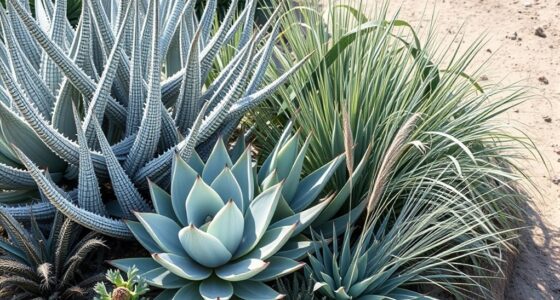
Creating a fire-smart landscape is one of the most effective ways to protect your home and loved ones from wildfires. The key is to design a yard that minimizes fire risk while promoting water conservation and ecological health. One of the best strategies is choosing native plants, which are naturally adapted to your area’s climate and soil. These plants typically require less water, fertilizers, and pesticides, making them an eco-friendly choice that also reduces your water bills. Native plants tend to be less flammable than exotic species, providing a natural buffer around your home. Incorporate low-growing ground covers, drought-tolerant shrubs, and strategically placed trees that are spaced appropriately to prevent fire from spreading easily.
Choose native plants to create a fire-resistant, water-wise landscape that protects your home and supports ecological health.
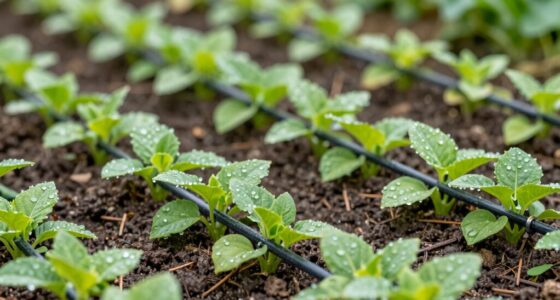
When selecting plants, avoid highly flammable species like junipers, eucalyptus, and certain succulents, and instead opt for native grasses and perennials that have thicker leaves and higher moisture content. These plants not only resist ignition better but also help in water conservation, especially during drought conditions. Grouping plants with similar water needs together allows you to water more efficiently, reducing waste while maintaining healthy, resilient landscaping. Installing drip irrigation or soaker hoses helps deliver water directly to the roots, minimizing evaporation and runoff. This targeted watering conserves water and ensures your plants stay healthy, reducing the likelihood of dead, dry vegetation that can fuel a fire.
Creating defensible space around your home involves removing dead or overgrown vegetation and creating a defensible zone free of combustible materials. Use native plants as a natural barrier, but keep them well-maintained by pruning and removing fallen leaves and branches regularly. Mulching with inorganic materials like gravel or fire-resistant mulch can also help prevent flames from reaching your home, and these mulches often require less water than organic options. Strategic placement of trees and shrubs is essential; maintain adequate spacing to prevent fire from leaping from one plant to another. Additionally, keeping your roof and gutters clear of debris, and creating a buffer zone of non-flammable ground cover directly adjacent to your house, further reduces fire risk. Incorporating fire-resistant plants into your landscaping can provide added protection and resilience against wildfire threats.
Incorporating native plants into your landscaping not only enhances its aesthetic appeal but also plays an indispensable role in water conservation. By choosing plants suited to your environment, you lower water usage and increase your yard’s resilience to drought. This sustainable approach ensures your landscape remains beautiful, healthy, and fire-resistant, giving you peace of mind knowing you’ve taken meaningful steps to protect your home and community from wildfire threats.
Frequently Asked Questions
How Often Should I Prune Fire-Resistant Plants?
You should prune fire-resistant plants annually or as needed to maintain plant health and reduce fire risk. Use proper pruning techniques, like making clean cuts just above a node, to promote healthy growth. Regular pruning helps remove dead or damaged branches, improves airflow, and keeps plants at a manageable size. Keep an eye on your plants, and prune promptly to make sure they stay healthy and fire-resistant.
Can I Use Mulch Around My Home Safely?
Yes, you can use mulch around your home safely if you choose the right types. Opt for inorganic mulches like gravel or stone, which are fire-resistant and won’t ignite easily. Avoid flammable options like wood chips or bark near fire-resistant plants, especially in high-risk areas. Regularly maintain your mulch, keeping it moist and clear of debris, to further reduce fire hazards and protect your home.
What Are the Best Non-Flammable Fencing Options?
Did you know that non-flammable fencing can substantially reduce fire risk around your home? For fence material selection, options like metal, brick, or stone are excellent choices, as they resist flames better than wood or vinyl. To stay effective, you need to maintain your fencing by checking for damage or debris buildup. This ensures your fence remains a reliable barrier, protecting your property during fire season.
How Do I Prevent Ember Intrusion in My Yard?
To prevent ember intrusion, you should create an ember barrier by installing non-flammable materials around your yard, such as metal or brick. Keep your yard clear of leaves, pine needles, and other debris that can catch embers. Maintain at least a 30-foot yard clearance zone, removing dead vegetation and trimming trees to reduce fuel. Regularly inspect your property for gaps or vulnerabilities in your ember defenses.
Are There Specific Native Plants Recommended for Fire-Prone Areas?
You can’t go wrong with native plants like manzanita, ceanothus, and red yucca—they’re practically fire superheroes! These fire-adapted vegetation choices are specially designed to resist flames and slow fire spread, making your yard a fortress against wildfires. Selecting native plants not only boosts your landscape’s resilience but also supports local ecosystems. Embrace fire-smart native plant selection, and transform your yard into a natural fire barrier that’s both beautiful and battle-ready!
Conclusion
By adopting fire-smart landscaping, you dramatically reduce your home’s risk of wildfire damage. Did you know that properties with defensible space are up to 70% less likely to experience severe fire impact? Implementing fire-resistant plants and creating safe zones around your home not only protects your loved ones but also helps the entire community. Take action today—your proactive steps can make all the difference in staying safe and resilient against wildfires.
Products Worth Considering

Oura Ring 4 Smart Ring – Silver – Size 8

Garmin Venu 3 Fitness Smartwatch, 45 mm, Black

Hyperice Normatec 3 Leg Compression Boots – Standard Size
As an affiliate, we earn on qualifying purchases.