Using nativars in your home garden helps create a more resilient and eco-friendly space. These native plant varieties support pollinators like bees and butterflies while improving your soil’s health and structure. They’re adapted to your local climate, so they require less water and maintenance. By choosing nativars, you’ll foster biodiversity and reduce the need for chemicals, making your garden more sustainable. Keep exploring to discover how these plants can transform your outdoor space effortlessly.

Turn your quiet moments into listening time
- Thousands of audiobooks, podcasts and originals
- Listen on your phone, tablet or Echo — also offline
- Cancel anytime
Key Takeaways
- Nativars support local pollinators by providing familiar nectar sources and habitat.
- They enhance soil health through deep roots and organic matter return, reducing the need for chemicals.
- Nativars are adapted to local climates, requiring less maintenance, watering, and fertilization.
- Incorporating nativars promotes biodiversity and resilience in your garden ecosystem.
- They offer aesthetic appeal while contributing to environmental sustainability and native wildlife support.
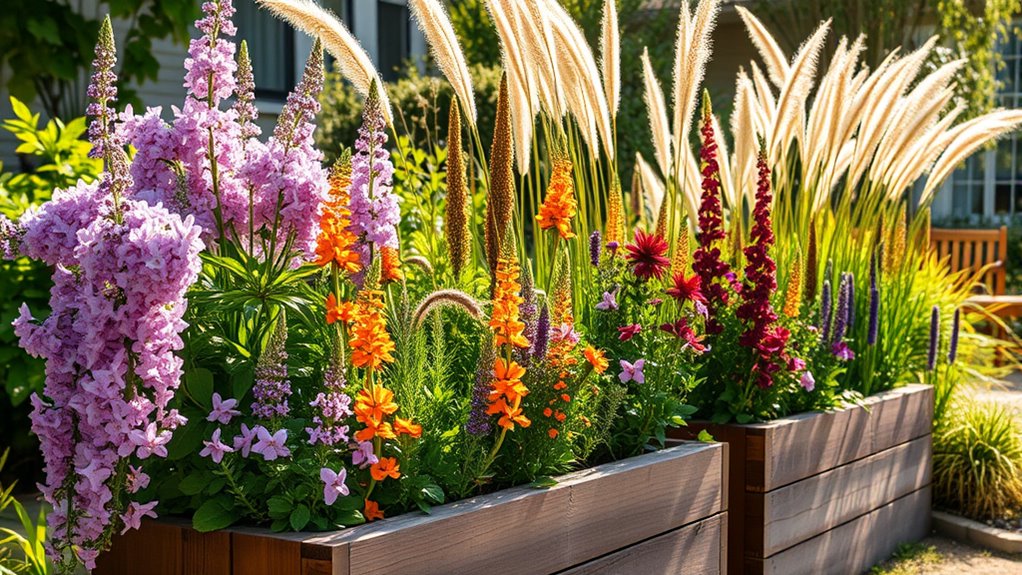
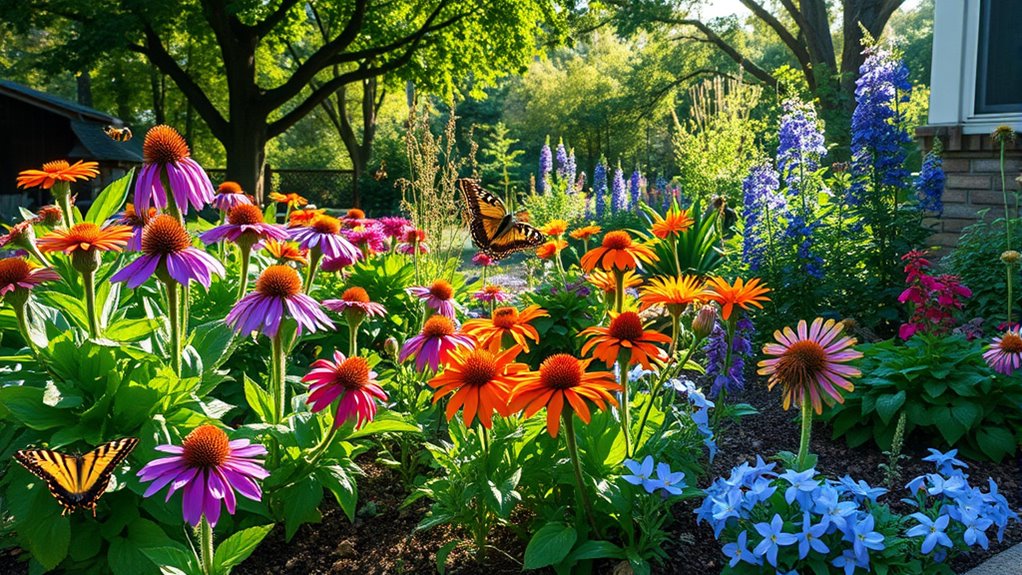
Have you considered using nativars in your home garden? Nativars, or native plant cultivars, are a smart choice that can enhance your garden’s ecosystem while offering beautiful, resilient plants. These cultivated varieties are selected from native species, often bred for specific traits like color, size, or bloom time. They maintain many of the benefits of native plants but can be more adaptable to your garden conditions. They also serve as a reflection of vibrational state, helping to create a harmonious environment in your outdoor space. Incorporating nativars into your landscape can notably improve pollinator attraction since many pollinators prefer plants that are closely related to their native environment. Bees, butterflies, and hummingbirds are naturally drawn to these plants because they provide familiar nectar sources and suitable habitat. By planting nativars, you’re supporting local pollinator populations, which are crucial for the health of your entire garden ecosystem.
Using nativars supports native pollinators and enhances your garden’s resilience and beauty.
In addition to attracting pollinators, nativars contribute positively to soil health. Native plants, including their cultivars, have evolved alongside the local soil and climate, developing deep root systems that help prevent erosion and improve soil structure. Their roots break up compacted soil, increasing aeration and water infiltration, which benefits neighboring plants and promotes overall soil vitality. Moreover, nativars tend to be more resistant to pests and diseases common in your area, reducing the need for chemical interventions that can degrade soil quality over time. As these plants grow and decompose, they return organic matter to the soil, enriching it naturally. Over time, using nativars can lead to a more sustainable garden that requires less supplemental watering and fertilization, further supporting soil health and reducing environmental impact.
Choosing nativars for your garden also means you’re fostering a landscape that’s more resilient to local climate conditions. Since they are adapted to your area’s soil and weather patterns, they often thrive with less maintenance and fewer resources. Their robustness means your garden will be less susceptible to droughts or invasive pests, creating a more stable environment for native wildlife and beneficial insects. This resilience not only saves you time and effort but also ensures that your garden remains vibrant and supportive of local ecosystems year after year.
Ultimately, integrating nativars into your home garden offers a practical way to boost pollinator attraction and improve soil health simultaneously. You get the aesthetic appeal of cultivated plants while contributing to the ecological health of your environment. It’s a win-win situation: a beautiful, thriving garden that’s easier to maintain and more supportive of the native species that keep your local ecosystem balanced. So, next time you plan your garden, consider selecting nativars—you might be surprised how much they can do for your space and the environment around you.
Frequently Asked Questions
How Do Nativars Compare to Native Plants in Attracting Pollinators?
Nativars often attract pollinators nearly as well as native plants because they’re bred to retain key features. However, pollinator preferences vary, and some native plants offer longer flowering durations, providing more consistent food sources. You might find that nativars appeal to certain pollinators, but for the best results, include a mix of native plants and nativars to maximize pollination and support a diverse range of pollinators throughout the season.
Are Nativars Suitable for Container Gardening and Small Spaces?
Nativars are perfect for container gardening and small space design, especially since 80% of pollinators prefer native plants. You’ll find that many nativars thrive in pots, offering vibrant blooms and easy maintenance. Their adaptability makes them ideal for limited spaces, allowing you to create a lush, pollinator-friendly garden without a large yard. With proper care, nativars can transform even the smallest areas into thriving, eco-friendly habitats.
What Are the Best Nativars for Drought-Prone Regions?
In drought-prone regions, you should choose nativars that are drought-resistant varieties like purple coneflowers, black-eyed Susans, and sedums. These plants thrive with minimal watering, especially if you implement efficient watering strategies such as deep, infrequent watering sessions. Mulching helps retain soil moisture, reducing your watering needs further. By selecting these hardy nativars and adopting smart watering practices, you can create a resilient, beautiful garden even in dry conditions.
How Do I Select the Right Nativars for My Specific Soil Type?
Think of your soil as a story waiting to be told. To choose the right nativars, start by understanding your soil’s unique qualities through simple soil tests. Use soil amendments if needed to improve fertility or drainage. When selecting plants, consider criteria like root structure and water needs, ensuring they match your soil’s characteristics. This way, your garden thrives effortlessly, creating a harmonious environment for your native plants.
Can Nativars Be Used Effectively in Urban or Rooftop Gardens?
Yes, you can effectively use nativars in urban or rooftop gardens. They adapt well to vertical gardening setups, maximizing limited space, and often offer pest resistance, reducing the need for chemicals. Choose nativars suited for container growth and consider their sunlight needs. By selecting the right varieties, you’ll create a vibrant, sustainable garden that thrives even in challenging rooftop environments.
Conclusion
Incorporating nativars into your garden not only supports local ecosystems but also boosts biodiversity. Did you know that gardens with native plants attract up to 30% more pollinators? By choosing native variants, you create a vibrant, sustainable space that benefits wildlife and enhances your outdoor experience. So, consider replacing some traditional ornamentals with nativars — your garden will thrive, and so will the pollinators that keep our environment healthy.
Products Worth Considering

Oura Ring 5 Smart Ring, Silver, Size 10

Philips Sonicare 5950 Rechargeable Electric Toothbrush with 2 Brush Heads, Navy

Garmin Forerunner 165 GPS Running Smartwatch, 43 mm, Black
As an affiliate, we earn on qualifying purchases.