To start a pollinator garden without overthinking, pick native plants suited to your climate and soil, focusing on simple, easy-care varieties like milkweed and coneflowers. Group similar plants together and include a mix of tall shrubs and ground covers to add variety and shelter. Keep it small and manageable, avoiding chemicals, and add a shallow water source. Embrace a natural look, and you’ll create a thriving habitat. If you keep exploring, you’ll find even more helpful tips to grow your garden easily.

Turn your quiet moments into listening time
- Thousands of audiobooks, podcasts and originals
- Listen on your phone, tablet or Echo — also offline
- Cancel anytime
Key Takeaways
- Start small by dedicating a corner with native plants suited to your local climate.
- Focus on easy-to-grow, low-maintenance native species like milkweed or coneflowers.
- Group similar plants in clusters to attract pollinators efficiently.
- Avoid chemicals; use organic methods and provide water sources for insects.
- Keep the design simple and natural, allowing native plants to grow freely over time.
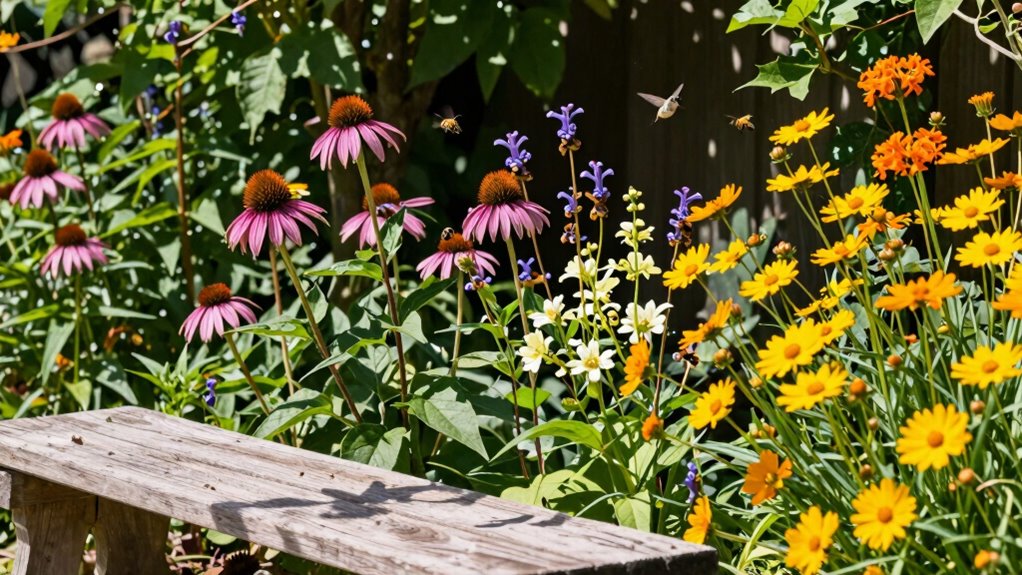
Have you ever felt overwhelmed by the idea of creating a pollinator garden? It’s a common feeling, especially with so many options and details to contemplate. But you don’t need to overthink it. Starting simple and focusing on a few key principles can make the process enjoyable and manageable. One of the best ways to begin is by choosing native plants. These plants are naturally adapted to your local climate and soil, making them easier to care for and more attractive to local pollinators like bees, butterflies, and hummingbirds. Native plants also support the local ecosystem more effectively than non-native species, providing the right nectar and habitat for native pollinators.
When planning your garden design, think about creating a diverse space that offers blooms at different times of the year. This guarantees a continuous food source for pollinators and keeps your garden lively throughout multiple seasons. You don’t need a large area; even a small corner can become a buzzing haven for pollinators. Mix tall, shrub-like plants with shorter flowering ground covers to add variety and shelter. Incorporate native flowering plants such as milkweed, coneflowers, bee balm, and goldenrod, which are known to attract various pollinators. Grouping similar plants together in clusters makes it easier for pollinators to find nectar and pollen efficiently.
Keep your garden design simple and practical. You don’t need elaborate structures or a perfect layout—just focus on creating a welcoming environment. Choose plants that require minimal maintenance and are suited to your local conditions. Avoid chemical pesticides and herbicides, which can harm pollinators. Instead, opt for organic gardening methods and provide water sources like shallow dishes with stones for insects to land on and sip. Additionally, creating habitat diversity in your garden can significantly increase its attractiveness to pollinators by offering different shelter options. Creating a variety of native plants can further enhance the habitat diversity and support a broader range of pollinators.
If you’re worried about the aesthetics, remember that a natural, slightly wild look is often most attractive to pollinators. Let your native plants grow freely and embrace a more relaxed, organic style of gardening. This approach not only reduces your workload but also creates a more authentic habitat. The key is to start small, pick native plants suited for your area, and design with diversity and simplicity in mind. Over time, your garden will flourish into a vibrant, pollinator-friendly space that benefits the environment and brings you joy without the stress of perfection.
Frequently Asked Questions
What Are the Best Native Plants for Pollinator Gardens?
You should focus on native plant selection, choosing plants that naturally thrive in your area. Some top options include milkweed for butterflies, bee balm for bees, and coneflowers for both pollinators. Incorporate a variety of flowering plants that bloom at different times to create a true pollinator-friendly landscape. This approach guarantees your garden attracts and sustains pollinators, making it easier to create a vibrant, thriving space without overthinking it.
How Much Time Does Maintaining a Pollinator Garden Require?
Maintaining a pollinator garden usually takes about an hour a week, depending on your garden size and design. You’ll spend time on garden design to keep it attractive and functional, and pest management to protect your plants naturally. Regular watering, deadheading, and monitoring for pests help keep pollinators happy. With simple routines, you’ll enjoy a thriving garden without feeling overwhelmed, supporting local pollinators effortlessly.
Can I Start a Pollinator Garden in Small Spaces?
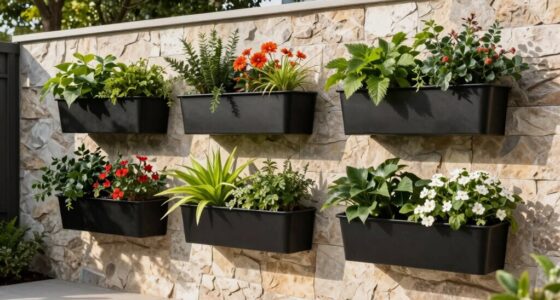
Yes, you can start a pollinator garden in small spaces through urban gardening and container planting. Use pots, window boxes, or small raised beds to grow native flowers and herbs that attract pollinators. Focus on selecting compact, easy-to-maintain plants like lavender, bee balm, or succulents. Even with limited space, your garden can thrive, providing essential habitat for bees, butterflies, and other pollinators while adding beauty to your environment.
Are There Any Specific Tools Needed to Create a Pollinator Garden?
You don’t need a toolkit full of fancy gadgets—just a few key tools. Focus on basic garden design tools like a trowel and gloves, and don’t forget soil preparation essentials like a spade and compost. With these, you can shape your space, improve soil, and plant with purpose. No need to overthink; your pollinator paradise starts with simple steps, not a backpack full of high-tech gear.
How Do I Attract Pollinators Year-Round?
To attract pollinators year-round, choose a diverse mix of plants with seasonal bloom selection, ensuring something is always flowering. Incorporate native plants, which local pollinators prefer, and plant in clusters for visibility. Use pest prevention strategies like healthy soil and natural deterrents to protect your garden. Keep a supply of water and provide shelter, such as bee hotels, to encourage pollinators to stay through all seasons.
Conclusion
Starting a pollinator garden doesn’t have to be overwhelming—you just need to take that first step and keep it simple. Focus on planting native flowers, avoid overcomplicating your choices, and enjoy the process. Remember, Rome wasn’t built in a day, so give yourself grace as you learn and grow your garden. Before you know it, you’ll be reaping the rewards of a thriving haven for pollinators—and having fun along the way!
Products Worth Considering
OMRON Complete 2-in-1 Upper Arm Blood Pressure Monitor with EKG

Therabody Theragun Relief Massage Gun, 3-Speed, Black

Oral-B iO Series 3 Rechargeable Electric Toothbrush for Adults, Black, with 2 Brush Heads and Travel Case
As an affiliate, we earn on qualifying purchases.