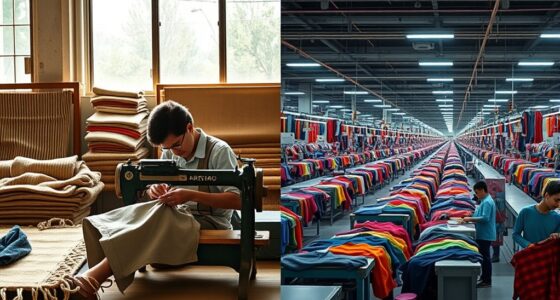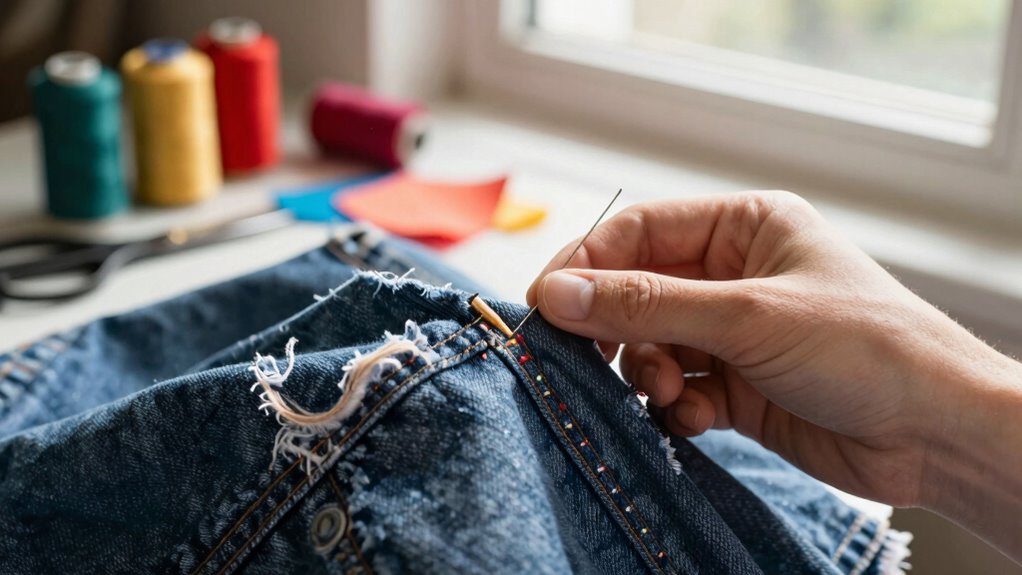

Repairing clothes helps you develop a more mindful relationship with consumption by shifting your focus from wasteful, impulsive buying to caring for and extending what you already own. It encourages you to appreciate quality, be patient, and make sustainable choices that reduce waste and support ethical practices. By fixing garments, you’ll see value in durability and craftsmanship. If you want to explore how this mindset can reshape your habits, there’s more to discover.

Turn your quiet moments into listening time
- Thousands of audiobooks, podcasts and originals
- Listen on your phone, tablet or Echo — also offline
- Cancel anytime
Key Takeaways
- Repairing clothes extends their lifespan, reducing the need for frequent purchases and fostering a more mindful approach to consumption.
- It encourages valuing quality and durability over fast fashion trends, shifting perceptions of clothing’s true worth.
- Engaging in repairs promotes responsibility and ethical awareness regarding garment origins and environmental impact.
- Repairing cultivates creativity and personal expression, making clothing more meaningful and unique.
- It challenges disposable culture, fostering sustainable habits that prioritize longevity and resourcefulness.
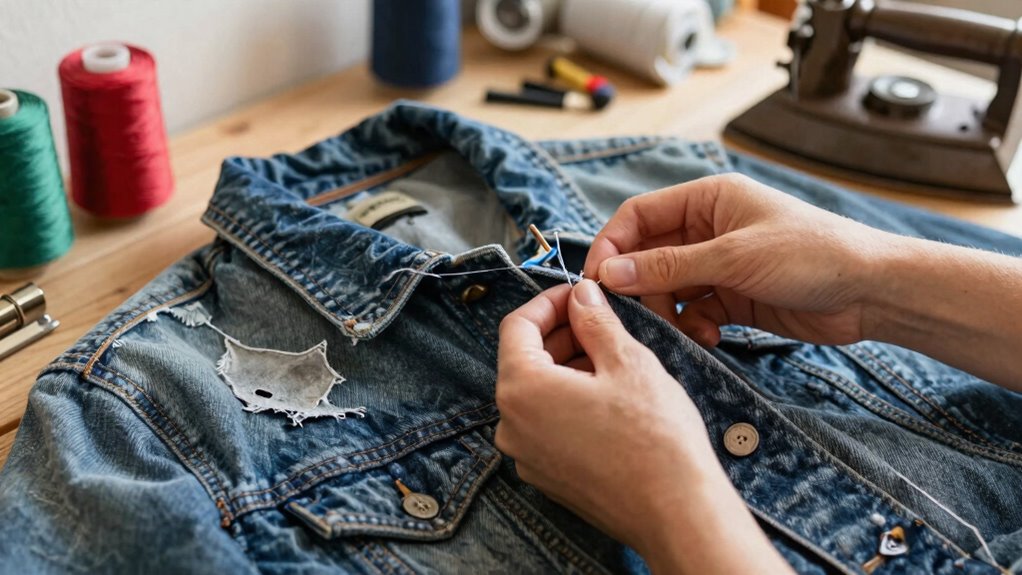
Many people overlook the value of repairing clothes, yet doing so can substantially reduce waste and consumption. When you choose to mend your garments instead of discarding them, you’re making a conscious decision that aligns with sustainable fashion principles. Instead of falling into the cycle of fast fashion, where clothes are cheaply made and easily replaced, repairing encourages a slower, more mindful approach to style. It transforms your relationship with your wardrobe, making it less about constantly buying new items and more about valuing what you already own. This shift not only benefits the environment but also fosters a sense of pride and connection to your clothing.
Repair your clothes to reduce waste, embrace mindful fashion, and deepen your connection to what you already own.
By mending your clothes, you engage in ethical shopping on a deeper level. You become more aware of the origins and lifecycle of your garments, encouraging you to seek out quality pieces that last longer. Repairing is a form of ethical consumption because it reduces the demand for new production, which often involves environmentally harmful practices and labor issues. When you prioritize fixing rather than replacing, you’re supporting a more responsible way of shopping—one that considers the impact on workers, communities, and the planet. This mindset helps you break free from the cycle of impulsive purchases driven by marketing and trends, empowering you to make more thoughtful choices.
The act of repairing also alters your perception of clothing’s value. Instead of viewing your wardrobe as disposable, you start to see it as a collection of meaningful, enduring items. When you sew on a missing button or patch a tear, you’re practicing patience and resourcefulness. These small acts make your clothes last longer, ultimately saving you money and reducing your environmental footprint. Over time, repairing becomes a habit that reinforces your commitment to sustainability and ethical shopping. It encourages you to be more intentional with your purchases, investing in durable pieces and caring for them properly. Additionally, understanding the importance of trusted resources can help you find quality repair services and sustainable clothing options, further supporting your eco-friendly wardrobe. Recognizing the role of color accuracy in maintaining the integrity of your garments can also guide you in choosing fabric dyes and treatments that last longer and retain their vibrancy. Moreover, incorporating eco-friendly materials and techniques during repairs can further enhance your sustainable practices, aligning with natural pool principles that prioritize environmental harmony.
Furthermore, repairing your clothes fosters creativity and personal style. Instead of succumbing to fleeting trends, you can customize and personalize your garments during the repair process. This adds a unique touch that mass-produced items often lack. As you embrace repair, you contribute to a more sustainable fashion ecosystem—one that values longevity, quality, and ethical production. In doing so, you challenge the throwaway culture promoted by fast fashion brands, instead promoting a more mindful, responsible way to consume clothing. This practice aligns with the science behind sound vibrations, which are believed to promote cellular regeneration and overall health, reflecting the importance of nurturing and caring for what you own. Ultimately, repairing your clothes transforms your relationship with consumption, making it more sustainable, ethical, and aligned with your values.
Frequently Asked Questions
How Does Repairing Clothes Impact Environmental Sustainability?
Repairing clothes considerably boosts environmental sustainability by extending clothing longevity and reducing waste. When you mend garments instead of discarding them, you produce less textile waste that ends up in landfills, decreasing pollution. This mindful approach lessens the demand for new clothing production, conserving resources like water and energy. Your actions promote a more sustainable fashion cycle, helping to protect the environment for future generations.
What Are Common Challenges in Learning to Repair Clothes?
You might find that building repair confidence takes time, especially when facing challenges with clothing durability. Common issues include lacking the right tools, knowing where to sew, or understanding fabric types. Sometimes, fear of making things worse holds you back. However, practicing regularly boosts your skills and confidence, making repairs easier. Overcoming these challenges helps you extend your clothes’ lifespan and develop a more mindful approach to consumption.
Can Repairing Clothes Save Money Long-Term?
Yes, repairing clothes can save you money long-term. For example, if you fix a torn pair of jeans instead of replacing them, you extend their wardrobe longevity and avoid new purchase costs. Over time, this habit leads to significant cost savings. Plus, maintaining your clothes reduces waste and encourages a more sustainable approach to consumption, helping you appreciate your wardrobe more deeply and spend less money on new items.
How Does Repairing Clothes Influence Personal Identity?
Repairing clothes influences your personal identity by allowing you to express yourself through your wardrobe. When you fix or alter garments, you personalize them, making your style unique. This act of self-expression reinforces your sense of individuality and self-identity. Instead of discarding items, you showcase your creativity and values, fostering a stronger connection to what you wear. In this way, repairing clothes becomes a reflection of who you are.
What Tools Are Essential for Starting Clothing Repairs?
You need a few key tools to start repairing clothes—sewing essentials and repair kits. First, grab a good needle and matching thread; they’re your primary allies. Then, get scissors, pins, and a seam ripper to handle different fixes. A repair kit with patches, fabric glue, and extra buttons can save time. These tools open up endless possibilities, empowering you to mend, customize, and transform your wardrobe with confidence.
Conclusion
When you mend a torn seam or patch a worn-out jacket, you’re weaving a new story—one where your hands breathe life into old fabric. Each stitch becomes a quiet rebellion against waste, transforming fleeting trends into lasting treasures. As you repair, imagine the threads holding not just fabric, but your values—respect for craftsmanship and the planet. This simple act rewires your relationship with consumption, turning fleeting purchases into meaningful moments of care and connection.
Products Worth Considering
As an affiliate, we earn on qualifying purchases.