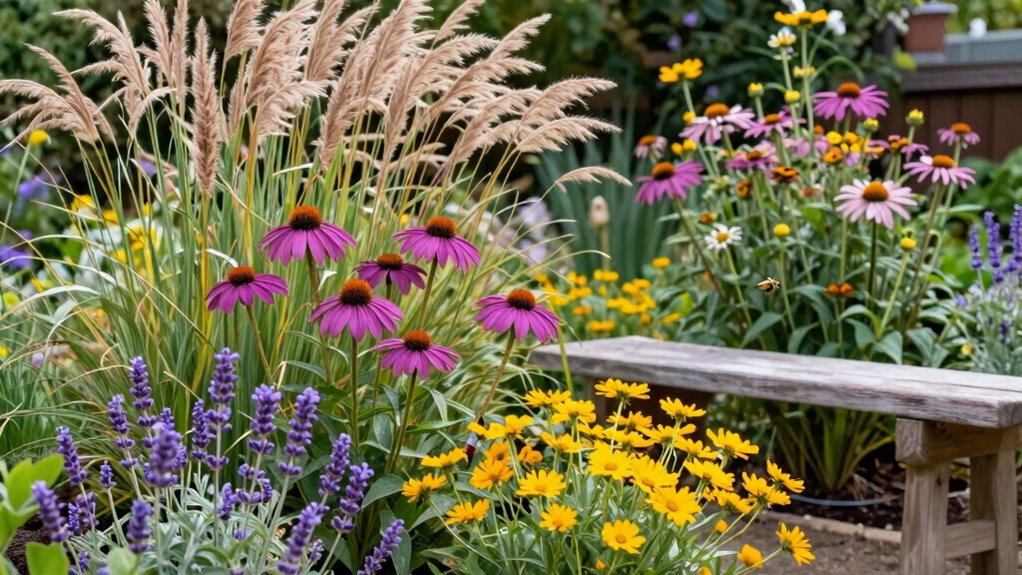

Choosing native planting shows your commitment to sustainability and supporting local ecosystems. It reflects a lifestyle that values biodiversity, low-maintenance beauty, and environmental health. Native plants thrive naturally, requiring less water and chemicals, which reduces your ecological footprint. They also create resilient landscapes that attract pollinators and wildlife. By making native planting a part of your life, you demonstrate care for the environment. Stay with us to discover more about how this simple shift can transform your outdoor space and your impact.
Key Takeaways
- Native planting reflects a commitment to environmental sustainability and supporting local ecosystems.
- It enhances aesthetic appeal with low-maintenance, regionally adapted landscapes.
- Native gardens symbolize community awareness and active participation in land conservation efforts.
- They demonstrate eco-conscious values through reduced water, fertilizer, and pesticide use.
- Native planting serves as a personal and visual statement of eco-friendly living and land stewardship.
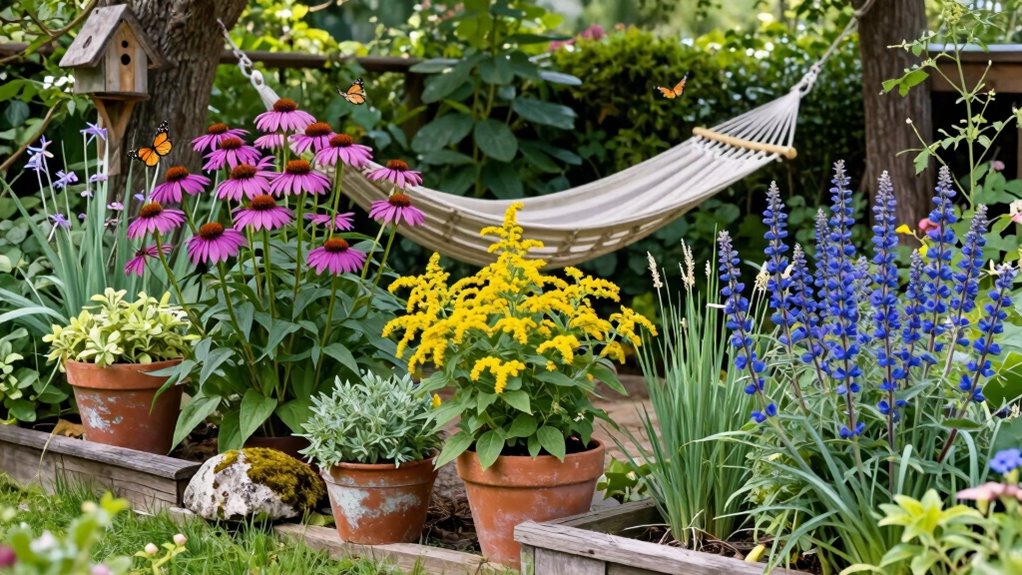
Native planting isn’t just a trend; it’s a bold way to express your commitment to sustainability and local ecosystems. When you choose native plants, you’re making a conscious decision to support pollinator populations, which are vital for healthy ecosystems and food production. By planting species that naturally thrive in your region, you create a habitat that attracts bees, butterflies, and hummingbirds, helping to sustain their populations and promote biodiversity. This approach also encourages a self-sustaining environment, reducing the need for external inputs. This isn’t just about aesthetics; it’s about actively contributing to the wellbeing of your environment.
Native plants support pollinators and promote biodiversity, helping to sustain healthy ecosystems and food production.
Your approach to native planting can also serve as a statement of eco-friendly aesthetics. Instead of relying on high-maintenance, non-native plants that require excessive fertilizers, pesticides, and watering, you create a garden that’s both beautiful and sustainable. Native plants are adapted to your local climate and soil conditions, meaning they require less water and chemical inputs. This reduces your ecological footprint and saves you time and money in the long run. Understanding native plant adaptability can help you select the best species for your yard, ensuring a thriving, low-maintenance landscape. Incorporating native plant resilience**** can further enhance your garden’s ability to withstand pests and diseases naturally. Your garden becomes a reflection of your values—simple, natural, and harmonious with the landscape around you.
As you embrace native planting as a lifestyle choice, you’re also fostering resilience in your yard. Native plants tend to be more resistant to pests and diseases, which means fewer chemical interventions. You’re supporting an ecosystem that’s balanced and self-sustaining, and that’s a powerful declaration about your dedication to environmental health. Over time, your garden transforms into a thriving, low-maintenance space that invites wildlife and provides a peaceful retreat for you.
You’ll find that native planting encourages a deeper connection to your local environment. It’s a way to celebrate the natural beauty of your region and to learn about the native species that have evolved there. This awareness can deepen your appreciation for the land and motivate you to protect and preserve it. Sharing your native garden with neighbors or community groups can inspire others to adopt similar eco-friendly practices, amplifying your impact and fostering a collective movement toward sustainability.
Ultimately, native planting isn’t just about creating a garden—it’s about making a statement. It shows you care about the planet, about pollinators, and about the future of your local ecosystem. It’s a lifestyle that combines beauty, practicality, and purpose, proving that you can enjoy a stunning landscape while making a meaningful difference. Your native garden becomes a living symbol of your values, inspiring others to see that sustainability and style can go hand in hand. Supporting pollinator populations can be achieved more effectively through native planting, as these plants are naturally suited to attract and sustain beneficial insects.
Frequently Asked Questions
How Do Native Plants Impact Local Ecosystems Long-Term?
Native plants boost local ecosystems by enhancing biodiversity benefits and promoting ecological stability. When you choose native species, you support native pollinators, birds, and insects, which thrive and sustain the environment. Over the long term, these plants create resilient landscapes resistant to pests and diseases, reducing the need for chemicals. Your efforts help maintain a balanced, healthy ecosystem, ensuring the environment’s health and beauty for future generations.
Are Native Plants Suitable for Urban Environments?
Native plants are highly suitable for urban environments because of their natural adaptation to local conditions, supporting plant diversity and resilience. They thrive with minimal maintenance, resist pests, and require less water, making them ideal for city landscapes. By choosing native plants, you promote urban adaptation and enhance biodiversity, creating healthier, more sustainable green spaces that benefit both the environment and your community.
What Are Common Beginner Mistakes in Native Planting?
You might make beginner mistakes in native planting by rushing plant selection without considering your garden design. Avoid choosing plants solely based on looks; instead, focus on native species suited to your soil and climate. Overcrowding plants can hinder growth, so give them space. Also, neglecting water needs or planting at the wrong time can cause issues. Take your time, research thoroughly, and plan carefully to make certain a successful native garden.
How Do Native Plants Affect Property Values?
They say, “A picture is worth a thousand words,” and native plants boost your property’s value by enhancing landscaping aesthetics and attracting wildlife. When you incorporate native plants, your yard becomes more appealing and sustainable, drawing in local birds and pollinators. This natural charm can increase curb appeal, making your property more attractive to buyers and potentially raising its market value. Native planting truly transforms your space into a lively, eco-friendly haven.
Can Native Planting Reduce Garden Maintenance Costs?
Yes, native planting can reduce your garden maintenance costs. Native plants are adapted to your local environment, so they require less watering, fertilizers, and pest control, leading to significant cost savings. Their low maintenance nature means you spend less time and money on upkeep. By choosing native plants, you create a sustainable garden that stays healthy and vibrant with minimal effort and expense, making it an economical choice for any homeowner.
Conclusion
So, next time you’re proudly telling everyone about your native plants, remember—they’re more than just a trend. Ironically, by choosing local, you’re resisting the globalized, mass-produced landscape trends. It’s almost funny how planting native species makes a statement about individuality and environmental responsibility, all while blending seamlessly into nature’s original design. Who knew that going back to basics could be such a rebellious act? Embrace it—you’re not just planting, you’re making a lifestyle statement.