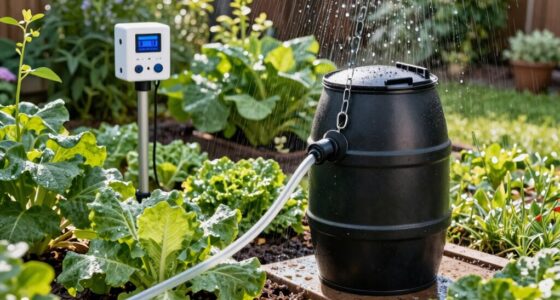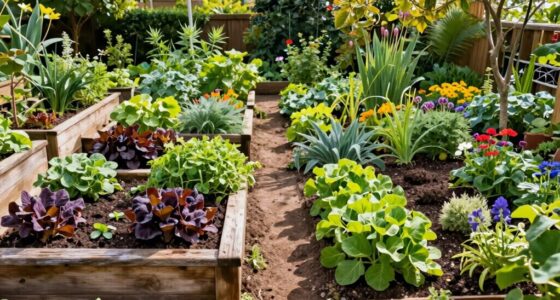

Gardening can profoundly improve your mental health by reducing stress and promoting relaxation through mindfulness and repetitive tasks like digging, watering, and pruning. It boosts your mood with the sense of accomplishment and exposure to sunlight, which increases feel-good chemicals like serotonin and endorphins. Establishing a routine and working with soil helps you stay grounded and present. Sharing your garden with others deepens social connections, fostering emotional resilience and happiness. Keep exploring to find even more ways gardening benefits your well-being.

Turn your quiet moments into listening time
- Thousands of audiobooks, podcasts and originals
- Listen on your phone, tablet or Echo — also offline
- Cancel anytime
Key Takeaways
- Gardening reduces stress by promoting mindfulness and repetitive, meditative motions that lower cortisol levels.
- It boosts mood through physical activity, natural sunlight, and a sense of accomplishment, releasing endorphins.
- Regular gardening creates routine and grounding, fostering stability and a sense of control.
- Sharing gardening experiences enhances social connections, reducing loneliness and supporting emotional resilience.
- Overall, gardening offers a calming, fulfilling activity that improves mental clarity and emotional well-being.

Gardening offers more than just a way to beautify your space; it can also profoundly boost your mental health. When you step into your garden, you’re engaging in an activity that can markedly reduce stress levels. The act of tending to plants requires focus and mindfulness, helping you forget about daily worries and anxieties. As you kneel in the soil or water your plants, your mind shifts away from stressful thoughts, leading to a calmer state of mind. The repetitive motions of digging, planting, and watering serve as a form of meditative practice, calming your nervous system and lowering cortisol levels. Incorporating these physical activities into your routine can further enhance the mental health benefits of gardening.
Moreover, gardening is a natural mood enhancer. The sense of accomplishment you feel when a seed sprouts or a flower blooms can boost your confidence and bring about feelings of joy. This tangible progress triggers the release of endorphins, the body’s natural feel-good chemicals. Plus, being outdoors exposes you to natural sunlight, which increases serotonin production—a neurotransmitter linked to happiness and emotional stability. This combination of physical activity, connection with nature, and achievement can lift your spirits and combat feelings of depression or anxiety.
Engaging regularly in gardening also creates a routine that can provide structure and purpose to your day. When you establish a consistent schedule for watering, pruning, or harvesting, you develop a sense of normalcy and control. This predictability fosters stability, especially during challenging times. Additionally, the tactile experience of working with soil and plants can be grounding. Feeling the earth in your hands helps you stay present, grounding your thoughts and reducing mental chatter that often accompanies stress and anxiety.
Sharing your garden with others enhances these mental health benefits even further. Whether you exchange tips, share harvests, or simply enjoy the beauty together, social interaction can reinforce feelings of connection and support. This sense of community not only elevates your mood but also reduces feelings of loneliness. Over time, as you nurture your garden, you’ll notice a gradual improvement in your overall emotional resilience. Gardening becomes an ongoing source of comfort, a rewarding activity that nurtures both your plants and your mental well-being.
In essence, gardening is a holistic activity that offers a powerful combination of stress reduction and mood enhancement. It provides you with a peaceful retreat where you can reconnect with nature, focus on the present, and find joy in growth and progress. As you cultivate your garden, you’re also cultivating a healthier, happier mind.
Frequently Asked Questions
Can Gardening Help Reduce Symptoms of Depression?
Yes, gardening can help reduce symptoms of depression. Indoor gardening allows you to connect with plants daily, boosting your mood and sense of accomplishment. Participating in community gardening provides social support, fostering friendships and reducing feelings of isolation. Engaging in these activities encourages mindfulness and physical activity, which are proven to improve mental health. So, whether indoors or outdoors, gardening offers a rewarding way to lift your spirits and combat depression.
What Types of Plants Are Best for Mental Health?
You’ll benefit most from indoor plants and aromatherapy herbs, as they boost your mood and reduce stress. Studies show that caring for greenery like lavender, jasmine, or mint can improve mental health by creating calming environments. Indoor plants such as pothos or snake plants are easy to maintain and help purify your space. Incorporating these into your daily routine can elevate your mood and promote relaxation effectively.
How Much Time Should I Spend Gardening Weekly?
You should aim to spend about 3-4 hours weekly gardening to see mental health benefits. Incorporate consistent watering routines to keep plants healthy and engaging. Focus on thoughtful garden design to make your space inviting and stress-relieving. Break your time into manageable sessions, like 30-60 minutes, and enjoy the process. Regularly tending your garden helps reduce anxiety, boost mood, and foster mindfulness.
Are There Specific Gardening Techniques That Boost Relaxation?
Think of gardening as a calming symphony for your mind. To boost relaxation, focus on soil preparation and composting techniques, which ground you in the present. Use gentle, mindful movements while preparing your soil, and incorporate organic composting methods to connect with nature’s cycle. These techniques help you stay present, reduce stress, and turn gardening into a soothing ritual, creating a peaceful oasis for your mental well-being.
Can Gardening Improve Cognitive Function in Older Adults?
Gardening can considerably improve cognitive function in older adults through gardening therapy, which stimulates the brain and enhances memory. By engaging in activities like soil enrichment, you challenge your mind and keep it active. This hands-on approach encourages problem-solving and learning new skills, fostering mental sharpness. Regular gardening not only boosts cognitive health but also provides a sense of accomplishment and purpose, enriching your overall well-being.
Conclusion
As you dig your hands into the soil, you might feel your worries fade away, replaced by a sense of calm. Gardening offers a simple escape from life’s chaos, yet it’s also a powerful way to nurture your mind. Just as flowers bloom with care, your mental well-being blossoms with each moment spent outdoors. So, embrace the dirt beneath your nails—sometimes, the smallest acts bring the greatest peace.
Products Worth Considering

Withings Sleep Under-Mattress Sleep Tracking Pad

LEVOIT Vital 200S-P Smart Air Purifier for Large Rooms

Oral-B iO Series 5 Rechargeable Electric Toothbrush with Travel Case and 3 Brush Heads, Black
As an affiliate, we earn on qualifying purchases.