
TL;DR

Turn your quiet moments into listening time
- Thousands of audiobooks, podcasts and originals
- Listen on your phone, tablet or Echo — also offline
- Cancel anytime
Crystal healing kits are collections of stones and sometimes accessories marketed for meditation, intention-setting, or spiritual practice; there is no standard contents list. People may value them as meaningful objects or calming ritual aids, but reliable scientific evidence does not show that crystals diagnose or treat illness. Check stone identification, treatment and sourcing details, care instructions, and safety before buying or using a kit.
A crystal healing kit has no standard contents list; check the product description and photos before buying.
Traditional meanings and personal rituals can feel significant, but reliable scientific evidence does not show that crystals diagnose or treat illness.
Ask sellers for mineral names, known treatments, and specific sourcing information; price and appearance alone do not prove authenticity.
Choose cleaning methods for the identified mineral, keep small stones away from children and pets, and never place stones directly in drinking water.
Use a crystal as a prompt for reflection if you enjoy it, while keeping medical care and prescribed treatment separate.
What you may find inside a crystal healing kit
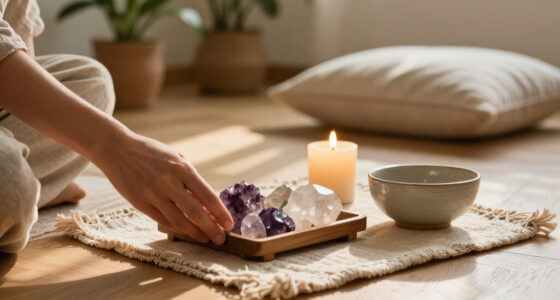
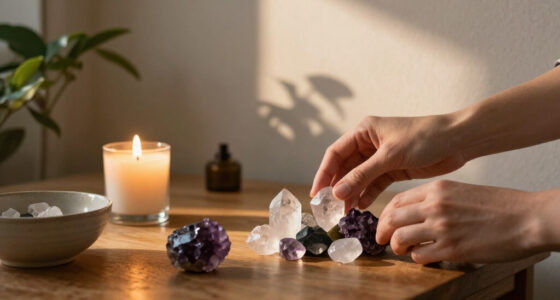
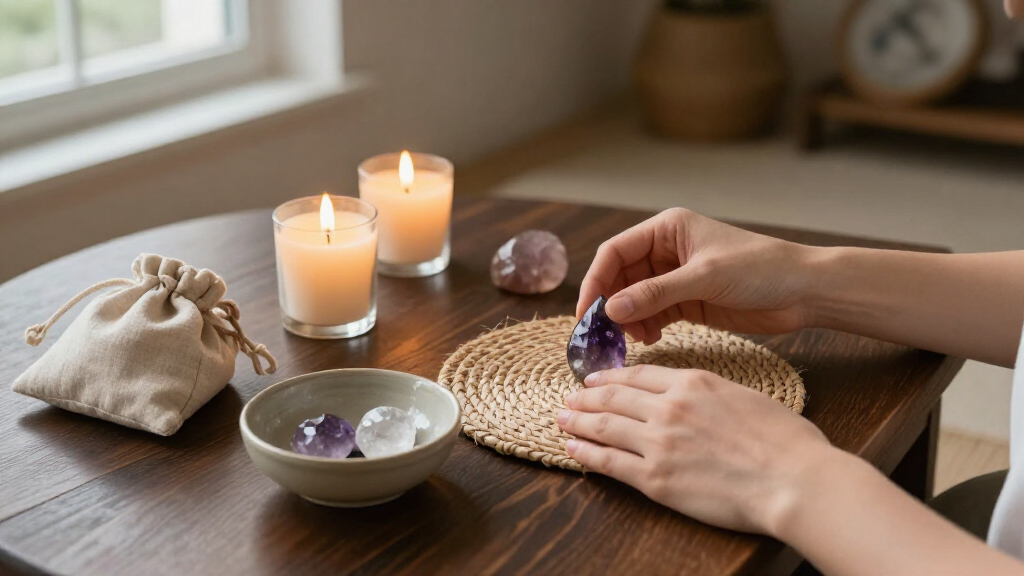
A crystal healing kit is a seller’s bundle of stones marketed for meditation, relaxation, intention-setting, or another spiritual practice; no standard rule says what it must contain. One box may hold four polished stones and a pouch, while another adds a guidebook, a display stand, or a card describing traditional meanings. Read the listing closely, since the word “kit” alone tells you little about size, stone identity, or quality. Common stones include amethyst, rose quartz, clear quartz, and black tourmaline. Sellers may connect them with themes such as calm, love, clarity, or protection. These are **traditional or seller-described associations**, not established medical properties. For example, a person might hold rose quartz during a quiet journaling session because its soft pink color feels comforting. That describes a personal ritual, not a treatment for illness. Think of the kit as a small toolkit for reflection: each item can prompt a different thought, much like a photograph or a favorite song. The value can lie in the moment you make for yourself. But if the listing promises that a stone will cure insomnia or prevent disease, treat that as a health claim and look for sound medical evidence rather than relying on the packaging.What research says about crystal healing claims
Crystal healing kits have no reliable scientific evidence showing that their stones diagnose or treat illness or produce healing effects beyond placebo and the ordinary benefits a person may get from a calming ritual. A polished stone can feel cool and smooth in your palm, and taking a few quiet minutes to breathe or reflect may feel soothing. Those experiences do not establish that a mineral caused a medical change. That difference matters when a seller ties a kit to sleep, focus, pain, or protection from illness. If you buy a “sleep set,” you might enjoy placing amethyst beside a book as part of a wind-down routine, but don’t rely on it to treat persistent insomnia. A **ritual may support reflection**, while a **stone is not a proven treatment**. Keep prescribed care and qualified medical advice in place. A useful way to assess a claim is to ask what the seller means by “healing.” If they mean a symbolic practice that helps you pause and set an intention, that is a personal or spiritual description. If they claim the stones can diagnose, prevent, or treat a condition, ask for reliable evidence from appropriate medical research. Personal stories can matter to the person sharing them, but they do not prove a treatment works for everyone.Use a crystal as a reminder for a practice you value; don’t let it stand in for diagnosis, medication, or medical care.
How to choose a starter kit that suits your practice
A good starter kit is one whose contents, care needs, and seller descriptions are clear enough for you to judge before buying. You don’t need a special medically effective set; choose stones you like and can care for safely. The exact target keyword, **crystal healing kits**, covers a broad range of bundles, so compare the actual product details rather than relying on a theme like “focus” or “protection.”- Check the contents. Look for the number and size of stones, named minerals, and clear photos. A listing that says “five crystals” without naming them leaves you guessing.
- Read treatment disclosures. Ask whether stones are natural, dyed, heat-treated, imitation, or otherwise altered. A seller may not know every detail, but a direct answer is more useful than a vague claim of “100% authentic.”
- Match the instructions to your plans. If you want a desk object, a pouch may be enough. If you want a learning aid, a guide with careful mineral names and care notes may serve you better than broad promises.
- Compare the total value. Price alone doesn’t establish authenticity or effectiveness. Consider stone size, condition, included materials, and whether the description answers your questions.
How to read stone labels and sourcing claims
Clear labeling and specific sourcing details tell you more about a crystal healing kit than words like “rare,” “pure,” or “ethical” on their own. Some stones sold as natural may be dyed, heat-treated, imitations, or mislabeled, and appearance alone may not settle the question. If a specimen has high value, ask a qualified gem or mineral expert instead of treating a product photo as proof.| What the listing says | What to check | Why it helps |
|---|---|---|
| “Natural stone” | Ask for the mineral name and any known treatments. | “Natural” alone may leave treatment or identity unclear. |
| “Ethically sourced” | Look for concrete origin or supplier details. | Broad ethical claims can be hard to verify without specifics. |
| “Genuine crystal” | Compare the stated identity with clear photos and written details. | A seller’s label is a claim, not a guarantee of identification. |
How to use crystals as part of a grounded ritual
You can use crystals as prompts for meditation or intention-setting by pairing them with a simple activity that does not depend on medical promises. A ritual can be as modest as taking one slow breath before writing down a thought. The stone acts like a bookmark for your attention: it reminds you to pause, but it does not need to possess a proven healing power for the moment to feel meaningful.- Choose a stone because you enjoy its color, texture, or traditional symbolism.
- Set it somewhere clean and visible, such as beside your journal or on a shelf.
- Take two or three quiet minutes to reflect, breathe naturally, or write one intention in plain language.
- Notice how the practice feels over time without treating the stone as a diagnostic tool or cure.
How to care for stones without damaging them
The safest care method depends on the specific mineral, so don’t assume water, salt, sunlight, or household cleaners suit every stone. Some minerals can be damaged by moisture, harsh chemicals, or prolonged light, and a kit may contain stones whose identity is uncertain. A quick rinse that seems harmless for one pebble could leave another dull, cracked, or altered. Check reliable, mineral-specific care guidance before cleaning a stone. If you don’t know what it is, use a dry, soft cloth and avoid experimenting with soaking or salt. For example, a collector might wipe dust from a polished stone with a microfiber cloth rather than placing the whole kit in a bowl of water. Keep small stones away from children and pets: they can be choking hazards, and some minerals or coatings may be harmful if swallowed or handled improperly. Avoid making crystal “elixirs” by placing stones directly in drinking water. Some minerals can release harmful substances, dissolve, or be mistaken for safer materials; a stone’s attractive appearance cannot tell you whether it is safe to ingest. If you want a symbolic water ritual, keep stones outside the drinking vessel and follow ordinary food-safety practices. Moonlight or visualization may be meaningful spiritual traditions, but they are not scientifically validated ways to clean or charge a mineral.What to remember before you buy or use a kit
A crystal healing kit can be a pleasant object for reflection, but its usefulness depends on what you want from it and how honestly it is described. One person may enjoy arranging stones on a windowsill and writing in a journal; another may find the seller’s health promises misleading or the care requirements too fussy. Both are reasonable responses. Imagine you’re shopping online for a gift. A clear listing tells you which stones are included, their approximate sizes, known treatments, and basic care needs. You can then decide whether the recipient would enjoy a small pouch of polished stones or prefer a book, plant, or other object. If a listing uses “sleep,” “focus,” or “protection” as a theme, check whether it presents that language as symbolism or as a medical guarantee. Keep three questions in view: **What is actually included? What evidence supports the claims? How will I use and care for these stones safely?** Price does not prove authenticity, and an “ethical” label deserves concrete sourcing information. A kit can still hold personal meaning when you approach it with realistic expectations and make decisions based on its actual materials.Frequently Asked Questions
What is included in a crystal healing kit?
There is no universal contents list. A kit may include polished stones, a pouch, a guidebook, a card, or a small stand, so check the product description and photos for the exact contents.Do crystal healing kits work?
Reliable scientific evidence does not show that crystals diagnose or treat illness or have healing effects beyond placebo and the ordinary benefits of a calming ritual. Some people still value stones as meaningful objects for meditation or reflection.How can I tell whether a crystal is real?
Appearance alone may not be enough to identify a mineral or spot treatments such as dye or heat. Ask the seller for the mineral name and known treatments; for a valuable specimen, consult a qualified gem or mineral expert.Can I put crystals in drinking water or make an elixir?
Do not place stones directly in drinking water. Some minerals may release harmful substances, dissolve, or be mistaken for safer materials, and identification may be uncertain.Can crystals replace medication or medical care?
No. A crystal should not replace diagnosis, treatment, prescribed medication, or professional medical advice. If you have a health concern, speak with a qualified healthcare professional.Are crystal kits safe for children and pets?
Small stones can be choking hazards, and some minerals or coatings may be harmful if swallowed or handled improperly. Keep kits out of reach and check the materials before bringing them into a home with children or pets.Conclusion
Choose a crystal healing kit for the stones, information, and personal practice it actually offers—not for promises of medical results. Check the labels, learn how to care for the minerals, and keep any ritual comfortably in its place. A smooth stone on your desk can be a small reminder to pause; your health decisions still belong with reliable evidence and qualified care.Products Worth Considering

Therabody ThermBack LED 4-in-1 Heated Lower Back Relief Wrap

Garmin Forerunner 255 GPS Running Smartwatch – 46 mm, Slate Gray

Oura Ring 5 Smart Ring – Stealth, Size 11
As an affiliate, we earn on qualifying purchases.