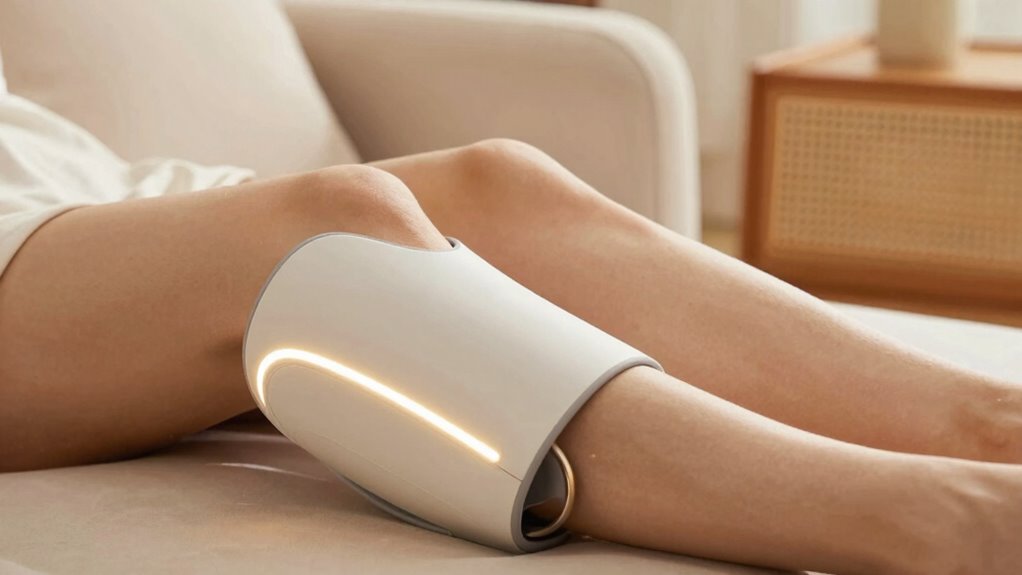

Leg massagers can help promote muscle relaxation, improve blood flow, and reduce fatigue temporarily. They use techniques like gentle compression, kneading, and vibrations to ease tension and support circulation, especially after long periods of sitting or standing. However, they can’t treat underlying health issues like vein problems or blood clots. For a safe and effective approach, it’s best to combine them with a healthy lifestyle and consult healthcare professionals—more details that can help you make informed choices await you.
Open a free Amazon Business account
Business pricing, bulk buying and tax-exempt orders.
As an affiliate, we earn on qualifying purchases.
Key Takeaways
- Leg massagers promote muscle relaxation and improve blood flow, aiding circulation support during daily activities.
- They can alleviate muscle soreness and minor discomfort but do not treat underlying circulation conditions.
- Leg massagers are non-invasive and serve as a supplementary tool, not a replacement for medical diagnosis or treatment.
- They are unsuitable for individuals with blood clots, skin infections, or serious circulation issues without medical consultation.
- Using leg massagers should be part of a holistic health approach, including lifestyle changes and medical advice.
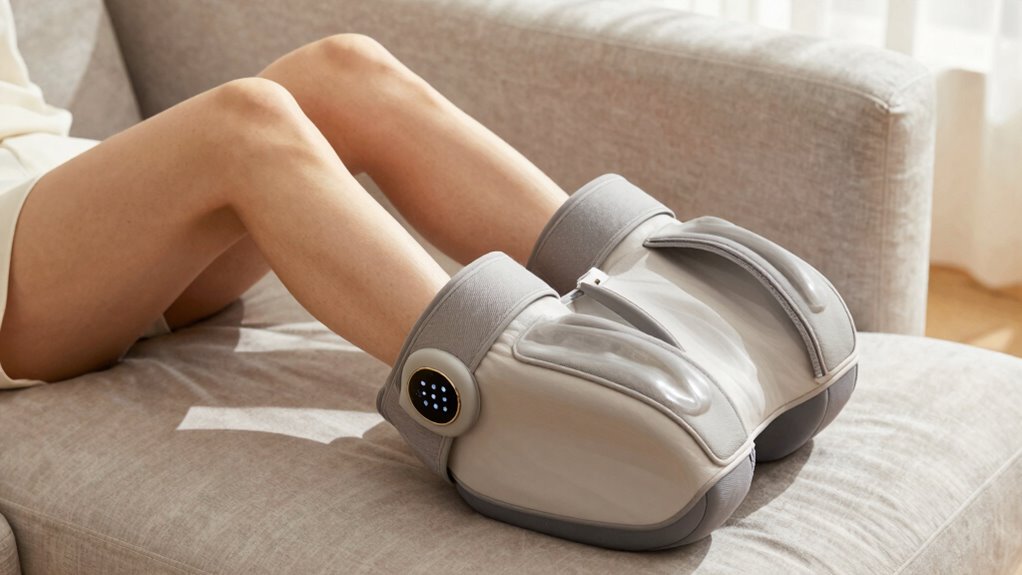
Have you ever wondered how to improve your circulation from the comfort of your own home? If so, you’ve probably considered using a leg massager. These devices can be a convenient way to promote blood flow and relieve discomfort, but it’s important to understand what they can and cannot do. Leg massagers often focus on providing muscle relaxation, which helps ease tension in your legs. When muscles relax, blood can flow more freely, supporting overall circulation. This can be especially helpful if you spend long hours sitting or standing, as it reduces muscle stiffness and promotes a sense of relief. Many massagers use gentle compression, kneading, or vibration techniques to target tired muscles, helping to loosen tightness and reduce the feeling of heaviness. The result is often a feeling of improved comfort and reduced fatigue, making daily activities more manageable.
In terms of pain relief, leg massagers can offer some benefits. By easing muscle tension and promoting better blood flow, they may help diminish soreness and minor discomfort. For people with mild circulation issues or muscle soreness, these devices can be a simple, non-invasive way to find some relief. However, it’s essential to recognize their limits. Leg massagers cannot treat underlying medical conditions such as peripheral artery disease or deep vein thrombosis, which require professional diagnosis and treatment. They also don’t replace physical activity or medical interventions aimed at improving circulation in a more thorough way. Additionally, understanding the limitations of circulation support devices can help set realistic expectations about their benefits. It’s also worth noting that medical guidance is recommended when considering devices for circulation issues to ensure safety and effectiveness.
While leg massagers are effective at promoting muscle relaxation and providing temporary pain relief, they aren’t a cure-all. If your circulation issues stem from health problems, using a massager alone won’t address the root cause. Instead, they should be viewed as supplementary tools to a healthier lifestyle that includes regular movement, a balanced diet, and medical guidance when necessary. Moreover, not all massagers are suitable for everyone. If you have certain health conditions, such as blood clots or skin infections, you should consult your healthcare provider before using one. It’s also helpful to be aware of biodiversity and sustainable living practices, which emphasize the importance of overall health and well-being through environmentally conscious choices. Incorporating environmentally friendly products and practices can contribute to a healthier planet as well as personal health. Understanding the environmental impact of health devices can further guide responsible choices for maintaining well-being.
Frequently Asked Questions
Are Leg Massagers Safe for Pregnant Women?
Leg massagers are generally not safe for pregnant women due to pregnancy safety concerns. You should avoid using them because of massage contraindications that could affect blood flow or cause discomfort. Always consult your healthcare provider before using any massage device during pregnancy. They can advise whether a specific leg massager is safe for your situation or recommend alternative methods to support circulation safely.
How Often Should I Use a Leg Massager for Best Results?
You might find that using your leg massager 3 to 5 times a week offers the best results. Following recommended frequency guidelines and establishing consistent usage routines helps enhance circulation and reduce fatigue. Sometimes, the right balance appears when you listen to your body, adjusting frequency based on comfort and needs. Remember, overuse can lead to discomfort, so moderation and regularity are key to benefiting fully from your leg massager.
Can Leg Massagers Replace Medical Treatment for Circulation Issues?
Leg massagers can’t replace medical treatment for circulation issues. While they can be helpful as home remedies to improve comfort and promote blood flow, you should always seek a medical consultation for proper diagnosis and treatment. Relying solely on a leg massager might overlook underlying health problems. Use them as a supplement, not a substitute, to professional care, especially if symptoms persist or worsen.
Do All Leg Massagers Have Adjustable Intensity Levels?
Not all leg massagers have adjustable intensity levels. Some models offer multiple massage techniques, but they may lack intensity customization, limiting your control over pressure and force. When choosing a leg massager, look for those with adjustable settings so you can personalize your experience. This feature guarantees you can customize the intensity to match your comfort level and needs, making your massage more effective and enjoyable.
Are There Any Side Effects From Using Leg Massagers Regularly?
Using leg massagers is like tending a garden; if you’re cautious, your plants flourish. Regular use might cause potential skin irritation or increase the risk of blood clots if you have underlying conditions. While generally safe, overuse can lead to discomfort or circulation issues. Always follow instructions, avoid excessive sessions, and consult a doctor if you notice adverse effects. Proper care keeps your circulation healthy and your experience positive.
Conclusion
Think of leg massagers as helpful guides on your journey to better circulation—they can lead you toward relief and comfort. While they’re great for easing tension and boosting blood flow, they’re not magic wands that fix underlying health issues. Use them as a supportive tool, like a trusty map along your path, but remember to consult healthcare professionals for deeper concerns. With the right balance, your legs can stay lively and strong, ready to walk your path with ease.
Products Worth Considering
electric leg massager for circulation
As an affiliate, we earn on qualifying purchases.
As an affiliate, we earn on qualifying purchases.