Air purifiers can genuinely support your wellness when you choose the right model and use it correctly. They help reduce airborne allergens, dust, and pollutants, which can improve your comfort and health, especially if you have allergies or asthma. However, they work best alongside other strategies like cleaning, controlling humidity, and good ventilation. If you’re curious about how to maximize their benefits and create a healthier indoor environment, there’s more to explore below.

Turn your quiet moments into listening time
- Thousands of audiobooks, podcasts and originals
- Listen on your phone, tablet or Echo — also offline
- Cancel anytime
Key Takeaways
- Air purifiers effectively improve indoor air quality when properly selected and used, offering tangible health benefits.
- They help reduce allergens like pollen, pet dander, and dust mites, supporting allergy and asthma management.
- Their effectiveness depends on complementary strategies such as cleaning, controlling humidity, and ventilation.
- Proper maintenance and placement are essential for maximum benefits, but purifiers are not a standalone solution.
- When integrated into a broader wellness plan, air purifiers can genuinely enhance indoor comfort and health.
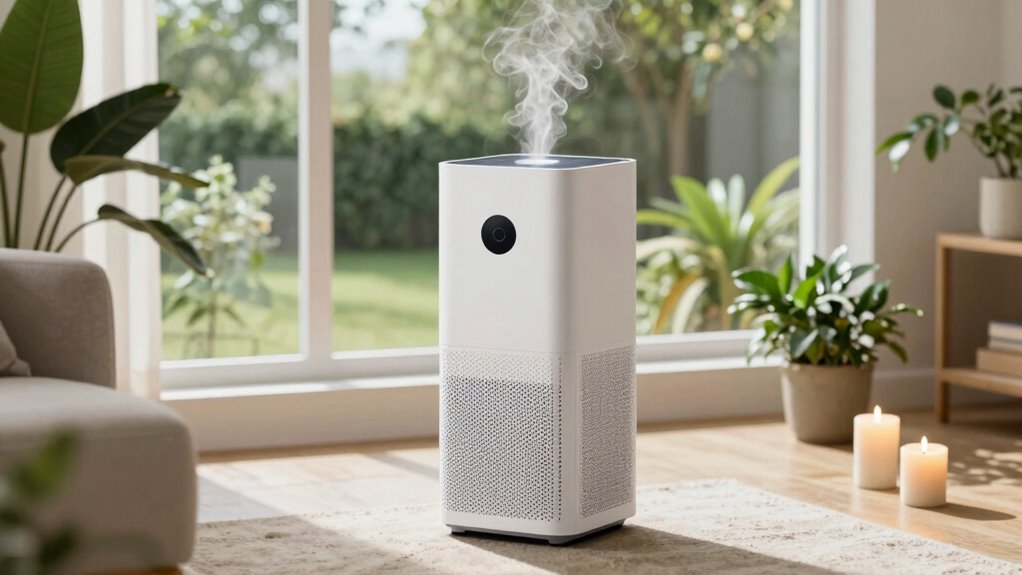
Air purifiers have become essential for promoting wellness, especially as more people seek to improve indoor air quality. You might notice that the air inside your home often feels stale or dusty, which can lead to discomfort and health issues over time. By using an air purifier, you actively remove pollutants, allergens, and other airborne irritants, creating a cleaner environment that benefits your overall health. When it comes to indoor air quality, these devices can make a real difference, especially if you suffer from allergies or asthma. They help capture pollen, pet dander, mold spores, and dust mites, which are common triggers for allergy symptoms. When your indoor air quality improves, you may find relief from sneezing, congestion, and itchy eyes, making your living space more comfortable.
Using an air purifier can help reduce allergens and improve comfort in your home.
You might wonder whether the benefits of air purifiers are just hype or if they genuinely help. The truth is, they do provide tangible improvements—if you choose the right model and use it correctly. High-quality purifiers with HEPA filters are particularly effective at trapping tiny particles that are invisible to the naked eye but can cause significant health issues. These filters are capable of capturing particles as small as 0.3 microns, including many allergens that worsen allergy symptoms. Using an air purifier consistently in your main living areas can help maintain a healthier indoor air environment, especially during allergy seasons or in homes with pets or smokers. Additionally, understanding the role of indoor air quality in overall health can motivate more consistent use of air purification devices. Proper air filtration techniques are essential for maximizing the benefits of these devices. Implementing ventilation strategies can further improve air circulation and reduce pollutant buildup indoors. Incorporating air quality sensors can also help monitor and optimize your home’s air environment in real time.
However, it’s important to understand that air purifiers aren’t a cure-all. They work best as part of a broader strategy to improve your indoor air quality. Regular cleaning and dusting, controlling humidity levels to prevent mold growth, and avoiding indoor smoking are all essential steps. An air purifier can support these efforts by constantly filtering the air you breathe, reducing allergen buildup and airborne irritants. If you suffer from allergies or respiratory issues, investing in a good purifier can provide noticeable relief, helping you breathe easier and sleep better. Keep in mind that some models are better suited for large spaces, while others excel in smaller rooms. Selecting the right device depends on your specific needs, room size, and budget.
In the end, whether air purifiers are just hype or genuinely helpful depends on your expectations and how you use them. When integrated into a comprehensive approach to outdoor and indoor air quality, they can indeed help enhance your wellness. By actively reducing airborne allergens and pollutants, you create a healthier, more comfortable environment that supports your overall well-being.
Frequently Asked Questions
How Do Air Purifiers Specifically Improve Mental Health?
Air purifiers can boost your mental health by improving air quality, which enhances mental clarity and reduces stress. When you breathe cleaner air, your brain gets more oxygen, helping you focus better and think clearly. Additionally, lower levels of indoor pollutants can decrease feelings of anxiety and stress. As a result, using an air purifier creates a healthier environment that supports your overall mental well-being and emotional resilience.
Are There Any Health Risks From Long-Term Use of Air Purifiers?
Long-term use of air purifiers generally improves indoor air quality, but potential risks exist if you don’t choose the right model. Some purifiers can emit chemical emissions from filters or ozone generators, which may cause health issues over time. To minimize risks, select devices with low chemical emissions, guarantee proper maintenance, and use them in well-ventilated spaces. Regularly replacing filters also helps keep air clean and safe.
Can Air Purifiers Effectively Remove All Indoor Pollutants?
Think of an air purifier as a skilled filter that tries to catch all pollutants, but it’s not a magic net. Its filter effectiveness varies depending on the pollutant types—HEPA filters trap particles like dust and pollen, but VOC filters target fumes and gases. While it considerably improves air quality, it can’t remove every pollutant, especially those that are very small or airborne chemically.
Do Air Purifiers Help With Allergies Caused by Pets?
Yes, air purifiers can help with pet allergy symptoms by reducing pet dander and other allergens in your home. They work actively to trap tiny particles that trigger allergies, providing relief. To maximize allergen reduction, choose a purifier with a HEPA filter and place it in common areas. Regular maintenance and cleaning of your space further enhance its effectiveness, making your environment more comfortable for allergy sufferers.
What Are the Environmental Impacts of Manufacturing Air Purifiers?
Manufacturing air purifiers impacts the environment through resource extraction and manufacturing emissions. You might not see it, but the extraction of raw materials like plastics and metals can damage ecosystems and deplete resources. During production, emissions from factories release pollutants into the air, contributing to climate change and air quality issues. Being aware of these impacts helps you make more sustainable choices, like opting for eco-friendly brands or reducing unnecessary consumption.
Conclusion
Ultimately, whether air purifiers truly boost your wellness depends on your environment and needs. For instance, if you live in a city with high pollution levels, investing in a quality purifier can markedly improve your air quality and overall health. However, in cleaner environments, their benefits might be less noticeable. Consider your specific concerns and do thorough research. With the right choice, an air purifier can be a worthwhile addition to your wellness routine, rather than just a hype.
Products Worth Considering
As an affiliate, we earn on qualifying purchases.