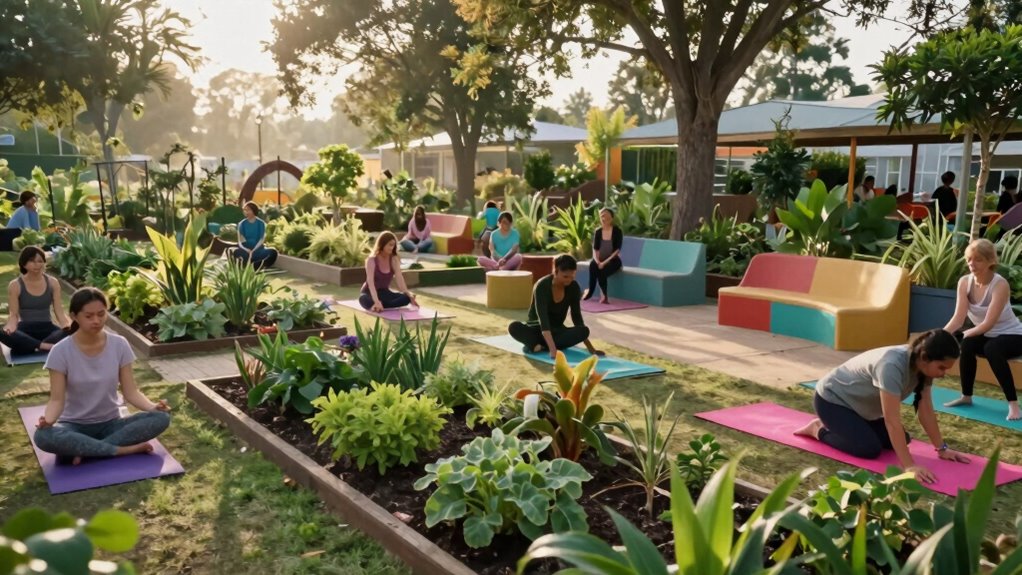

In wellness communities, sharpening your critical thinking helps you question and analyze health info shared by others. It prevents you from accepting unverified claims and guarantees you can tell the difference between science-backed practices and pseudoscience. By evaluating sources and evidence carefully, you make safer, more informed choices. Developing these skills transforms you from a passive listener into an active participant in your health journey. Keep exploring to discover how honing your critical thinking can truly empower your wellness efforts.

Turn your quiet moments into listening time
- Thousands of audiobooks, podcasts and originals
- Listen on your phone, tablet or Echo — also offline
- Cancel anytime
Key Takeaways
- To differentiate evidence-based practices from pseudoscience and prevent the spread of false health claims.
- To critically evaluate information sources and avoid adopting potentially harmful or unverified remedies.
- To integrate scientific reasoning with holistic approaches, enhancing the safety and effectiveness of wellness strategies.
- To identify misinformation and protect community members from health practices lacking scientific support.
- To foster a culture of curiosity and skepticism, enabling informed and rational health decisions.
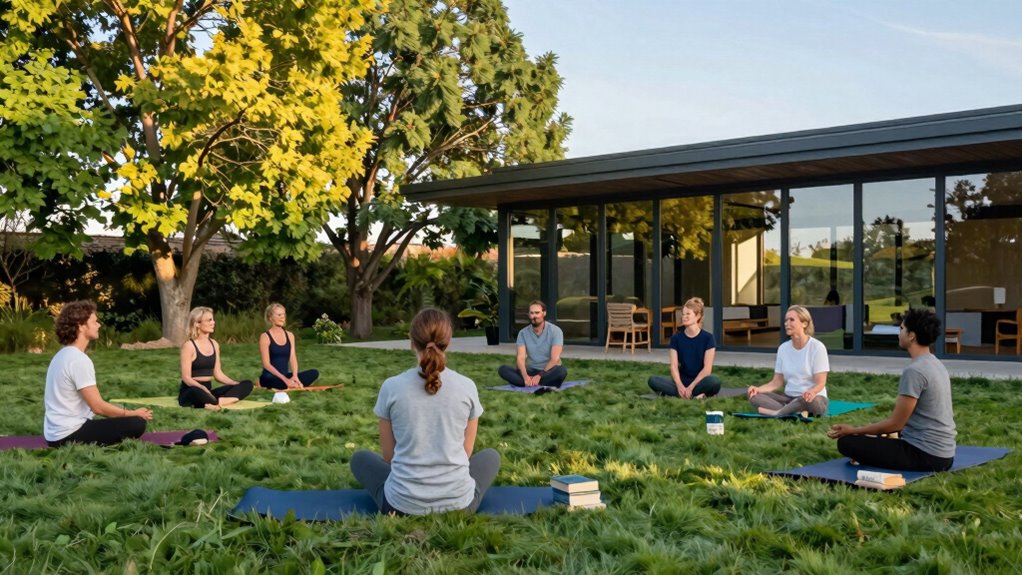
Wellness communities are often praised for fostering support and shared health goals, but their true value lies in encouraging critical thinking. When you participate in these groups, it’s easy to get caught up in the collective enthusiasm for certain health strategies, but it’s essential to question and analyze the information presented. Many wellness communities emphasize mindfulness practices and holistic approaches, which can be incredibly beneficial when understood critically. However, without strong critical thinking skills, you risk accepting ideas at face value, potentially leading to misinformation or ineffective practices.
Mindfulness practices, for example, are widely promoted for reducing stress and increasing awareness. While they are rooted in scientific research, some community members might suggest that mindfulness alone can cure chronic illnesses or replace medical treatment altogether. When you approach these claims critically, you recognize the importance of integrating mindfulness with evidence-based medicine rather than substituting it. This mindset ensures that you don’t dismiss scientific findings or medical advice in favor of unverified claims. Critical thinking helps you evaluate the validity of different approaches, understanding that mindfulness is a tool—not a cure-all.
Critical thinking reveals mindfulness as a helpful tool, not a cure-all, emphasizing the need for evidence-based medical integration.
Holistic approaches, which consider the whole person—body, mind, and spirit—are also common in wellness communities. They often encourage natural remedies, dietary changes, and alternative therapies. While many of these methods have merit, a lack of critical assessment can lead you to adopt practices lacking scientific support or even harmful ones. For instance, some community members might promote detox diets or supplements with dubious safety profiles. By applying critical thinking, you learn to scrutinize the evidence, question sources, and weigh potential risks versus benefits. This process helps you make informed choices that protect your health and well-being.
Developing stronger critical thinking skills within a wellness community doesn’t mean dismissing all alternative practices. Instead, it means approaching every claim with curiosity and skepticism, seeking out reputable sources, and considering scientific consensus. Recognizing the importance of scientific support can help you differentiate between effective methods and pseudoscience. Additionally, understanding the role of contrast ratio and other technical factors can deepen your appreciation for evidence-based information and how it impacts your health choices. Being aware of misinformation in the wellness space enables you to better identify and avoid false claims that can be harmful. Cultivating these skills also involves understanding the influence of confirmation bias, which can lead individuals to favor information that supports their preexisting beliefs rather than objectively evaluating new evidence.
In essence, wellness communities thrive when members balance openness with skepticism. Cultivating critical thinking ensures you’re not just a passive recipient of information but an active participant in your health journey. This mindset empowers you to discern valuable insights from misleading claims, making your pursuit of wellness both smarter and safer.
Frequently Asked Questions
How Can Wellness Communities Measure Critical Thinking Improvements Effectively?
To measure critical thinking improvements, you should use evaluation metrics and assessment tools specifically designed for this purpose. Implement pre- and post-tests to gauge progress, and utilize surveys or reflective journals to capture changes in reasoning skills. Regularly analyze this data to identify trends and areas needing improvement. This approach helps you objectively track development, ensuring your wellness community effectively enhances members’ critical thinking abilities over time.
What Are Common Barriers to Developing Critical Thinking in Wellness Settings?
Think of developing critical thinking like sharpening a blade; mindset barriers and emotional biases dull your edge. In wellness settings, you often face resistance because members cling to familiar beliefs or emotional reactions, making it tough to see new perspectives. These barriers cloud judgment, preventing growth. Overcoming them requires awareness and effort, just like honing a blade, so your community can think more clearly and make better decisions.
How Does Critical Thinking Influence Community Decision-Making?
Critical thinking shapes community decision-making by fostering deeper community engagement and reducing the influence of cognitive biases. When you critically evaluate information, you make more informed choices that reflect shared goals. This approach encourages open dialogue, minimizes misunderstandings, and promotes collaborative solutions. By actively questioning assumptions, you guarantee decisions are thoughtful, inclusive, and effective, ultimately strengthening the wellness community’s ability to address challenges and seize opportunities together.
Are There Specific Training Programs to Enhance Critical Thinking Skills?
Like Athena sharpening her spear, you can find training programs designed to boost critical thinking skills. These programs focus on skill enhancement through workshops, online courses, and seminars, helping you analyze situations more effectively. Many organizations and educational platforms offer tailored training to improve decision-making, problem-solving, and logical reasoning. By engaging in these opportunities, you’ll strengthen your ability to think critically, making better community decisions and fostering a more resilient wellness environment.
How Does Cultural Diversity Impact Critical Thinking in Wellness Communities?
Cultural diversity greatly influences critical thinking in wellness communities by highlighting cultural biases and diversity challenges. You might find that different backgrounds shape how members interpret health beliefs and practices. Recognizing these biases helps you develop more inclusive, effective strategies. Embracing cultural differences encourages open dialogue and broadens perspectives, ultimately strengthening the community’s ability to address diverse needs. This awareness is essential for fostering understanding and improving wellness outcomes.
Conclusion
Imagine a wellness community where critical thinking is second nature—where 70% of members question claims and seek evidence before adopting new practices. By sharpening your critical thinking skills, you can avoid false promises and make smarter health choices. It’s not just about believing everything you hear; it’s about empowering yourself with curiosity and skepticism. When you question more, you protect your well-being and foster a community built on genuine, informed wellness.
Products Worth Considering
evidence-based mindfulness meditation tools
As an affiliate, we earn on qualifying purchases.
As an affiliate, we earn on qualifying purchases.