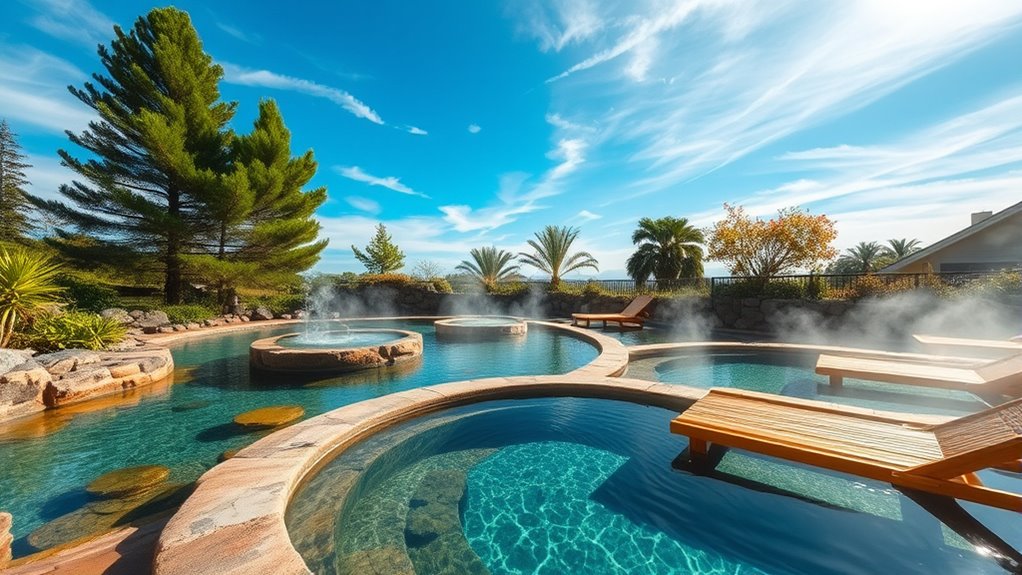

Incorporating hydrotherapy into retreats offers a powerful way to promote relaxation, healing, and revitalization. You can tailor water temperature to meet individual needs—warm water helps ease muscles and improve circulation, while cooler water reduces inflammation and boosts energy. Alternating between hot and cold treatments enhances circulation and supports overall wellbeing. By understanding water’s therapeutic effects, you create a rejuvenating experience. Explore further to discover practical tips on integrating hydrotherapy seamlessly into your retreat programs.

Turn your quiet moments into listening time
- Thousands of audiobooks, podcasts and originals
- Listen on your phone, tablet or Echo — also offline
- Cancel anytime
Key Takeaways
- Design personalized hydrotherapy sessions with adjustable water temperatures to meet individual relaxation and revitalization goals.
- Incorporate contrast hydrotherapy by alternating hot and cold water to enhance circulation and recovery.
- Educate participants on safe temperature practices and body responses to maximize benefits and prevent discomfort.
- Integrate hydrotherapy into wellness programs to promote physical relaxation, mental stress relief, and overall well-being.
- Use guided sessions to ensure proper technique and safety, optimizing therapeutic effects during retreat experiences.
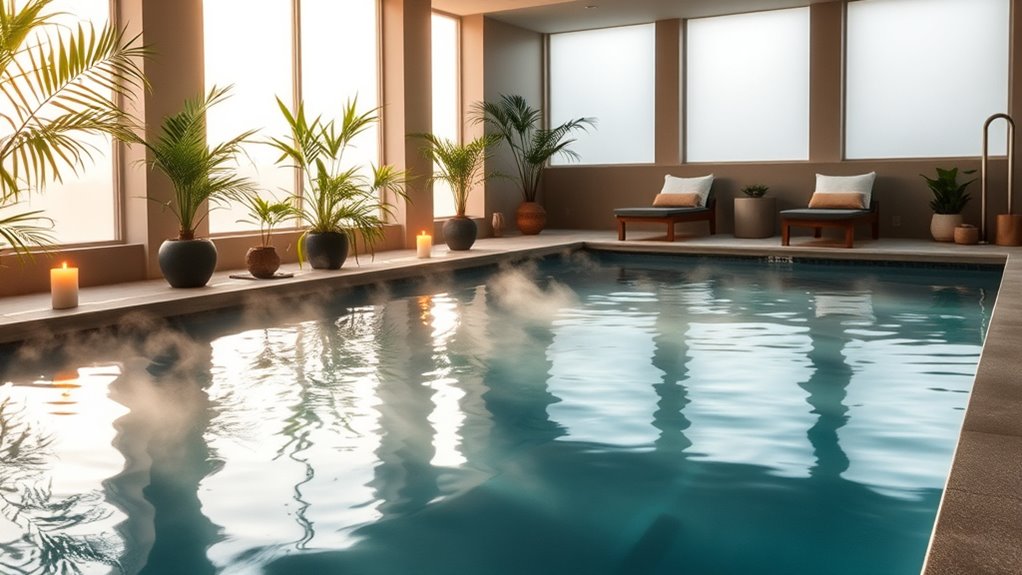
Hydrotherapy has become a popular feature of wellness retreats, offering a natural way to relax, detoxify, and rejuvenate your body. When you step into a hydrotherapy session, one of the first things you notice is the importance of water temperature. The temperature of the water plays a fundamental role in determining the benefits you experience. Warm water, typically between 92 to 98 degrees Fahrenheit, helps relax your muscles, improve circulation, and ease tension. Conversely, cooler water, around 50 to 70 degrees Fahrenheit, can invigorate your body, reduce inflammation, and boost your energy levels. Adjusting the water temperature allows you to tailor the therapy to your specific needs, whether you’re seeking deep relaxation or a revitalizing boost.
Understanding the hydrotherapy benefits linked to water temperature can help you maximize your session. Warm water encourages blood flow to muscles and skin, promoting the release of endorphins, which lift your mood and reduce stress. It also eases joint pain and stiffness, making it ideal if you’re recovering from an injury or dealing with chronic discomfort. On the other hand, cooler water can constrict blood vessels, helping to reduce swelling, soothe sore muscles, and accelerate recovery after physical activity. Alternating between hot and cold water, known as contrast hydrotherapy, amplifies these benefits by stimulating circulation and aiding in detoxification.
Incorporating hydrotherapy into your retreat experience means paying attention to these temperature variations to enhance your overall wellbeing. For instance, a hot tub soak can loosen tight muscles and calm your mind after a long day, while a cold plunge can invigorate you and sharpen your focus. The key is to listen to your body and adjust the water temperature accordingly. Many retreats offer guided sessions where professionals help you navigate these temperature changes safely, ensuring you get the most out of your experience. Additionally, understanding the therapeutic effects of water temperature can help you better appreciate how hydrotherapy supports overall health and recovery.
Beyond comfort, the water temperature also influences the physiological effects of hydrotherapy benefits. Warm water stimulates parasympathetic nervous activity, promoting relaxation and stress relief. Cooler water activates sympathetic responses, improving alertness and reducing fatigue. The combination of these effects can lead to better sleep, improved immune function, and a sense of overall vitality. By understanding and utilizing the different water temperatures during your retreat, you tap into a highly effective natural therapy that supports both your physical and mental health.
Frequently Asked Questions
What Equipment Is Needed for Hydrotherapy Sessions?
You’ll need essential equipment like a quality hydrotherapy tub or pool, adjustable water jets, and temperature controls. Focus on maintaining the right water temperature, typically between 92-98°F, to guarantee comfort and therapeutic benefits. Consider adding supportive accessories like waterproof pillows or mats for relaxation. Proper filtration and sanitation systems are vital to keep the water clean. With these essentials, you create effective, soothing hydrotherapy sessions that promote healing and relaxation.
How Often Should Hydrotherapy Be Included in Retreats?
You should plan hydrotherapy sessions for your retreats 2 to 3 times a week, balancing frequency with session duration to maximize benefits. Consider your guests’ needs and your retreat’s schedule—sessions lasting 20 to 30 minutes often work best. By carefully planning the frequency and session length, you keep your guests engaged and make sure they experience the full healing potential of hydrotherapy without overdoing it.
Are There Any Safety Concerns With Hydrotherapy?
You should always consider Hydrotherapy contraindications and follow Hydrotherapy safety protocols to prevent issues. Be aware of conditions like heart problems, skin infections, or pregnancy, which may make hydrotherapy unsafe for some guests. Always consult with a healthcare professional beforehand, verify proper water temperature, and monitor participants closely during sessions. By prioritizing safety protocols, you can safely incorporate hydrotherapy into your retreats, enhancing guests’ wellness without risking their health.
Can Hydrotherapy Benefit Specific Health Conditions?
Imagine a gentle stream soothing your worries—hydrotherapy can support your journey with specific health conditions by enhancing holistic healing. As an alternative therapy, it may ease pain, improve circulation, and promote relaxation, benefiting those with arthritis, stress, or muscular issues. You might find it offers a natural path to wellness, helping your body heal itself while nurturing your mind and spirit in a tranquil, restorative environment.
What Is the Ideal Temperature for Hydrotherapy Treatments?
You should aim for a water temperature between 92°F and 100°F (33°C to 38°C) for hydrotherapy treatments. This range ensures ideal treatment comfort and effectiveness, helping to relax muscles and improve circulation without causing discomfort. If the water’s too hot, it can lead to overheating or skin irritation, while water that’s too cold may cause discomfort or constrict blood vessels. Always adjust based on individual needs and responses.
Conclusion
Incorporating hydrotherapy into your retreats can markedly boost relaxation and healing. Studies show that 85% of participants report reduced stress after just one session, highlighting its effectiveness. By embracing this natural therapy, you create a transformative experience that nurtures both body and mind. So, consider adding hydrotherapy to your retreat offerings—you’ll provide a powerful, rejuvenating experience that leaves lasting benefits for your guests. Immerse yourself and watch how it elevates your retreat to new heights.
Products Worth Considering
As an affiliate, we earn on qualifying purchases.