

When you reflect on what you’ve learned, you actively reinforce your memory and understandings, making it easier to recall later. Reflection helps you identify gaps and adjust your strategies for better learning. It engages metacognitive skills, turning passive absorption into active mastery. By analyzing your challenges and successes, you build resilience and confidence. Keep exploring—there’s more to discover about how reflection can make your learning stick even better.

Turn your quiet moments into listening time
- Thousands of audiobooks, podcasts and originals
- Listen on your phone, tablet or Echo — also offline
- Cancel anytime
Key Takeaways
- Reflection reinforces neural pathways, aiding the transfer of knowledge from short-term to long-term memory.
- It promotes active engagement, making learning more meaningful and memorable.
- Reflective practices help identify gaps, allowing targeted correction and deeper understanding.
- Journaling encourages critical analysis, strengthening connections between ideas.
- Regular reflection fosters metacognitive awareness, improving learning strategies and retention over time.
Have you ever wondered how much deeper your learning can go when you take the time to reflect? Reflection isn’t just about thinking back; it’s a powerful tool that helps solidify what you’ve learned and makes it stick. When you actively engage in metacognitive strategies, you become more aware of how you learn, what works, and what doesn’t. These strategies encourage you to plan your approach, monitor your progress, and evaluate your understanding. By doing so, you shift from passively absorbing information to actively managing your learning process. This conscious awareness allows you to identify gaps in your knowledge and adapt your methods accordingly, leading to more effective learning.
Reflecting transforms passive learning into active mastery, helping you understand, adapt, and grow more effectively.
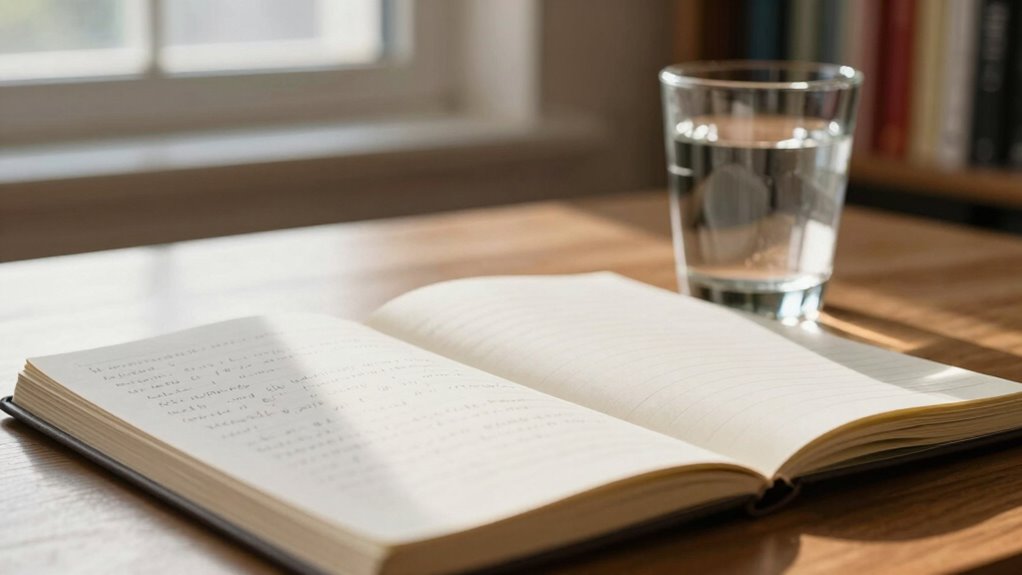
One of the most accessible ways to foster reflection is through reflective journaling. When you write about what you’ve studied or experienced, you clarify your thoughts and deepen your understanding. Journaling prompts you to ask questions like, “What did I find challenging?” or “How did I overcome a particular obstacle?” This process encourages you to analyze your learning process critically, making connections between ideas and identifying patterns. Over time, you develop a habit of self-assessment that enhances your ability to learn independently and efficiently. Incorporating landscaping can serve as an analogy for creating a structured environment that nurtures your growth as a learner, helping to visualize the importance of a well-organized learning space.
Reflection also improves retention because it transforms passive reception into active engagement. When you take the time to process information through reflection, you reinforce neural pathways associated with that knowledge. This mental effort makes it more likely that the material will move from short-term memory into long-term storage. Additionally, reflecting on your mistakes and successes helps build resilience and confidence. You learn to see errors not as failures but as valuable opportunities for growth, which motivates you to keep improving.
Furthermore, reflection sharpens your metacognitive awareness, enabling you to become a more strategic learner. As you become familiar with your strengths and weaknesses, you can tailor your study techniques to suit your needs. This personalized approach makes learning more meaningful and efficient. The act of regularly reflecting, whether through journaling or other methods, cultivates a mindset of continuous improvement. Over time, this mindset transforms the way you approach challenges, making learning a more active, intentional process.
In essence, reflection acts as a bridge between experience and understanding. It turns fleeting moments of study into lasting knowledge by encouraging you to think critically about your learning journey. When you incorporate metacognitive strategies and reflective journaling into your routine, you empower yourself to learn more effectively, ensuring that your efforts yield lasting results. Recognizing the importance of goal tracking can help you maintain focus and measure progress, further reinforcing your learning process.
Frequently Asked Questions
How Often Should I Reflect for Optimal Learning?
You should aim to reflect regularly, ideally after each learning session or at least weekly. Incorporate timing strategies like quick reflections right after studying and more in-depth reflective journaling weekly. This consistent practice helps reinforce lessons, identify gaps, and deepen understanding. By making reflection a routine, you guarantee the learning sticks better, as you actively process and connect new information with existing knowledge.
Can Reflection Replace Traditional Studying Methods?
Reflection can’t fully replace traditional study habits, but it considerably enhances your learning strategies. By actively thinking about what you’ve learned, you deepen understanding and retention. Incorporate reflection into your study routine alongside practices like note-taking and practice tests. This balanced approach improves your overall study habits, making learning more effective and lasting. Reflection complements your methods, helping you grasp concepts better and retain information longer.
What Tools Assist Effective Reflection During Learning?
You can use tools like mind mapping and journaling techniques to assist effective reflection during learning. Mind mapping helps you organize ideas visually, making connections clearer and aiding retention. Journaling allows you to process and analyze what you’ve learned, reinforcing understanding. Both tools encourage active engagement, helping you identify gaps and solidify knowledge. Incorporating these methods into your study routine makes reflection more structured, impactful, and easier to maintain consistently.
How Does Reflection Improve Long-Term Retention?
Reflection supercharges your memory, making learning unforgettable! It boosts metacognitive awareness, helping you understand how you learn best and identify gaps. Plus, emotional processing during reflection cements experiences deeply in your mind. By actively pondering what you’ve learned, you create stronger neural connections, ensuring knowledge sticks long-term. You’ll find yourself recalling information effortlessly, like it’s engraved in stone, because reflection turns fleeting lessons into permanent mental landmarks.
Are There Specific Reflection Techniques for Different Subjects?
Yes, there are subject-specific reflection techniques you can use. For example, in science, you might analyze experiments or hypotheses to deepen understanding. In literature, consider journaling character motivations or themes. Tailored reflection techniques help you connect concepts more personally and critically, enhancing retention. By adapting your reflection methods to each subject, you make learning more meaningful and memorable, ensuring you grasp material more effectively over the long term.
Conclusion
So, are you ready to make your learning truly stick? By taking a moment to reflect on what you’ve learned, you turn passive information into active understanding. Reflection helps you connect ideas, recognize patterns, and solidify knowledge in your mind. Imagine the next time you face a challenge—won’t it be easier if you’ve already thought about similar experiences? Embrace reflection as a powerful tool, and watch your learning transform into lasting wisdom.
Products Worth Considering
As an affiliate, we earn on qualifying purchases.