

Using visualization in sports performance helps you boost confidence, reduce anxiety, and improve focus by mentally rehearsing specific skills and game scenarios. When you vividly imagine successful movements and situations, your brain activates similar regions as actual physical practice, strengthening neural pathways. This mental practice enhances muscle memory, decision-making, and emotional control under pressure. By consistently incorporating visualization techniques, you can set a foundation for consistent improvements—so, explore further to discover more ways to sharpen your performance.
Key Takeaways
- Visualization boosts confidence and reduces anxiety, leading to improved athletic performance.
- It simulates real-game scenarios, enhancing decision-making and strategic thinking during competitions.
- Regular mental imagery reinforces muscle memory and neural pathways, supporting physical skill execution.
- Incorporating sensory details and emotions creates immersive practice, increasing focus and mental preparedness.
- Consistent visualization as part of training improves decision speed, emotional control, and overall athletic resilience.

Visualization is a powerful mental technique athletes use to enhance their sports performance. When you practice visualization, you’re engaging in mental rehearsal that prepares your mind and body for peak performance. This process involves creating vivid mental images of yourself executing skills successfully, which helps build confidence and reduce anxiety before competitions. By incorporating imagery techniques into your routine, you can simulate real-game scenarios, allowing you to anticipate challenges and develop effective responses. This mental preparation can lead to improved focus, faster decision-making, and a more consistent performance under pressure.
Visualization enhances performance by building confidence, reducing anxiety, and simulating game scenarios for better decision-making under pressure.
Using mental rehearsal through visualization allows you to strengthen neural pathways associated with specific movements or strategies. When you vividly imagine yourself performing a perfect serve, a smooth swing, or a precise shot, your brain activates similar regions as it would during actual physical execution. This neural priming makes executing these skills feel more natural and automatic during competition. The more detailed and realistic your imagery techniques, the more your brain learns to recognize and replicate successful actions. As a result, visualization becomes a form of mental conditioning that enhances muscle memory without physical movement.
To get the most out of visualization, you should aim for clarity and sensory richness. Imagine not only what you see but also what you hear, feel, and even smell during your performance. For instance, picture the sound of the ball hitting the racket, the feel of the grip in your hands, or the texture of the court beneath your feet. These sensory details make your mental rehearsal more immersive, strengthening the connection between your mind and body. Consistently practicing this type of imagery techniques can help embed positive mental associations with your skills, reducing doubt and increasing your confidence. Incorporating visualization techniques into your training routine can maximize their benefits and help you attain your athletic goals.
Incorporating visualization into your training routine doesn’t require much time but yields significant benefits. Dedicate a few minutes daily to mentally rehearse key movements or game scenarios. Find a quiet space where you won’t be disturbed, close your eyes, and visualize your success with as much detail as possible. Focus on the emotions you want to experience, like calmness or excitement, to reinforce positive associations. Over time, this mental practice can become a crucial part of your overall training strategy, helping you stay mentally sharp and prepared for any challenge you face on the field or court. Visualization, when paired with physical practice, becomes a powerful tool for elevating your sports performance to new heights.
Frequently Asked Questions
Can Visualization Techniques Be Personalized for Individual Athletes?
Yes, you can personalize visualization techniques for yourself through athlete-specific imagery and personalization strategies. By focusing on your unique strengths, weaknesses, and experiences, you create mental images that resonate deeply, enhancing your performance. Tailoring these visualizations guarantees they reflect your personal goals and scenarios, making the practice more effective. This individualized approach helps you stay motivated, confident, and mentally prepared for competition, ultimately boosting your athletic performance.
How Long Should Each Visualization Session Last?
You should aim for each visualization session to last about 10-15 minutes, as research suggests this duration maximizes focus without fatigue. For example, a professional gymnast might visualize her routine for 12 minutes before training. Focus on consistent duration timing and session frequency—daily or several times a week—to build mental resilience. Keep sessions concise and regular to enhance skill retention and confidence effectively.
Are There Specific Sports Where Visualization Is More Effective?
You’ll find visualization more effective in sports that require intense mental focus and emotional control, like golf, archery, or gymnastics. These sports demand precise mental rehearsal to enhance performance. By visualizing success, you strengthen your mental focus and emotional control, helping you stay calm and focused during competition. This mental practice can boost confidence and reduce anxiety, making visualization a valuable tool across these disciplines.
What Mental Barriers Can Hinder Effective Visualization?
Imagine your mind as a garden, and mental blocks are weeds choking your visualization. Confidence issues can act like thick fog, clouding your mental imagery. These barriers make it hard to focus or believe in your abilities, preventing your mind from creating vivid, effective scenarios. To overcome this, you need to weed out doubts and clear the fog, allowing your mental garden to flourish with clear, powerful visualizations that boost your performance.
How Does Visualization Compare to Physical Practice in Performance?
Visualization often complements physical practice by serving as mental rehearsal, helping you refine skills and build confidence without actual movement. While physical practice develops muscle memory, visualization allows you to mentally prepare and reinforce positive outcomes. You can do both to maximize performance, but visualization is especially useful for confidence building and maintaining focus during breaks or setbacks. Combining these methods provides a balanced approach for ideal results.
Conclusion
By incorporating visualization into your training, you can considerably boost your sports performance. Research shows athletes who visualize effectively improve their skills by up to 30%. When you picture success and rehearse mentally, you build confidence and refine techniques without physical exertion. So, next time you prepare for a game or event, remember that a few minutes of focused visualization can make all the difference in achieving your best. Your mind truly is a powerful tool.
Products Worth Considering
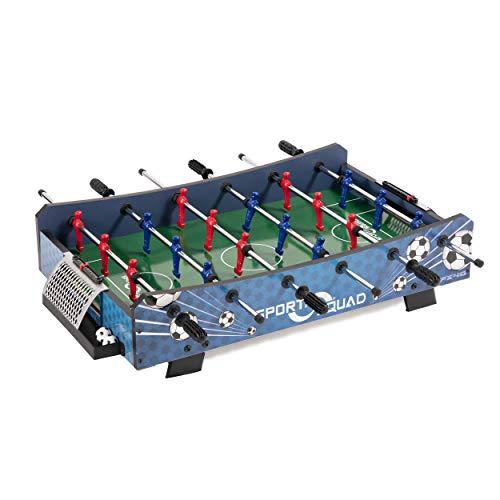
Sport Squad Table Top Foosball Table
- Compact and Portable: 40"L x 20"W x 8"H, 15 lbs
- Pre-assembled Players: Players attached for quick setup
- Durable MDF Construction: Built for competitive play
As an affiliate, we earn on qualifying purchases.