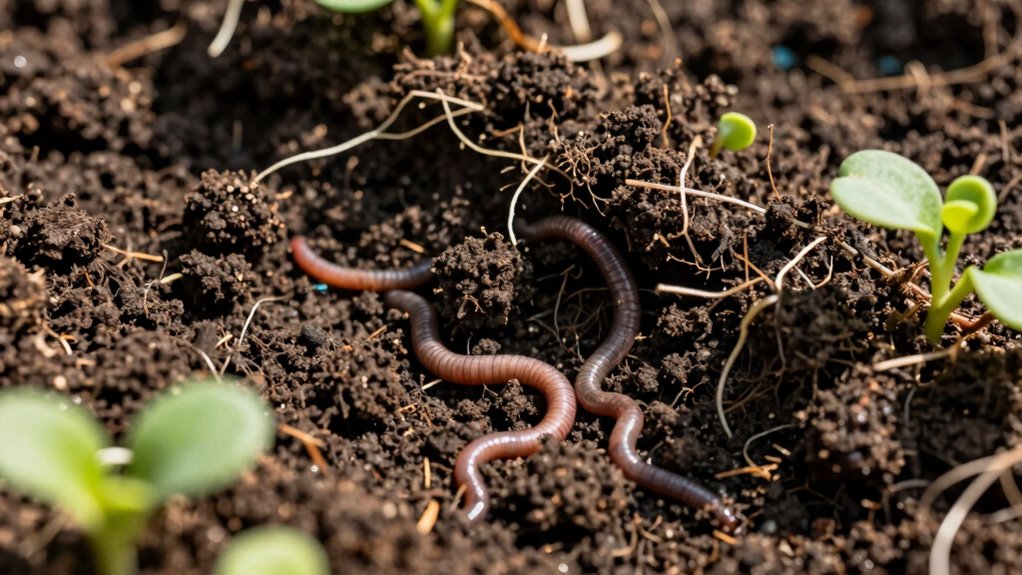

Healthy soil is crucial for your garden’s success because it supports strong, productive plants by improving moisture retention, drainage, and nutrient availability. It helps create a resilient foundation that naturally fights pests and diseases, reducing the need for chemicals. By enriching your soil with organic amendments and fostering beneficial microbes, you’ll promote a thriving ecosystem beneath your plants. Want to discover how to boost your garden’s vigor? Keep exploring to learn more.

Turn your quiet moments into listening time
- Thousands of audiobooks, podcasts and originals
- Listen on your phone, tablet or Echo — also offline
- Cancel anytime
Key Takeaways
- Healthy soil improves plant growth, resilience, and yields, leading to a thriving garden.
- Maintaining soil vitality reduces the need for chemical fertilizers and pesticides.
- Enhancing soil biodiversity naturally suppresses pests and soil-borne diseases.
- Regular soil testing ensures proper nutrient balance for optimal plant health.
- Organic amendments and practices build a sustainable, self-sufficient garden ecosystem.
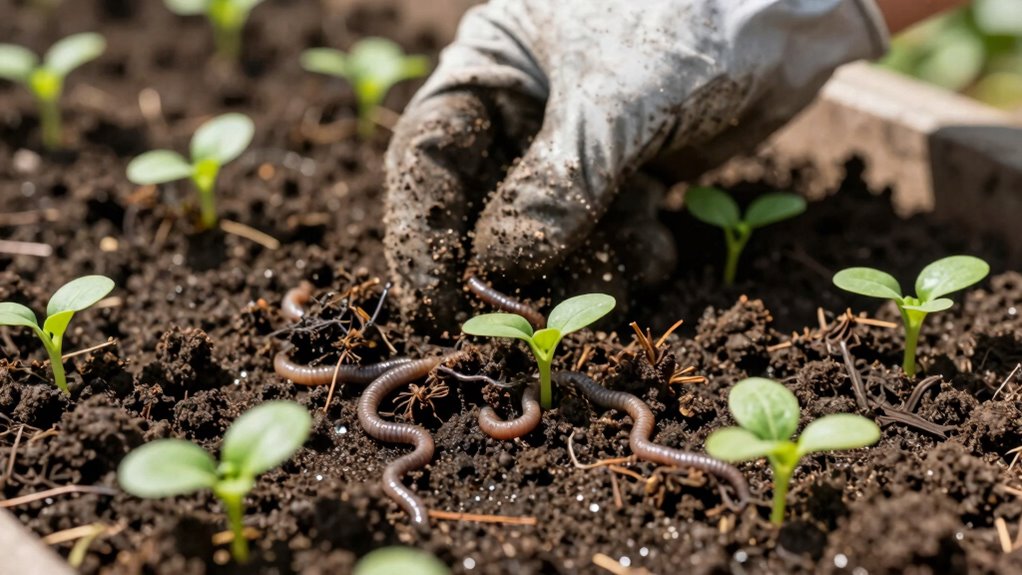
Have you ever wondered why some gardens thrive while others struggle? The secret often lies beneath the surface—in the health of your soil. When you focus on improving soil health, you’re not just making your garden look better; you’re setting it up for long-term success. One of the simplest ways to do this is by incorporating organic amendments. These natural additions, like compost, aged manure, or cover crops, enrich your soil with essential nutrients and foster a healthy environment for roots to grow strong. Organic amendments also boost soil structure, helping it retain moisture and drain properly, which is crucial for plants to thrive. By consistently adding these amendments, you create a resilient foundation that supports vigorous plant growth and reduces the need for chemical fertilizers. Additionally, promoting soil microbial activity enhances nutrient cycling and plant health, further strengthening your garden’s foundation. Supporting soil biodiversity is also vital, as it encourages a thriving ecosystem that naturally sustains plant health. A balanced ecosystem also helps suppress soil-borne diseases and harmful pests naturally. Incorporating practices like crop rotation and cover cropping can further enhance this soil ecosystem, creating a healthier environment beneath your plants.
Healthy soil with organic amendments fosters strong roots and vibrant, resilient plants.
But healthy soil isn’t just about feeding your plants; it’s also about managing pests effectively. Pest management becomes much easier when your soil is balanced and teeming with beneficial microorganisms. When your soil is healthy, plants are more resistant to pests and diseases because they’re stronger and better equipped to defend themselves. This natural resilience means you’ll rely less on chemical controls, which can harm beneficial insects and disrupt soil ecosystems. Instead, healthy soil encourages natural pest predators and beneficial microbes that suppress harmful pests. Incorporating organic amendments regularly helps maintain this delicate balance, discouraging pest outbreaks before they become a problem.
You also need to pay attention to soil pH and nutrient levels, which influence how well your plants absorb nutrients. Testing your soil helps you determine what amendments are needed to correct deficiencies or imbalances. When you make adjustments based on these tests, you’re ensuring your plants get exactly what they need to flourish. This proactive approach minimizes stress on the plants, making them less attractive to pests and less prone to disease. Furthermore, a well-maintained soil ecosystem supports the growth of mycorrhizal fungi and other beneficial organisms that naturally improve nutrient uptake, creating a self-sustaining cycle of health. Regular soil testing and amendment adjustments are key to maintaining optimal growing conditions.
Frequently Asked Questions
How Often Should I Test My Garden Soil?
You should test your garden soil at least once a year, ideally in early spring before planting. Regular soil testing helps you understand the nutrient balance and identify deficiencies or excesses. If you’re making major changes to your garden or experiencing poor plant growth, test more frequently. Maintaining proper nutrient levels guarantees healthy plants and productive harvests, making soil testing an essential step for every home gardener.
Can Soil Health Improve Naturally Over Time?
Yes, soil health can improve naturally over time. You can support this process by nurturing the soil microbiome with organic matter buildup, such as compost and mulch, which feeds beneficial microbes. As these microbes flourish, they’ll enhance nutrient cycling and soil structure. Consistently adding organic matter and avoiding chemical disturbances allows your soil to recover and become more resilient, leading to healthier plants and a thriving garden ecosystem.
What Are Common Signs of Poor Soil Health?
You might notice poor soil health through signs like soil compaction, which makes it hard for roots to grow and water to drain properly. Nutrient depletion can cause plants to look weak, with yellowing leaves or stunted growth. Additionally, you may see a lack of earthworms or other beneficial creatures. These signs indicate your soil needs attention to restore its robustness and support healthy plant development.
Does Soil Health Affect Plant Disease Resistance?
Think of your soil microbiome as a vigilant guardian, silently defending your plants. Healthy soil boosts disease resistance by fostering beneficial microbes that suppress harmful pathogens. When soil health declines, this natural shield weakens, leaving your plants vulnerable. By nurturing your soil’s importance, you empower your garden’s immune system, making it more resilient against plant diseases. So, caring for soil isn’t just about nutrients; it’s about safeguarding your entire garden ecosystem.
Are Organic Fertilizers Better for Soil Health?
Yes, organic fertilizers are better for soil health because they boost organic amendments and enhance microbial diversity. When you use organic options, you feed beneficial microbes that improve soil structure and nutrient availability. This creates a healthier environment for your plants, making them more resilient to pests and diseases. By choosing organic fertilizers, you’re supporting a sustainable, vibrant ecosystem right in your garden, leading to better, more productive plants.
Conclusion
By caring for your soil, you’re nurturing a living foundation that supports your garden’s growth, much like a gardener tending to a delicate yet resilient plant. Healthy soil is the secret ingredient that transforms a simple patch of earth into a thriving oasis. When you prioritize soil health, you’re not just growing plants—you’re cultivating a sustainable, vibrant garden that rewards your efforts season after season. So, get your hands dirty and watch your garden flourish like a refreshing gust.
Products Worth Considering
As an affiliate, we earn on qualifying purchases.