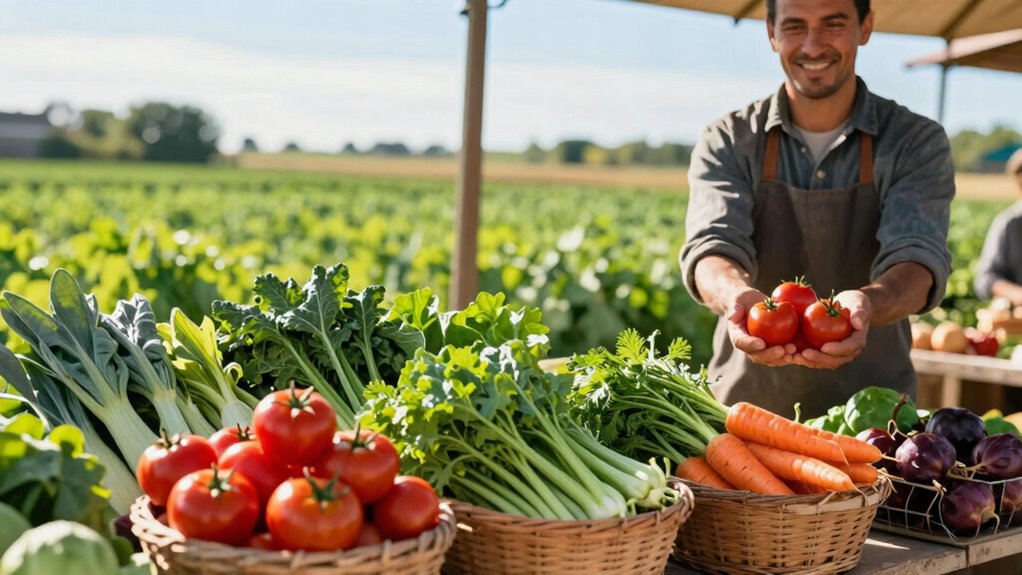

Choosing local food supports your wellness by providing fresher, nutrient-rich produce that promotes better health and flavor. It also benefits sustainability by reducing transportation emissions, conserving resources, and lowering packaging waste. Supporting urban agriculture encourages biodiversity and sustainable land use. Together, these choices strengthen community resilience and help combat climate change. If you want to know how to make food choices that are both good for you and the planet, keep exploring these ideas.

Turn your quiet moments into listening time
- Thousands of audiobooks, podcasts and originals
- Listen on your phone, tablet or Echo — also offline
- Cancel anytime
Key Takeaways
- Local food is fresher and more nutritious, supporting better health and wellness through peak harvest quality.
- Supporting local agriculture reduces transportation emissions, contributing to environmental sustainability and climate change mitigation.
- Urban farming and community initiatives promote biodiversity, sustainable land use, and resilient food systems.
- Consuming seasonal, locally grown produce minimizes packaging waste and chemical use, benefiting the environment.
- Engaging in local food systems fosters community resilience and strengthens connections with sustainable growers.
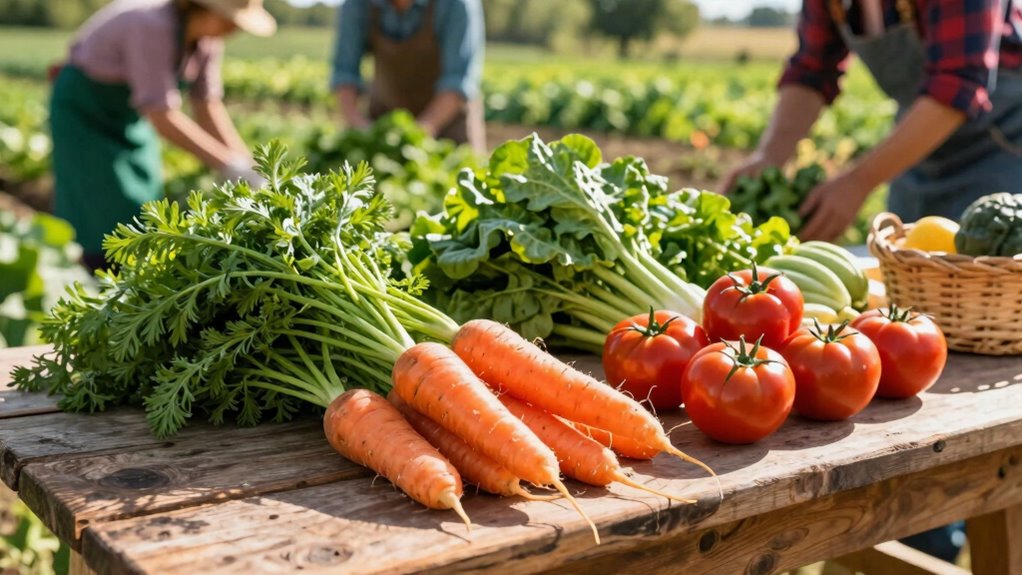
Have you ever wondered how supporting local food can boost your wellness and protect the environment? When you choose farm-to-table options, you’re directly connecting with the people who grow your food. This practice not only ensures fresher, more nutritious meals but also reduces the carbon footprint associated with long-distance food transportation. By prioritizing local produce, you’re helping to lower greenhouse gas emissions, conserve energy, and diminish packaging waste. It’s a simple way to eat healthier while making a positive impact on the planet.
Urban agriculture plays a significant role in this movement, bringing food production closer to where you live. Community gardens, rooftop farms, and small urban farms make fresh, healthy foods accessible within city environments. This not only supports local economies but also reduces the need for large-scale industrial farming, which often involves heavy chemical use, soil degradation, and water pollution. Urban agriculture fosters sustainable land use and promotes biodiversity within concrete-dense areas, making cities greener and healthier for everyone. Incorporating sustainable land use practices in urban agriculture can further enhance environmental benefits.
Supporting local food also benefits your wellness in tangible ways. When you buy from nearby farms or urban agriculture projects, you typically get produce that’s harvested at peak ripeness. This means more nutrients, better flavor, and fewer preservatives or additives. Eating seasonal, locally grown foods can boost your immune system and improve your overall health. Plus, knowing where your food comes from and how it’s grown adds a layer of mindfulness to your eating habits, encouraging you to make more intentional choices.
Eating local, seasonal foods boosts nutrients, flavor, and mindfulness for healthier, more intentional choices.
Getting involved in farm-to-table practices or urban agriculture initiatives can deepen your connection to your community. You may find yourself visiting farmers’ markets, joining CSA (Community Supported Agriculture) programs, or even volunteering at local farms. These activities foster relationships with growers who prioritize sustainable practices, such as organic farming or regenerative agriculture. In turn, you support a system that values environmental health and community well-being over profit-driven monocultures. Supporting urban agriculture can also help mitigate the effects of climate change by promoting local resilience and reducing transportation emissions. Engaging with local food systems can empower communities to withstand disruptions in global supply chains. Additionally, integrating urban farming methods into city planning can create more resilient and sustainable urban environments. In doing so, you’re not only nourishing yourself but also safeguarding the planet for future generations. That’s the true power of supporting local food — it’s a win for your wellness and for the Earth.
Frequently Asked Questions
How Does Local Food Impact Local Economies?
You support your local economy when you buy local food, as it encourages farmer collaborations and keeps money circulating within your community. By shopping at local markets, you improve market accessibility, making fresh produce available to more people. This boosts local employment, strengthens small farms, and fosters economic resilience. Your choices help sustain local businesses and promote a vibrant, self-sufficient community, benefiting everyone involved.
Are Local Foods More Affordable Than Imported Options?
You might find local foods more affordable during their peak seasons because of better seasonal availability and lower transportation costs. For example, a farmer’s market in summer offers fresh tomatoes at a lower price than imported varieties out of season. Price comparison shows local produce often costs less when in season, making it a budget-friendly choice. Plus, supporting local reduces shipping expenses, keeping prices down for consumers.
What Are Common Challenges in Sourcing Local Food?
You might face challenges like seasonal availability, which limits certain foods to specific times of the year, making year-round sourcing tough. Supply chain logistics can also pose issues, as local producers might be distant or have limited infrastructure, leading to delays or higher costs. These factors require you to plan carefully, build strong relationships with local farmers, and be flexible with your menu or offerings to guarantee consistent access to fresh, local foods.
How Can Consumers Identify Genuinely Local Products?
To identify genuinely local products, look for signs like seasonal availability and farm-to-table labels. Ask vendors about their sourcing practices and where the food comes from, as transparency is key. Visit farmers’ markets or join local CSA programs, which often prioritize local, seasonal produce. By staying informed about farm-to-table logistics, you can confidently choose products that truly support local farmers and sustainability efforts.
Does Eating Local Food Reduce Food Waste?
Yes, eating local food can reduce food waste. You might not realize it, but by choosing local, you help improve supply chain efficiency, which minimizes excess and spoilage. This streamlined process guarantees fresher produce reaches you faster, decreasing the likelihood of waste. When food travels less and moves quickly, less gets thrown out—making your choices both environmentally friendly and a smarter way to support sustainability.
Conclusion
By choosing local food, you’re not just supporting your health and the planet—you’re fueling a movement that can transform communities into thriving, sustainable hubs. Imagine your efforts creating ripples so powerful they can turn the tide against environmental destruction and malnutrition. Every bite you take connects you to a brighter, greener future, making your choices feel like planting seeds for a world where wellness and sustainability blossom side by side. Your food choices truly have the power to change everything.
Products Worth Considering
As an affiliate, we earn on qualifying purchases.