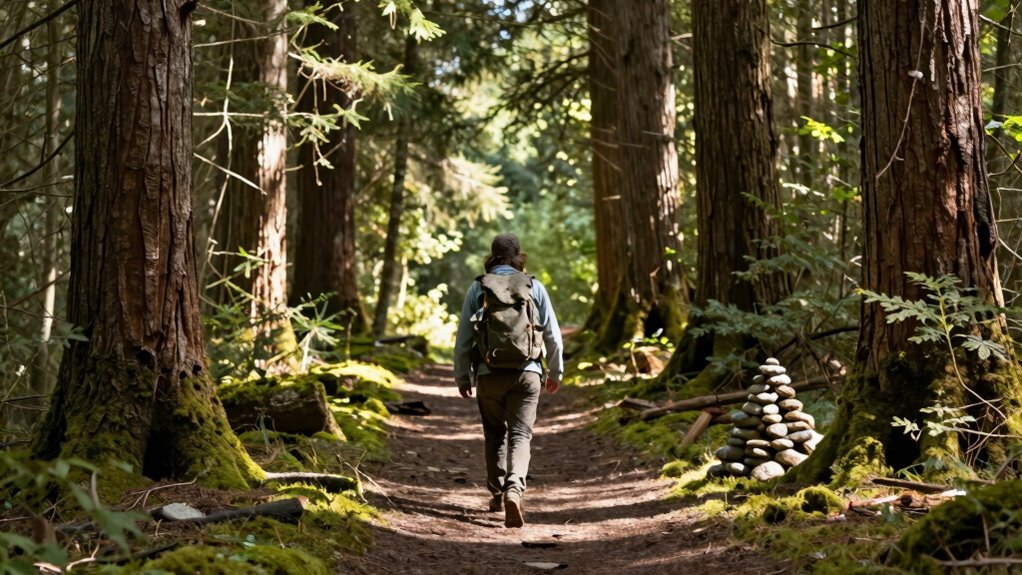

A realistic pace for lasting change is to make small, steady adjustments over time instead of trying to overhaul everything at once. Focus on consistent habits, like adding one healthy meal or small task daily, rather than radical shifts. Flexibility is key—expect setbacks and view them as part of the process. Keep showing up, celebrate small victories, and with patience, you’ll build sustainable progress. If you keep going, you’ll discover how these gradual steps lead to meaningful, long-term results.

Turn your quiet moments into listening time
- Thousands of audiobooks, podcasts and originals
- Listen on your phone, tablet or Echo — also offline
- Cancel anytime
Key Takeaways
- Maintain a manageable daily or weekly effort to prevent burnout and ensure sustainability.
- Focus on small, consistent adjustments rather than radical, immediate changes.
- Allow room for setbacks, viewing them as opportunities to adapt rather than fail.
- Track progress regularly and celebrate small victories to reinforce ongoing effort.
- Cultivate patience and resilience, understanding that meaningful change takes time.

Change often feels overwhelming when you try to do too much at once, but setting a realistic pace makes it sustainable. When you aim for lasting change, it’s essential to focus on behavior consistency rather than trying to overhaul everything overnight. Small, steady adjustments build momentum and create habits that stick. If you push too hard too quickly, you risk burnout or slipping back into old patterns. Instead, embrace gradual progression, allowing your new behaviors to become part of your routine naturally. This approach reduces frustration and increases your chances of long-term success.
Focus on steady, manageable changes to build lasting habits and avoid burnout.
By committing to consistent effort, you reinforce your new habits daily. It’s better to make small, manageable changes that you can maintain over time than to attempt radical shifts that feel impossible to sustain. For example, if you want to improve your diet, start by adding one healthy meal a day rather than overhauling your entire menu at once. Over time, these small changes will compound, leading to significant progress without feeling overwhelming. The key is to remain patient and trust that consistent, incremental steps lead to meaningful transformation.
Gradual progression also involves being flexible with your goals and expectations. Recognize that setbacks are part of the process and don’t mean failure. When you encounter challenges, adapt your approach instead of abandoning your efforts altogether. This mindset encourages behavior consistency, as it helps you stay committed without feeling discouraged. Remember that lasting change develops through perseverance, not perfection. The focus should be on making continuous, sustainable adjustments rather than chasing quick results.
It’s helpful to track your progress and celebrate small victories along the way. Doing so reinforces your commitment and reminds you that change is happening, even if it’s slow. Consistency doesn’t mean perfection; it means showing up and doing your best every day. Over time, these consistent actions will become second nature, and your new behaviors will feel less like effort and more like routine. As you build this momentum, the idea of a “perfect” change becomes less important than the steady, ongoing effort you put forth.
Additionally, understanding family photoshoot fails and their humorous outcomes can remind you that setbacks and unexpected moments are part of any process, including personal change. In essence, the most effective way to achieve lasting change is to focus on behavior consistency through gradual progression. This method allows you to develop habits that are sustainable, resilient, and deeply ingrained. Recognizing that psychological resilience plays a crucial role in overcoming obstacles can strengthen your commitment to long-term change. Remember, real transformation doesn’t happen overnight, but with patience and persistence, the small steps you take today will lay the foundation for a healthier, more balanced life in the future.
Frequently Asked Questions
How Do I Know if I’M Progressing Too Fast or Too Slow?
You’ll know if you’re progressing too fast if your time management feels overwhelming or if setbacks become frequent. Conversely, progress may be too slow if you’re not seeing enough change despite consistent effort. Regularly evaluate your goals and adjust them as needed, ensuring they’re realistic. Balancing your pace helps maintain motivation and prevents burnout, making your journey sustainable and more likely to lead to lasting change.
Can Unrealistic Expectations Sabotage My Long-Term Change?
Yes, unrealistic expectations can sabotage your long-term change. When you set overly ambitious goals or expect rapid habit formation, you might get discouraged or burn out. To stay on track, focus on setting achievable goals and breaking them into manageable steps. This way, your goal setting fosters steady progress, and your habit formation becomes sustainable. Patience and consistency are key to lasting change without feeling overwhelmed or frustrated.
What Are Signs of Burnout During Gradual Change?
Signs of burnout during gradual change include feeling overwhelmed, persistent fatigue, and losing motivation. You might notice increased stress levels and difficulty managing everyday tasks. It’s essential to practice stress management techniques and show yourself self-compassion when these signs appear. Recognize your limits, take breaks, and adjust your pace if needed. Prioritizing your well-being helps sustain your progress and prevents burnout from derailing your efforts.
How Do I Stay Motivated With a Slow, Steady Pace?
Think of your progress as planting a garden—you nurture it daily, and consistency is your water. To stay motivated with a slow, steady pace, celebrate small wins and focus on habit formation. Remind yourself that lasting change takes time, like a tree growing strong roots. Keep a routine, track your progress, and stay patient; your dedication will blossom into meaningful transformation.
Is It Okay to Accelerate Change if I Feel Ready?
Yes, it’s okay to accelerate change when you feel emotionally ready. Trust your instincts and recognize that your change resistance might lessen as you grow more confident. Moving at a faster pace can boost motivation, but make sure you’re still listening to your emotional cues. If you notice signs of overwhelm, slow down again. Flexibility is key—adjust your pace based on your readiness to maintain lasting progress.
Conclusion
So, you see, the secret to lasting change isn’t rushing or forcing yourself into quick fixes. Ironically, the most realistic pace is the one that feels slow and steady—because true transformation takes time. If you’re impatient, you might miss the tiny wins that build momentum. Instead, embrace the process, trust the gradual progress, and watch how, surprisingly, patience becomes your biggest ally in creating lasting change. Sometimes, slow really does win the race.
Products Worth Considering
As an affiliate, we earn on qualifying purchases.