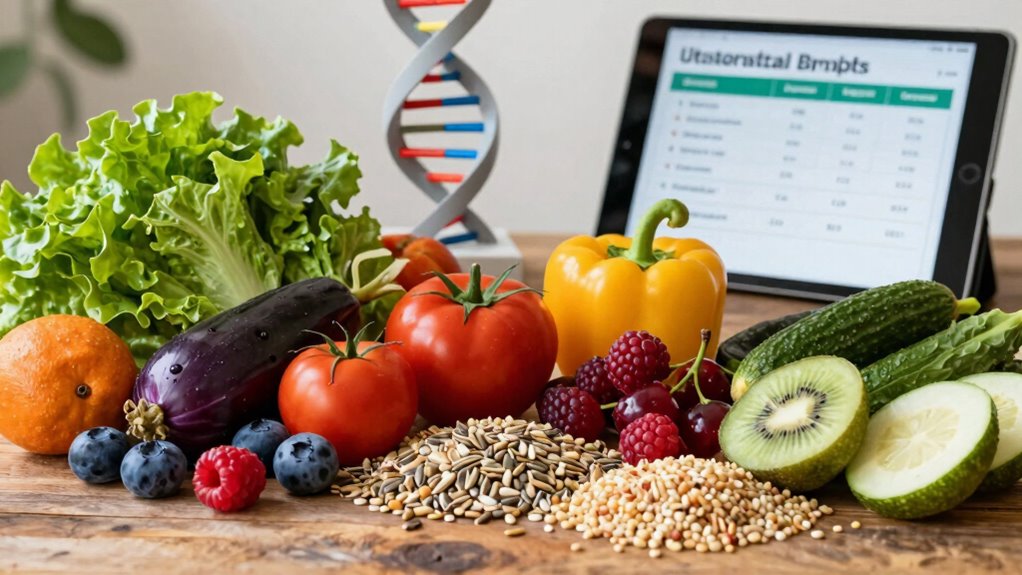

Personalized nutrition can give you useful insights into how your genes and gut bacteria influence your diet, cravings, and nutrient absorption. However, it’s not a magic fix and doesn’t guarantee perfect health. Many factors, like lifestyle and environment, play a role. It’s a tool that works best when combined with traditional healthy habits. If you want to understand the full scope of what personalized nutrition can do and its limits, keep exploring.

Get books, candles and calm essentials delivered free — and shop member deals
- Fast, free delivery on millions of items
- Access to Prime Big Deal Days deals on October 6–7
- Prime Video, Amazon Music and more included
Key Takeaways
- Personalized nutrition offers insights into dietary choices but cannot guarantee specific health outcomes.
- It can help identify certain genetic or microbiome factors influencing digestion and cravings.
- It should complement, not replace, foundational healthy habits like balanced eating and physical activity.
- Scientific evidence is evolving; personalized plans are not foolproof or universally applicable.
- Understanding limitations prevents overconfidence and encourages focus on evidence-based, sustainable habits.

Have you ever wondered why a diet that works perfectly for one person might not suit another? The answer lies in the complex interplay of genetics and the microbiome. Personalized nutrition aims to tailor dietary recommendations based on your unique genetic makeup and gut bacteria, but it’s important to understand what it can and cannot genuinely deliver. While genetic influence plays a role in how your body processes nutrients, it doesn’t provide a complete picture of your health needs. Genes can determine things like how efficiently you metabolize fats or carbohydrates, but they don’t dictate your entire dietary response. Your genetics set the stage, yet countless other factors influence your nutritional health.
Equally significant is the impact of your microbiome—the trillions of bacteria living in your gut. This microbiome impact can shape how you digest foods, absorb nutrients, and even influence your cravings and appetite. Some people may have a microbiome better suited to breaking down fiber or metabolizing certain sugars, which can affect their response to specific diets. However, despite these insights, microbiome analysis isn’t a crystal ball. It offers clues, but it doesn’t guarantee precise predictions about your nutritional needs or health outcomes. The microbiome is dynamic, influenced by your diet, environment, and lifestyle, making it a moving target rather than a static blueprint. Additionally, the microbiome’s composition can change over time, further complicating its predictive power. Understanding microbiome variability can help prevent overreliance on its predictions.
Personalized nutrition can be a helpful guide, especially when combined with traditional dietary advice, but it’s not a magic solution. It can’t replace the fundamental principles of healthy eating, such as consuming a variety of whole foods, staying active, and managing stress. Plus, many of the claims surrounding personalized diets are exaggerated. Scientific evidence supports that understanding your genetics and microbiome can improve some dietary choices, but they don’t unlock a foolproof recipe for perfect health. There are many variables—like your habits, socioeconomic factors, and psychological well-being—that influence your health outcomes beyond your genetic code or microbiome profile.
In addition, scientific research continues to evolve, highlighting the importance of a balanced and evidence-based approach to personalized nutrition. In the end, personalized nutrition offers valuable insights but isn’t a one-size-fits-all fix. It’s a tool to help you make more informed choices, but it’s not a substitute for overall healthy habits. Your genetics and microbiome impact your health, yes, but they’re just parts of a much larger puzzle. Recognizing what personalized nutrition can and cannot do helps set realistic expectations, empowering you to focus on sustainable, evidence-based habits that genuinely promote well-being. Understanding the limitations of microbiome analysis can help prevent overreliance on its predictions.
Frequently Asked Questions
How Much Does Personalized Nutrition Cost Annually?
You can expect personalized nutrition to cost anywhere from a few hundred to over a thousand dollars annually, depending on the services you choose. The cost comparison reveals significant pricing variability, influenced by factors like DNA testing, ongoing consultations, and app subscriptions. Typically, more all-inclusive programs cost more, but they may offer better tailored advice. Be sure to weigh the value against the price to find the best fit for your needs.
Can Personalized Diets Prevent All Chronic Diseases?
Personalized diets can’t prevent all chronic diseases because genetic limitations and lifestyle factors play significant roles. While tailoring nutrition to your genetic makeup can reduce some risks, it’s not a guarantee. Your habits, environment, and ongoing health choices influence disease development. So, even with a personalized approach, you still need to maintain healthy lifestyle factors like exercise, sleep, and stress management to lower your overall chances of chronic illnesses.
Is Genetic Testing Necessary for Personalized Nutrition?
Genetic testing isn’t strictly necessary for personalized nutrition, but it can enhance your diet plan by providing insights into your genetic makeup. However, you should consider genetic privacy issues and data accuracy when opting for testing. Keep in mind, the results depend on the quality of the data, and there’s a risk of misinterpretation. Ultimately, personalized nutrition can be tailored through other factors like lifestyle, preferences, and health status.
How Long Does It Take to See Results?
You might find that results from personalized nutrition appear surprisingly quickly, often within a few weeks. It’s all about consistent meal timing and nutrient timing, which help your body adapt faster. Sometimes, a small change like adjusting when you eat or supplement can lead to noticeable improvements. Keep in mind, individual responses vary, but with patience and focus on these factors, you’ll start seeing progress sooner than you expect.
Are Personalized Nutrition Plans Covered by Insurance?
Insurance coverage for personalized nutrition plans varies, so it’s essential to check with your provider. Some plans may cover consultations with registered dietitians or nutritionists, especially if prescribed for medical conditions. Conduct a cost analysis to weigh out-of-pocket expenses versus potential health benefits. Keep in mind, coverage isn’t universal, so ask your insurer directly and explore any available health savings accounts or flexible spending options to offset costs.
Conclusion
Think of personalized nutrition as a finely tuned compass guiding you through a vast forest of food options. It can point you toward better choices and help you understand your body’s unique needs. But remember, it’s not a magic wand that instantly transforms your health. Like a skilled navigator, it guides you, but the journey’s success depends on your choices along the way. Embrace it wisely, and your path to wellness becomes clearer and more attainable.
Products Worth Considering
genetic testing for personalized nutrition
As an affiliate, we earn on qualifying purchases.
As an affiliate, we earn on qualifying purchases.