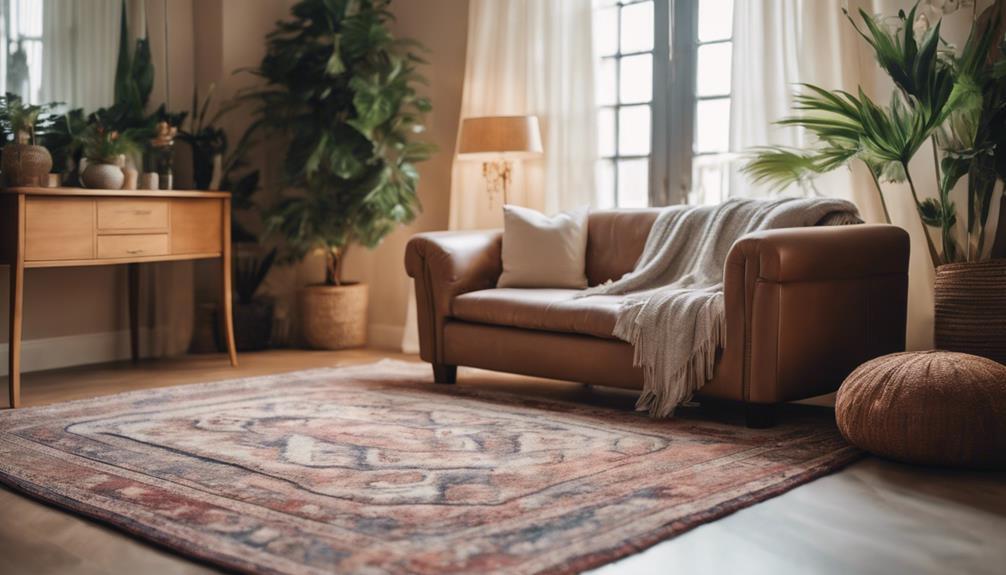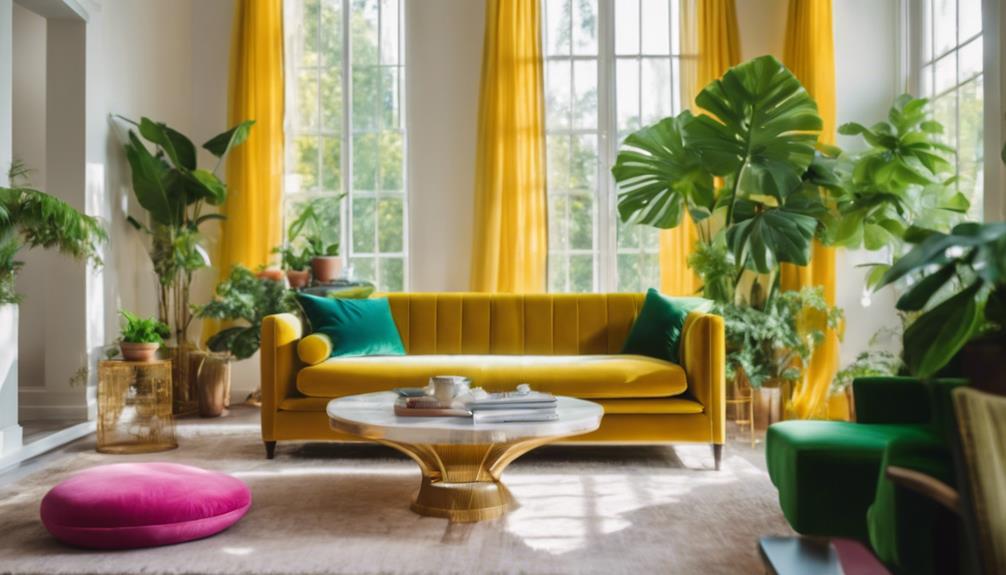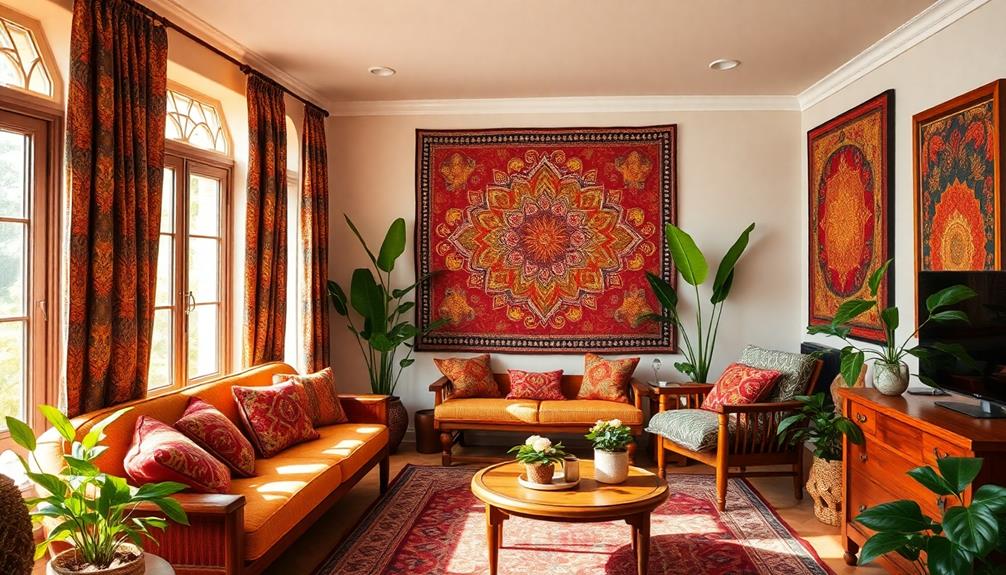
Biophilic decor means incorporating natural elements like indoor plants, organic textures, and natural light into your home to boost your mood and create a calming environment. You can improve air quality, add visual interest, and foster a sense of purpose by tending to plants and using natural materials. Smart technology helps optimize light and climate for your comfort and your plants’ health. Keep exploring to discover how this design style can transform your everyday living space.
Key Takeaways
- Incorporates natural elements like plants, wood, and stone to create a calming, organic atmosphere.
- Emphasizes maximizing natural light to boost mood and well-being in daily living spaces.
- Uses textures and materials that evoke outdoor environments for tactile and visual interest.
- Integrates smart technology to optimize environment comfort and enhance nature connection.
- Aims to transform homes into peaceful, health-promoting retreats through nature-inspired design.

Have you ever wondered how to bring the calming essence of nature into your home? That’s where biophilic decor comes in. It’s all about creating a space that connects you with the natural world, making your home not just more attractive but also healthier and more soothing. One of the key aspects is understanding indoor plant benefits. When you introduce plants into your living space, you’re not just adding visual interest—you’re improving air quality, boosting your mood, and reducing stress. Plants like snake plants, pothos, or ferns thrive indoors and require minimal maintenance, yet they provide maximum benefits. They help filter toxins from the air, making your environment cleaner and more breathable. Plus, tending to plants gives you a sense of purpose and calm, creating a natural flow between your indoors and outdoors. Incorporating smart home technology can also support your biophilic efforts by automating lighting and climate control to optimize comfort and privacy and security. Creating a sense of energetic alignment within your space can further enhance your well-being and connection with nature. Another essential element of biophilic decor is natural light optimization. You want to harness sunlight to enhance your interior’s connection with nature. This might mean rearranging furniture to maximize exposure to windows or installing sheer curtains that diffuse light without blocking it. Natural light boosts your mood, improves sleep, and makes your space feel more open and inviting. It also highlights your indoor plants, allowing them to thrive and look vibrant. When you optimize natural light, you’re not only supporting the health of your plants but also elevating the overall atmosphere of your home. It’s about creating a bright, airy environment that energizes you and fosters a sense of well-being. In addition, being mindful of the placement of smart devices can help you maintain a secure and private environment while enjoying the benefits of a connected home. Incorporating natural textures and materials further enhances the biophilic decor experience. Think about adding wooden furniture, stone accents, or woven textiles that echo the outdoors. These elements ground your space, making it more organic and less sterile. Additionally, understanding the benefits of indoor plants can help you choose the right greenery to suit your specific environment and lifestyle. The goal isn’t just aesthetics—these features work with your plants and lighting to create a cohesive, nature-inspired sanctuary. As you blend these elements, you’ll find your home becomes a refuge from daily stress, encouraging relaxation and mindfulness. Ultimately, biophilic decor transforms your home into a living, breathing space that nurtures your physical and mental health. It’s about more than just decorating; it’s about crafting an environment that reflects and supports your connection to nature. With a little effort—adding indoor plants, optimizing natural light, and choosing natural textures—you bring the calming, restorative power of the outdoors inside, making every day feel a little more peaceful and balanced.
Frequently Asked Questions
How Can I Incorporate Biophilic Design on a Budget?
You can incorporate biophilic design on a budget by focusing on budget-friendly upgrades like adding inexpensive indoor plants or creating DIY plant projects. Use repurposed containers for your greenery, and place plants near natural light sources to boost their growth and your mood. Incorporate natural textures through affordable materials like woven baskets or wooden accents. These simple, cost-effective steps help bring nature indoors without breaking the bank.
What Are the Best Plants for Low-Light Indoor Spaces?
You should choose plants like snake plants, pothos, or ZZ plants for low-light indoor spaces. They thrive with minimal light and require easy plant care, making them perfect for darker corners. Pay attention to their lighting requirements to prevent overwatering or undernourishing. These plants add natural beauty and improve air quality, helping you create a calming, biophilic environment without needing bright, direct sunlight.
How Does Biophilic Decor Impact Mental Health?
Biophilic decor boosts your mental well-being by connecting you with nature, which reduces stress and enhances mood. Incorporating natural elements like plants and natural light creates a calming environment, making you feel more relaxed and focused. As you surround yourself with these natural features, you’ll notice improved mental health, increased creativity, and a greater sense of peace. It’s a simple way to make your home a healthier, happier space.
Can Biophilic Design Improve Indoor Air Quality?
You might be surprised, but biophilic design can actually improve your indoor air quality. By incorporating air purification plants like snake plants or pothos, you naturally filter toxins and increase oxygen levels. The secret lies in your plant selection—choose varieties known for their air-cleaning abilities. When you embrace this design approach, you’re creating a healthier, fresher environment that subtly transforms your everyday home into a sanctuary.
How Do I Balance Aesthetics and Functionality in Biophilic Decor?
You balance aesthetics and functionality in biophilic decor by choosing natural textures that add visual interest while remaining practical. Focus on color harmony to create a calming, cohesive space that feels both beautiful and livable. Incorporate elements like plants or natural materials in ways that serve a purpose—such as air purifying plants or textured rugs—so your home looks great and functions efficiently, seamlessly blending style with everyday comfort.
Conclusion
Embracing biophilic decor transforms your home into a calming, vibrant sanctuary. You might think it’s just about adding plants, but it’s really about creating a space that nurtures your well-being and reconnects you with nature. Even if you’re worried about maintenance or style, start small—like a potted plant or natural textures—and see how effortlessly it enhances your daily life. After all, your home should be a true reflection of harmony with the natural world.