
Exploring vegan and plant-based fabrics reveals eco-friendly options like hemp, linen, and Tencel made from sustainably harvested plant fibers. These materials decrease water use, chemicals, and environmental impact while offering durability, breathability, and versatility. Ethical manufacturing ensures fair wages and safe working conditions. Choosing these fabrics supports waste reduction and circular fashion efforts. If you want to learn more about sustainable fabrics and how they can transform your wardrobe, you’ve come to the right place.
Key Takeaways
- Vegan and plant-based fabrics are sustainable alternatives, reducing environmental impact during production and promoting responsible sourcing.
- Examples like hemp, linen, and Tencel are eco-friendly, durable, breathable, and produced with minimal chemicals and water.
- Ethical manufacturing ensures fair labor practices, safe working conditions, and transparent supply chains.
- Innovative techniques minimize waste, incorporate recycled fibers, and support circular fashion for long-term sustainability.
- Consumers can support responsible brands, participate in eco-friendly fashion, and promote transparency and social responsibility.
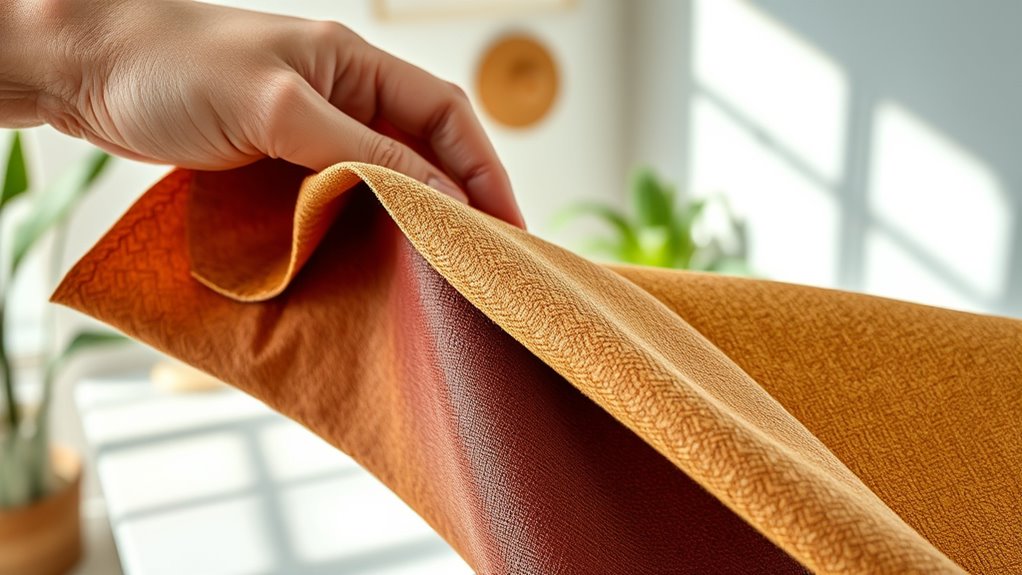
Vegan and plant-based fabrics are gaining popularity as sustainable alternatives to traditional textiles. You might be surprised by how many options are available, all designed to reduce environmental impact while aligning with ethical values. When you choose fabrics like these, you’re supporting sustainable sourcing—meaning the raw materials are harvested responsibly, with minimal harm to ecosystems and communities. Companies committed to ethical manufacturing ensure that workers are treated fairly, paid properly, and work in safe conditions. This combination of sustainable sourcing and ethical manufacturing not only benefits the planet but also helps foster a more just and equitable fashion industry.
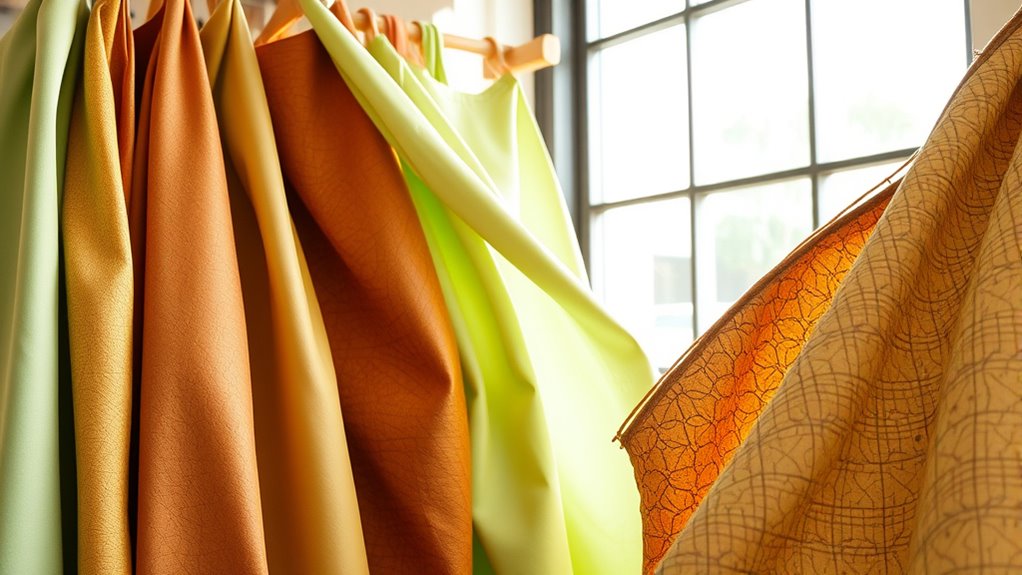
By opting for plant-based fabrics, you’re making a conscious decision to reduce reliance on animal products, which often require intensive resource use and contribute to environmental degradation. Materials like hemp, linen, and Tencel (made from sustainably grown eucalyptus trees) are excellent examples of plant-based textiles that can be produced with minimal chemical input and water consumption. These fabrics are not just eco-friendly—they’re also durable, breathable, and versatile, making them suitable for a wide range of clothing and accessories. When you choose plant-based options, you’re supporting innovation in textile manufacturing that emphasizes transparency and responsibility from seed to finished product.
The journey of creating vegan fabrics often emphasizes ethical manufacturing practices, which means you can feel good about where your clothes come from. Many brands now prioritize fair labor standards and transparency in their supply chains, ensuring workers are paid living wages and work in humane conditions. This conscientious approach helps reduce exploitation and promotes social sustainability alongside environmental goals. When you buy from companies that focus on ethical manufacturing, you’re endorsing a system that values human rights as much as ecological health.
Another key advantage of vegan and plant-based fabrics is their potential for reducing waste. Many of these textiles are produced using innovative techniques that optimize resource use and minimize waste production during manufacturing. Some brands even incorporate recycled plant fibers or use closed-loop processes to further lessen environmental impact. Additionally, durability and versatility are hallmarks of these fabrics, making them practical choices for long-term use. By choosing these fabrics, you’re supporting a shift toward circular fashion—one that aims to reuse and recycle materials rather than deplete natural resources or create excess waste.
Ultimately, embracing vegan and plant-based fabrics allows you to participate actively in a movement toward more sustainable and ethical fashion. You’re not just making a style statement—you’re contributing to a broader effort to improve the planet and support fair labor practices. As awareness grows, more brands are adopting responsible sourcing and manufacturing methods, making it easier for you to make impactful choices. Your preference for these fabrics can inspire others, helping to accelerate the transition to a more sustainable and compassionate fashion industry.
Frequently Asked Questions
Are Vegan Fabrics as Durable as Traditional Textiles?
Yes, vegan fabrics can be as durable as traditional textiles. Many are made from synthetic blends or plant-based fibers designed for fabric longevity. You’ll find options like nylon or polyester blends that stand up well to wear, and plant-based fabrics like hemp or linen that develop character over time. With proper care, vegan fabrics can offer long-lasting performance, making them a reliable choice for everyday wear and sustainable fashion.
How Do Vegan Fabrics Perform in Different Weather Conditions?
Like a chameleon adapting to its surroundings, vegan fabrics perform well in various weather conditions. They offer good weather adaptability, keeping you comfortable whether it’s hot or cold. Their breathability in different climates helps prevent overheating or dampness. While some fabrics excel in moisture-wicking and insulation, others are better suited for cooler or wetter environments. Overall, vegan fabrics are versatile, making them a smart choice for all-season wear.
What Are the Cost Differences Between Vegan and Conventional Fabrics?
You’ll find that vegan fabrics often have higher initial costs, but they can offer long-term cost savings through durability and ethical appeal. Conventional fabrics may be cheaper upfront, but their environmental impact and potential durability issues can add to your expenses over time. Affordability factors include production methods and material sourcing, which vary widely. Ultimately, considering both the upfront investment and long-term benefits helps you make a more informed choice.
Can Vegan Fabrics Be Recycled or Biodegrade Easily?
You can’t judge a book by its cover, but vegan fabrics often can be recycled or biodegrade more easily than traditional ones. Recycling processes vary depending on the material, and biodegradability factors include the fabric’s composition. Many plant-based fabrics, like hemp and organic cotton, break down faster in natural environments. While some vegan fabrics might take longer, overall, they’re designed with sustainability in mind, making them a greener choice.
Do Vegan Fabrics Require Special Care or Cleaning Methods?
Vegan fabrics generally require standard care instructions, but some may need gentle cleaning methods to maintain their quality. Always check the label for specific cleaning instructions, as certain materials like hemp or linen might need hand washing or air drying. Avoid harsh chemicals or high heat, which can damage the fabric. Using mild detergents helps preserve the fabric’s integrity, ensuring your vegan textiles stay fresh and durable over time.
Conclusion
By choosing vegan and plant-based fabrics, you support sustainable fashion and reduce environmental harm. Imagine switching to organic cotton for your wardrobe—you’re not only embracing eco-friendly materials but also encouraging brands to prioritize ethical practices. For example, a small clothing company that shifted to hemp fabric saw a significant decrease in their carbon footprint and gained loyal eco-conscious customers. Making mindful fabric choices empowers you to contribute to a greener, more ethical fashion industry.