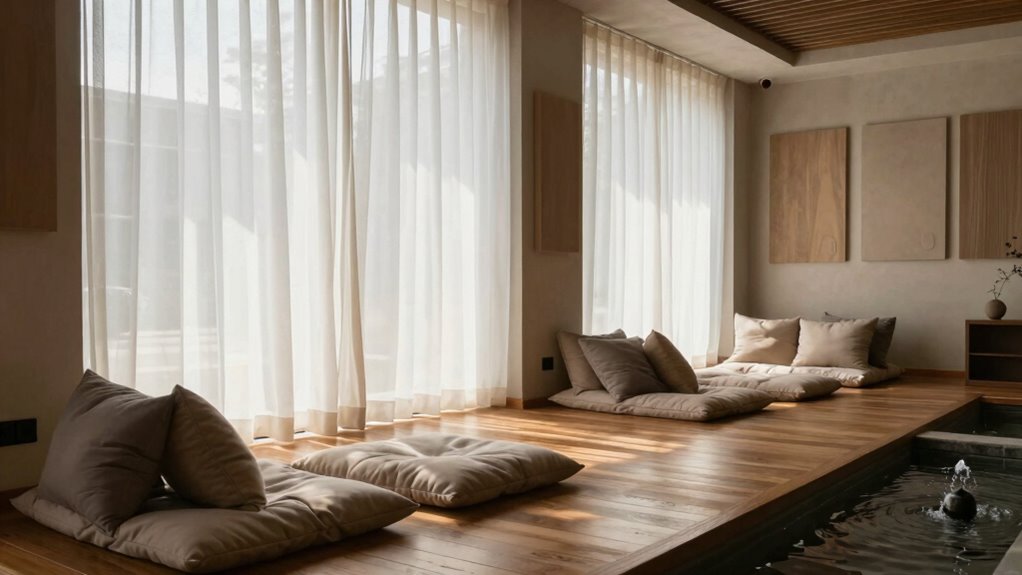

Sound shapes the atmosphere of restorative spaces more than decor ever can because it directly influences your mood, stress levels, and sense of calm. Thoughtful acoustic design helps mask disruptive noises while emphasizing soothing natural sounds, creating a peaceful environment. Focused on your well-being, these soundscapes foster relaxation, focus, and healing. If you want to discover how choosing the right sounds can transform your space and your experience, you’ll find valuable insights ahead.

Turn your quiet moments into listening time
- Thousands of audiobooks, podcasts and originals
- Listen on your phone, tablet or Echo — also offline
- Cancel anytime
Key Takeaways
- Sound shapes the atmosphere and emotional response more effectively than visual decor alone.
- Acoustic design influences mood, stress levels, and overall well-being in restorative environments.
- Natural and ambient sounds foster serenity, connection, and a sense of presence.
- Proper sound masking and materials prevent disruptive noise, enhancing comfort and focus.
- Thoughtful acoustic choices support the space’s purpose, promoting healing and mental clarity.
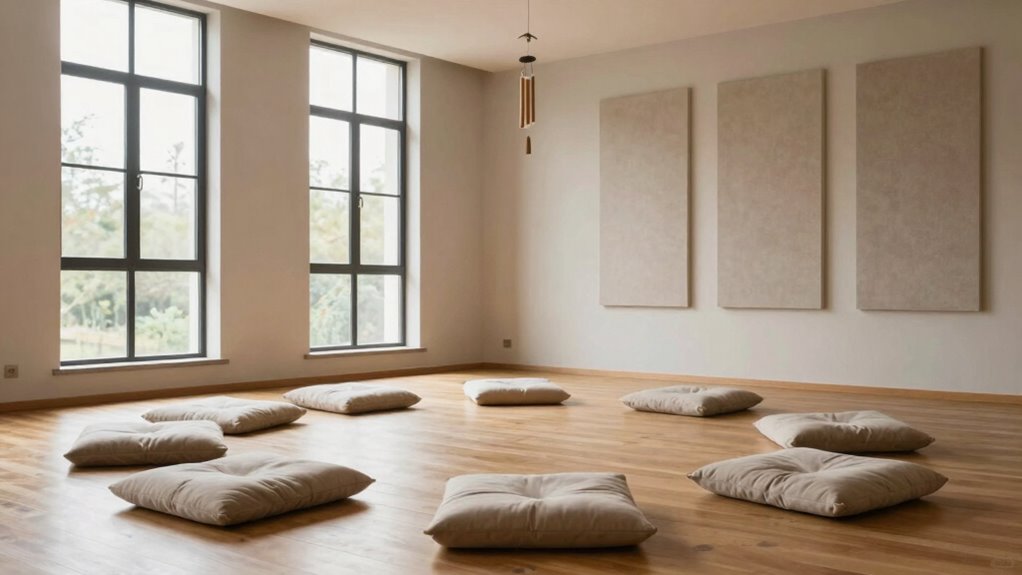
Have you ever wondered how sound shapes the atmosphere of restorative spaces? It’s more influential than many realize. While decor can create visual appeal, it’s the acoustic design that truly influences how you feel within these environments. When you step into a space designed with a thoughtful auditory environment, you immediately notice a sense of calm, focus, or relaxation. That’s because sound has a direct impact on your mood, stress levels, and overall well-being. Effective acoustic design isn’t just about muffling noise; it’s about crafting an auditory environment that promotes peace and healing. When the soundscape is carefully curated, it helps mask disruptive noises and enhances positive sounds, creating an atmosphere that invites you to unwind or concentrate.
In restorative spaces, the quality of sound is paramount. You want to avoid harsh echoes or sudden loud noises that can jolt you out of your relaxed state. Instead, soft, ambient sounds—like gentle water features, calming music, or natural soundscapes—should be incorporated to foster a sense of serenity. Proper acoustic design considers everything from the materials used in walls and ceilings to the placement of sound-absorbing panels. These elements work together to control reverberation and prevent sound from bouncing around chaotically. When the auditory environment feels balanced and harmonious, it supports your mental and emotional health far more than any decorative element could. Additionally, integrating natural sounds can boost the restorative effects by connecting individuals with the environment, which is a key aspect of biodiversity and sustainable living practices. A thoughtfully designed sound environment can also influence how people feel more connected and present in the space.
Creating a well-balanced sound environment also involves understanding how sound interacts with the space’s purpose, ensuring it aligns with the intended use, whether for relaxation, therapy, or meditation. For example, a meditation room benefits from near-silence or subtle background sounds, while a therapy space might incorporate soothing music to facilitate openness. The appropriate acoustic choices** help guide your experience, ensuring the environment remains tranquil rather than overwhelming. Soundscape design is a nuanced process that takes into account both the physical characteristics and the desired emotional response of the space. The right acoustic choices help guide your experience, ensuring the environment remains tranquil rather than overwhelming. This focus on sound emphasizes its importance over decor because no matter how beautiful a space looks, if it’s noisy or acoustically chaotic, it can’t truly serve its restorative purpose. Incorporating sound masking techniques further enhances the effectiveness of acoustic design by reducing distractions and creating a seamless auditory experience. The goal is to create an environment where sound enhances comfort** and aids healing, not distracts from it. When you prioritize acoustic design, you’re investing in a space that’s truly conducive to rest, reflection, and renewal. It’s a subtle but powerful factor that shapes the entire experience more profoundly than aesthetics alone.
Frequently Asked Questions
How Does Sound Influence Emotional Well-Being in Restorative Environments?
Sound greatly influences your emotional well-being in restorative environments through sound therapy and acoustic comfort. When calming sounds are present, they reduce stress and promote relaxation, helping you feel safe and centered. Conversely, loud or harsh noises can cause anxiety or discomfort. By prioritizing soothing soundscapes and acoustic comfort, you create a space that nurtures your mental health, making emotional healing more effective and accessible.
What Types of Sounds Are Most Effective for Relaxation?
You find that gentle ambient noise and sound therapy are most effective for relaxation. Soft, consistent sounds like flowing water, wind, or calming music help drown out distractions and create a soothing atmosphere. Sound therapy, including binaural beats or nature sounds, can reduce stress and promote mindfulness. By incorporating these sounds into your space, you enhance your sense of calm and support emotional well-being naturally and effectively.
Can Sound Masking Improve Focus in Restorative Spaces?
Imagine you’re working in a busy office, and sound masking helps you concentrate. Yes, sound masking can improve focus in restorative spaces by creating a consistent acoustic environment, reducing distractions. It enhances sound insulation and boosts acoustic comfort, making the space more conducive to relaxation and productivity. By masking disruptive noises, you can maintain a calm atmosphere, allowing your mind to stay centered and focused without interruptions.
How Do Individual Sound Sensitivities Affect Space Design?
Your personal preferences and cultural differences profoundly influence how you experience sound in restorative spaces. If you’re sensitive to noise, the design should include soundproofing or quiet zones to enhance comfort. Conversely, some cultures favor natural sounds, so incorporating water features or nature sounds can be beneficial. By considering these individual sensitivities and cultural nuances, you create a space that truly supports relaxation and well-being for everyone.
What Role Does Natural Soundscape Integration Play in Healing?
Natural soundscape integration creates natural harmonies that enhance healing by fostering a sense of calm and connection to nature. When you incorporate soothing natural sounds, you improve acoustic comfort, helping you feel more relaxed and less stressed. This connection to authentic, peaceful sounds supports emotional wellbeing and promotes faster recovery. You’ll notice that spaces with well-integrated natural soundscapes feel more restorative, making your healing journey smoother and more effective.
Conclusion
You see, sound shapes your experience, calms your mind, and nurtures your well-being. It’s not just about the decor or the aesthetics; it’s about what you hear, what soothes, and what restores. Sound creates a sanctuary, supports your healing, and anchors your peace. When you prioritize sound, you embrace a space that heals beyond the surface. Because ultimately, it’s not what looks good that matters most, but what sounds good—and what truly restores you.
Products Worth Considering
sound masking machine for relaxation
As an affiliate, we earn on qualifying purchases.
As an affiliate, we earn on qualifying purchases.