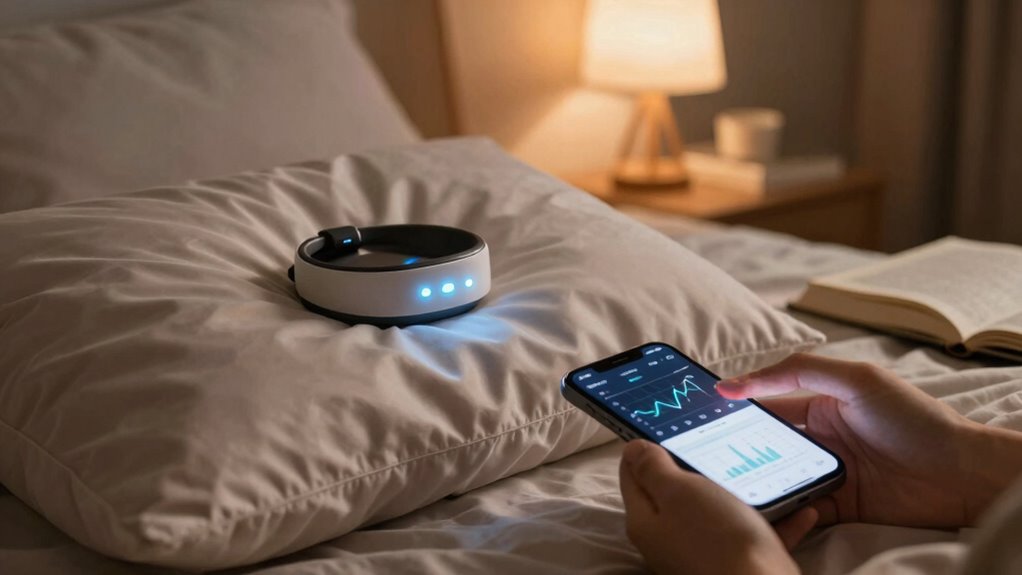

To get the most from your sleep tracker, actively review your data each morning and look for patterns that impact your sleep quality. Be mindful of its limitations—don’t see every measurement as exact. Use insights to make small, gradual habit changes like adjusting routines or reducing caffeine. Remember, progress matters more than perfection. If you keep these tips in mind, you’ll discover how to turn your tracker into a powerful tool for better rest.

Turn your quiet moments into listening time
- Thousands of audiobooks, podcasts and originals
- Listen on your phone, tablet or Echo — also offline
- Cancel anytime
Key Takeaways
- Regularly review and analyze sleep data to identify patterns and inform habit adjustments.
- Understand sensor limitations to interpret sleep metrics critically, avoiding overreliance on exact numbers.
- Use insights to develop consistent sleep routines and improve overall sleep quality gradually.
- Avoid obsessing over data; focus on progress and making sustainable habit changes.
- Combine data interpretation with active engagement to maximize benefits and support restful sleep.
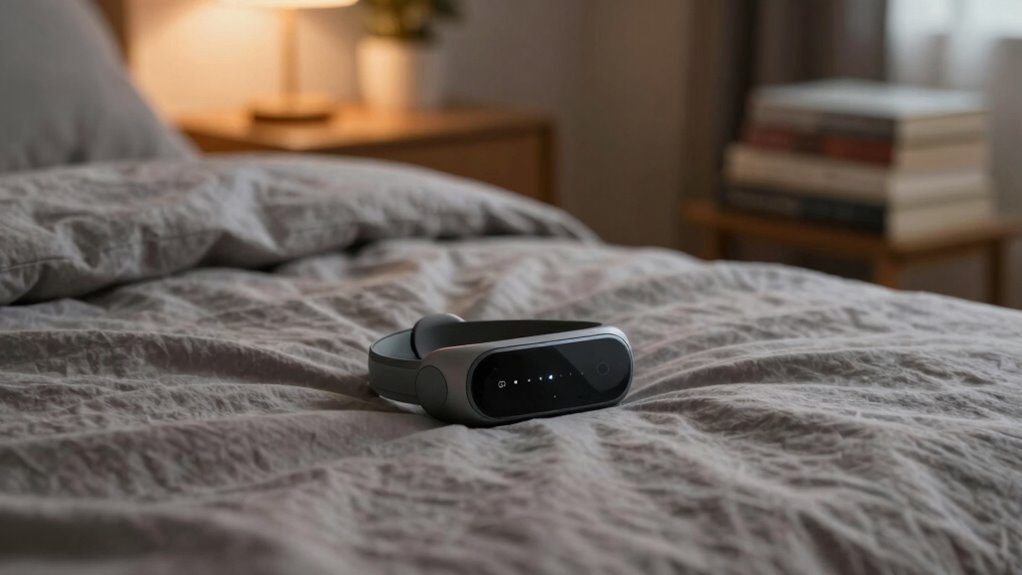
Sleep trackers can be useful tools for improving your sleep, but only if you know how to use them effectively. One of the most important aspects to evaluate is data accuracy. Many trackers rely on sensors that monitor movement, heart rate, or even breathing patterns, but these measurements aren’t always precise. If you want to make meaningful changes based on what your device tells you, you need to understand its limitations. For example, some trackers may overestimate sleep duration if you move around in bed but aren’t actually awake, leading you to believe you’re getting more rest than you truly are. Conversely, they might underestimate sleep if your movements are minimal, even when you’re peacefully sleeping. Recognizing these potential inaccuracies helps you interpret the data more critically, rather than taking every reading at face value.
Another key factor is user engagement. Simply wearing a sleep tracker isn’t enough; you need to actively analyze and respond to the insights it provides. Set aside time each morning to review your sleep data, looking for patterns or trends over days or weeks. Are you consistently waking up feeling tired? Do you notice certain nights where your sleep quality dips? Engaging with the data makes it more than just numbers—it’s a tool you can use to identify habits that affect your rest. If you see that caffeine late in the day disrupts your sleep, make a conscious effort to cut back. If your sleep consistently improves when you go to bed at the same time, establish that routine more firmly. The more you engage with the data, the better you understand your sleep habits and what adjustments have the most impact.
It’s also crucial to avoid obsessing over every detail. Sleep trackers are meant to guide you, not create anxiety. Use the data as a broad indicator rather than an exact science. If your device shows irregular sleep patterns, don’t panic; look for underlying causes and experiment with changes. Over time, your engagement with the device should foster healthier habits, but it’s important to stay flexible and realistic about what the data reveals. Keep in mind that sensor limitations can affect the accuracy of your sleep tracking results. Recognizing measurement inaccuracies helps you interpret the data more effectively and avoid unnecessary frustration. Understanding data limitations and their impact on measurement accuracy allows you to approach your sleep data with a more informed perspective. Additionally, being aware of how measurement limitations can vary between devices helps you set realistic expectations for your sleep tracking journey. Remember, the goal isn’t perfection but progress. When you combine accurate interpretation with active engagement, sleep trackers can be a powerful partner in improving your sleep quality. Use them wisely, and they’ll help you develop better routines, leading to more restful nights and energized days.
Frequently Asked Questions
Are Sleep Trackers Accurate for Everyone?
Sleep trackers aren’t perfectly accurate for everyone because of their limitations, like how they interpret movement or heart rate. Your user experience can vary based on the device’s quality and how you wear it. Some people might get precise data, while others find it less reliable. Keep in mind that sleep trackers serve as helpful tools, but they may not always reflect your true sleep quality.
How Often Should I Wear My Sleep Tracker?
Think of your sleep tracker as a loyal companion, guiding you through your nightly journey. You should wear it every night to get consistent, accurate data, especially if you’re working on improving sleep hygiene or establishing bedtime routines. Regular wear helps identify patterns and disruptions. Skipping nights might leave you with gaps in your understanding, so make it a nightly habit for the clearest picture of your sleep health.
Can Sleep Trackers Diagnose Sleep Disorders?
Sleep trackers can’t diagnose sleep disorders directly because of their limitations in accuracy and clinical insight. They provide helpful sleep data, but you shouldn’t rely solely on them for diagnosis. Always consult a healthcare professional if you suspect a sleep disorder. Also, consider sleep tracker limitations and sleep data privacy concerns, as some devices collect sensitive data. Use sleep trackers as advisory tools, not definitive diagnostic devices.
Do Sleep Trackers Track Naps or Just Overnight Sleep?
Sleep trackers typically monitor both overnight sleep and naps, but their accuracy varies. They track nap duration by detecting movement and heart rate, but tracker limitations mean they might not always capture short or quiet naps accurately. If you rely on a tracker for insights, remember it provides an estimate rather than precise data, especially for naps. Using it consistently helps you understand your sleep patterns better.
How Long Does It Take to See Improvements Using a Sleep Tracker?
You can start noticing improvements in your sleep within a week of using a sleep tracker, especially if you focus on sleep data interpretation and make tracker customization. By analyzing the data, you’ll identify patterns and adjust bedtime routines accordingly. Consistently applying these insights helps improve sleep quality over time. Remember, patience is key—tracking your progress and tweaking settings regularly will lead to the best results.
Conclusion
To get the most from your sleep tracker, stay consistent and avoid obsessing over every number. Think of it as a tool to guide your habits, not a crystal ball. Research suggests that when used mindfully, sleep trackers can genuinely improve sleep quality. But if you rely solely on the device without making lifestyle changes, you might miss out on real benefits. Embrace the data, but remember, your habits matter most.
Products Worth Considering
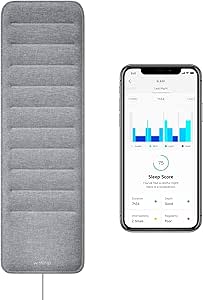
Withings Sleep Under-Mattress Sleep Tracking Pad
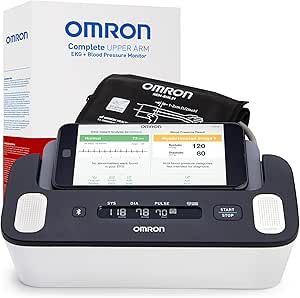
OMRON Complete 2-in-1 Upper Arm Blood Pressure Monitor with EKG

Bowflex SelectTech 840 Adjustable Kettlebell
As an affiliate, we earn on qualifying purchases.