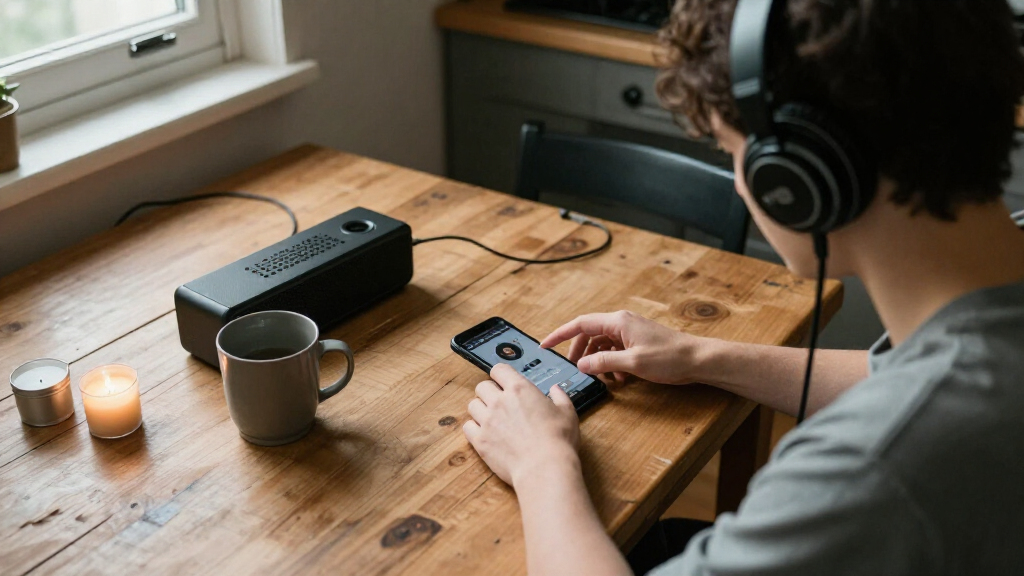

This checklist is for practitioners, musicians, and curious listeners choosing sacred music instruments for meditation, ritual, or personal exploration. The picks are starting points for comparing styles and forms; the product names alone do not establish how an instrument sounds, feels, or is made.

Turn your quiet moments into listening time
- Thousands of audiobooks, podcasts and originals
- Listen on your phone, tablet or Echo — also offline
- Cancel anytime
It is organized by instrument type, from singing bowls and frame drums to chimes, bells, shruti boxes, and harmoniums. Each section highlights practical details to consider, with a named pick where one was provided and general shopping guidance where the checklist has no product pick.
Use the look-for lists to compare product descriptions, dimensions, materials, and included components. Check that an instrument suits your intended setting and playing experience, and ask the seller about unclear specifications before deciding.
Tibetan Singing Bowls
A singing bowl can be part of a quiet personal practice or a shared meditation space, so consider how you plan to use it before choosing a format. The listed pick, Rylaxtones MS-8 Electronic Tibetan Singing Bowl Meditation System, is identified as an electronic system in its name. That makes it especially important to read the listing carefully rather than assume it has the same setup or playing method as an acoustic bowl.
Common shopping mistakes include relying on a product title alone, overlooking what accessories are included, and assuming that a system will suit a particular room or routine without checking its specifications. Look for clear information about controls, power requirements, dimensions, included components, and how the instrument is operated. If you want a portable setup, confirm its size and any power needs; for a shared space, consider whether the described controls and setup fit the people who will use it. Match the format to your practice, and seek an explanation from the seller when the listing leaves basic operation or compatibility unclear.
What to look for:
- Whether the listing describes an electronic system or an acoustic bowl
- Dimensions and the space needed for setup
- Power requirements and connection details
- Included components and accessories
- Clear operating instructions
Rylaxtones MS-8 Electronic Tibetan Singing Bowl Meditation System

This rechargeable electronic singing bowl system produces stereo sound with eight selectable frequencies for meditation, yoga, relaxation, and sound therapy. It includes six auto-off timer settings, adjustable volume, and a dual-head USB charging cable; a full charge takes about 120 minutes and provides up to eight hours of use.
Pros:
- Eight selectable frequencies for different listening preferences
- Six auto-off timer options and adjustable volume
- Rechargeable with up to eight hours of use per charge
Cons:
- Requires charging
- Electronic sound reproduction may not suit those seeking a traditional acoustic singing bowl
Best for: People seeking an electronically described singing bowl system.
Not ideal for: Shoppers specifically seeking a traditional acoustic bowl.
Bottom line: Check the system’s operation, power needs, and included components before choosing it.
Handheld Frame Drums
A handheld frame drum can suit rhythmic practice, group music, or personal exploration, and its size affects how it feels to hold and play. The listed pick is named Native American Style Buffalo Hide Frame Hand Drum – 18 inches, Handma. Its title gives an 18-inch dimension and refers to buffalo hide, but it does not provide enough detail to establish construction, care needs, or playing feel. Treat those as questions to verify in the product description.
One common mistake is choosing by diameter alone. Check the drum’s total weight, grip or handle design, and whether the listed dimensions refer to the playing surface or the whole frame. Ask how the hide should be cared for and whether the instrument is intended for indoor use, outdoor use, or both. If you are buying for someone else, consider their hand size, reach, and comfort holding an 18-inch instrument. Also read the complete listing title and specifications; the supplied name ends with “Handma,” so confirm the full product details and included items with the seller. Comfort and clear care guidance matter as much as the stated diameter when deciding whether a frame drum fits your practice.
What to look for:
- Confirmation of the full product name and listing details
- Whether 18 inches describes the drum or playing surface
- Weight and handle or grip design
- Care guidance for the hide and frame
- What accessories, if any, are included
Native American Style Buffalo Hide Frame Hand Drum – 18 inches, Handmade Maple F

This 18-inch hand drum features a buffalo hide head mounted on a sturdy maple frame, producing deep resonant tones ideal for sound healing, meditation, and drum circles. Each handmade drum includes a buckskin beater and has unique natural characteristics, making it a one-of-a-kind musical instrument.
Pros:
- Rich, deep sound suitable for sound healing and meditation
- Handmade with natural buffalo hide and wood for unique character
- Includes a beater for immediate use and comfortable leather handle for easy playing
Cons:
- Natural materials may vary in appearance and tone
- Large size may not be suitable for small spaces or portability
Best for: Shoppers looking for a frame drum listed as 18 inches.
Not ideal for: Anyone who needs confirmed weight or care details upfront.
Bottom line: Verify the complete listing, dimensions, and care instructions before selecting this drum.
Koshi Wind Chimes
Wind chimes can add gentle ambient sound to a meditation room, quiet corner, or other chosen setting. The listed pick, Koshi Chimes – All Four Elements – Wind Chime – 14 inches, names all four elements and gives a 14-inch measurement. The title alone does not specify the chime’s exact materials, mounting method, or sound characteristics, so use the listing to confirm the details that matter for your space.
A common mistake is assuming that every wind chime is suited to any location or will produce a particular sound. Check the full dimensions, how it is hung, and whether the listing explains its intended placement. For indoor use, consider where it can hang freely without interfering with daily activity; for outdoor placement, verify any care or weather guidance rather than assuming it is designed for exposure. If the four-elements naming is meaningful to your practice, check how the product description explains that designation. Also confirm whether any hanging cord or other mounting component is included. Placement and installation are practical parts of choosing a chime: the right spot can help it fit into a routine without becoming an obstacle.
What to look for:
- Confirmation of what the 14-inch measurement includes
- Hanging method and included mounting components
- Placement guidance for indoor or outdoor use
- Care instructions for the listed materials
- The listing’s explanation of “All Four Elements”
Koshi Chimes – All Four Elements – Wind Chime – 14 inches

This set features four melodic wind chimes inspired by the elements: Terra, Aqua, Aria, and Ignis. Crafted from metal tines inside bamboo resonating tubes, they produce deep, harmonic tones ideal for sound baths and healing practices.
Pros:
- Beautiful melodic tones inspired by the elements
- Suitable for sound healing and relaxation
- High-quality craftsmanship with rich harmonics
Cons:
- May be too large for small spaces
- Sound quality depends on proper hanging
- Limited color or design options mentioned
Best for: Shoppers drawn to the four-elements naming and a 14-inch chime.
Not ideal for: Anyone needing confirmed sound or weather details before purchase.
Bottom line: Confirm mounting, care, and placement details to see whether this chime fits your setting.
Shruti Boxes
A shruti box is an accompaniment instrument to explore when you want a steady tonal foundation for singing or practice. No product pick is specified here, so compare individual listings based on clear information about operation, dimensions, and included parts. Consider who will use it and where it will live: a personal practice instrument may have different portability needs from one intended to remain in a shared room.
Common buying mistakes include assuming that all models have the same range, controls, or playing method, and overlooking the space needed to operate one comfortably. Read descriptions for the stated notes or range, how the instrument is operated, and whether the listing includes a case or other accessories. Check dimensions and weight if you expect to carry it between locations. If you are new to shruti boxes, look for straightforward instructions or demonstrations and make sure the controls are explained in terms you understand. Specific, usable details help you compare options without guessing how a particular instrument will fit your routine. Ask the seller to clarify any missing specifications before making a selection.
What to look for:
- Stated notes or range
- How the instrument is operated
- Dimensions and weight for your intended use
- Included case or accessories
- Clear instructions or demonstrations
Temple Bells
A temple bell and vajra set can be considered for ritual or meditation practice, with the right choice depending on how you intend to use the pair. The listed pick is Tibetan Dharma Bell and Bajra Set – Handmade Buddhist Meditation Hand. Its name identifies a set, but the supplied title does not establish its dimensions, materials, or what “handmade” means for this listing. Review the full description to understand exactly what is included.
Common mistakes include assuming that a bell and vajra set will have a particular size, weight, or handling feel based on its name, or overlooking whether the seller provides care guidance. Look for measurements for both pieces, descriptions of their materials, and any information about how they are intended to be held or used. If the set is for a specific practice, compare the listing details with the requirements or guidance you already follow. Check whether the product arrives as a pair and whether any storage or care items are included. Clear specifications for both pieces make it easier to assess fit, handling, and suitability for your intended setting.
What to look for:
- Measurements for the bell and vajra
- Material descriptions for each piece
- Confirmation that both pieces are included
- Handling or use guidance in the listing
- Care and storage instructions
Tibetan Dharma Bell and Bajra Set – Handmade Buddhist Meditation Hand Bell by Hi

This handcrafted Tibetan bell and bajra set is made from high‑quality brass, delivering a clear, resonant tone ideal for meditation, yoga, or creating a calming atmosphere. Its compact size (3" diameter, 8" height) fits comfortably in the palm while its traditional Buddhist engravings add aesthetic appeal.
Pros:
- Authentic brass construction produces a clear, resonant sound.
- Compact size makes it portable for home or travel use.
- Beautiful traditional Buddhist engravings enhance visual appeal.
- Versatile for meditation, yoga, mindfulness practice, or decor.
Cons:
- Short 90‑day warranty may not cover long‑term durability concerns.
Best for: Shoppers seeking a listing described as a Tibetan bell and vajra set.
Not ideal for: Anyone who needs confirmed dimensions or materials immediately.
Bottom line: Read the full listing to confirm the set’s contents, specifications, and care guidance.
Harmonium Instruments
A harmonium can be a substantial addition to singing or musical practice, so begin by considering where you will use and store it. No product pick is specified here. Compare listings for the instrument’s dimensions, weight, operating method, and stated features, and consider whether you expect to move it often or keep it in one dedicated place.
A common mistake is choosing a harmonium without checking how its controls work or whether its listed features match your needs. Look for clear descriptions of the keys, bellows, stops, and any other controls the product includes; confirm the range and dimensions rather than inferring them from photos. If portability matters, verify the weight and whether a case is included. If you are new to the instrument, seek instructions or a demonstration that explains basic operation. Also check what care guidance the seller provides and whether any accessories are part of the listing. Operation and storage deserve attention alongside musical features, especially if the instrument will be shared or moved between practice spaces.
What to look for:
- Dimensions and weight
- Stated range and key information
- Descriptions of bellows, stops, and controls
- Instructions or an operation demonstration
- Included case, accessories, and care guidance
Use a needs-first buying order: decide how and where you will use an instrument, identify the fit and compatibility details that matter, then compare listings for those details. Prioritize clear specifications and care guidance before accessories or appearance, and ask sellers to clarify gaps that affect your decision.
You do not need to choose every instrument at once. Start with the one that best supports your current practice, take time to understand its setup and care, and expand your collection when you know what you want from the next sound or instrument.
Halloween Picks

Gemmy 5.4 ft The Nun Animatronic Halloween Decoration

Max Fun 10-Foot Halloween Dragon and Pumpkin Inflatable Archway with LED Lights

Haunted Hill Farm 2-Ft. Zombie Raccoon Halloween Animatronic
As an affiliate, we earn on qualifying purchases.