

Today, pet food trends focus on natural, holistic ingredients and transparency. You’ll notice a shift toward grain-free diets and plant-based proteins like peas and lentils, supporting health and environmental goals. Personalized formulations tailored to age, breed, or health needs are growing in popularity. Consumers are seeking foods free from artificial additives, emphasizing clean, recognizable ingredients. Keep exploring to discover how these emerging trends can help you make smarter nutrition choices for your pet.
Key Takeaways
- Increasing demand for natural, holistic pet foods with recognizable, minimally processed ingredients.
- Growing popularity of grain-free diets using alternative carbohydrate sources like sweet potatoes and lentils.
- Rising incorporation of plant-based proteins such as peas, lentils, and quinoa to support health and sustainability.
- Customization of pet foods for specific life stages, health needs, and breed-specific requirements.
- Consumer preference for products free from artificial additives, focusing on overall health, longevity, and ingredient transparency.
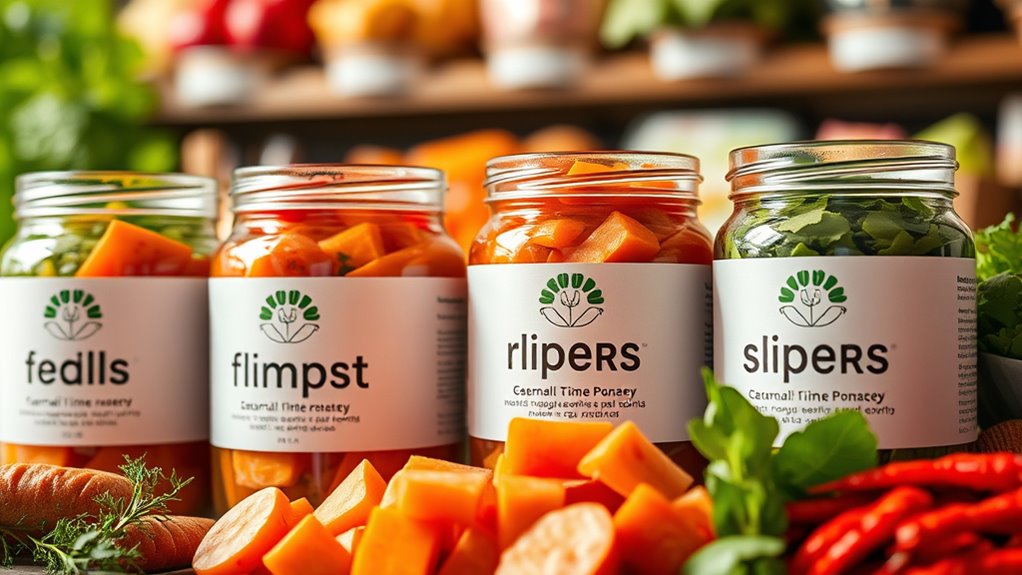
Have you noticed how pet owners are increasingly prioritizing nutrition when choosing food for their pets? It’s clear that more people want to provide healthier, more natural options. One major trend driving this shift is the popularity of grain-free diets. Pet owners are becoming wary of grains like corn, wheat, and soy, believing they can cause allergies or digestive issues. As a result, many are opting for foods that eliminate grains altogether, focusing instead on high-quality proteins and easily digestible ingredients. Grain-free diets often feature alternative carbohydrate sources such as sweet potatoes, peas, or lentils, which are seen as more nourishing options. This trend reflects a desire to mimic a more ancestral diet for pets, emphasizing whole, minimally processed ingredients that promote overall health.
Alongside grain-free options, plant-based proteins are gaining traction in the pet food industry. More pet owners are seeking to reduce their pets’ intake of animal-based products, either for ethical reasons, environmental concerns, or perceived health benefits. Plant-based proteins like pea protein, lentils, chickpeas, and quinoa are now commonly incorporated into formulas. These ingredients provide essential amino acids, supporting muscle maintenance and overall vitality. The shift toward plant-based proteins also aligns with a broader movement toward sustainable living, where reducing reliance on animal agriculture can lessen environmental impact. Pet food companies are investing in research to ensure that plant-based diets meet all nutritional requirements, making them a viable alternative for pets who thrive on these ingredients.
You might also notice that many of these new formulations are labeled as “holistic” or “natural,” emphasizing ingredients free from artificial additives and fillers. Pet owners are increasingly scrutinizing labels, seeking transparency and quality. They want foods that contain recognizable ingredients, without unnecessary preservatives or byproducts. This push toward cleaner, more natural options is fueling innovation within the industry, leading to a wider variety of grain-free and plant-based products. These options are often tailored to specific life stages, health conditions, or dietary preferences, allowing owners to personalize their pets’ nutrition.
Additionally, some pet food manufacturers are incorporating breed-specific traits into their formulations to better meet the unique needs of different breeds, further enhancing the customization of pet diets. Ultimately, these trends reflect a deeper understanding of pet health and a desire to optimize their wellbeing. As you explore different diets, you’re likely to encounter a growing array of choices that focus on natural, sustainable, and nutrient-dense ingredients. Whether you’re considering a grain-free diet or incorporating plant-based proteins, it’s important to consult with your veterinarian to ensure your pet’s nutritional needs are fully met. The evolving landscape of pet food nutrition offers exciting opportunities to improve your pet’s health through smarter, ingredient-conscious choices.
Frequently Asked Questions
How Do Taste Preferences Influence Pet Food Nutrition Trends?
You notice that flavor preferences greatly influence pet food nutrition trends. When pets or their owners prefer certain tastes, manufacturers innovate ingredients to meet those desires. This ingredient innovation often leads to new, appealing options that balance flavor with nutritional value. By focusing on what pets find tasty, brands can create products that satisfy both taste preferences and dietary needs, shaping the evolving landscape of pet nutrition.
Are Organic Ingredients Always Healthier for Pets?
You might imagine organic ingredients as the superheroes of pet food, but they aren’t always healthier. Organic labeling promises better ingredient sourcing, but it doesn’t guarantee nutritional superiority or safety. Sometimes, the certified organic label just means the ingredients were grown without synthetic pesticides, not that they’re more nutritious. So, you can’t assume organic ingredients are automatically healthier—look beyond labels and check the actual nutritional content.
How Does Pet Age Affect Nutritional Requirements?
As your pet ages, their nutritional needs change, requiring specific dietary adjustments for each life stage. Younger pets need more calories and protein for growth, while older pets benefit from lower calories and added joint support. You should monitor their weight and activity level, adjusting their diet accordingly. Providing age-appropriate food guarantees your pet stays healthy, active, and comfortable throughout each life stage. Regular vet check-ups help tailor these nutritional adjustments precisely.
What Are the Environmental Impacts of New Pet Food Trends?
You’ll find that new pet food trends aim to reduce environmental impacts through sustainable sourcing and waste reduction. By choosing ingredients responsibly, you help lower the carbon footprint and conserve resources. These innovations also cut down on packaging waste and promote eco-friendly practices. As a result, you support a healthier planet while providing nutritious options for your pet, creating a positive cycle of sustainability and care.
How Is Pet Food Safety Monitored Amidst Changing Trends?
You can trust that pet food safety is closely monitored through strict regulatory oversight, which guarantees products meet quality standards. Manufacturers implement contamination prevention measures, including rigorous testing and quality controls, to keep pet foods safe. Regular inspections and adherence to guidelines help catch potential issues early. By staying vigilant and following these safety protocols, the industry aims to protect your pets from health risks associated with changing trends.
Conclusion
As you navigate the world of pet food, remember it’s a vibrant mosaic of evolving trends, like a garden blooming with fresh ideas. Staying informed helps you pick the best nourishment for your furry friend’s journey through life. Think of each decision as planting a seed of health and happiness. By embracing these trends, you’re crafting a nourishing future where your pet’s well-being blossoms brighter than ever. Your choices truly make a difference—nurture them wisely.