The rise of native plants and nativars in gardens reflects a shift toward creating resilient, eco-friendly landscapes. By choosing native species, you support local wildlife, control invasive plants, and reduce maintenance tasks. Nativars offer aesthetic variety and hardiness while maintaining ecological benefits. This movement helps foster healthy ecosystems, promotes biodiversity, and minimizes environmental impact. If you continue exploring, you’ll discover how these choices can transform your garden into a vibrant, sustainable haven.
Key Takeaways
- Native plants and nativars support local ecosystems and pollinators, promoting biodiversity and ecological resilience in gardens.
- They help control invasive species, maintaining balanced landscapes and reducing ecological disruptions.
- Nativars offer aesthetic variety and adaptability, making native planting more appealing and suitable for urban environments.
- Native plants require less maintenance, water, and chemicals, contributing to sustainable and environmentally friendly gardens.
- The growing popularity of native plants and nativars reflects a shift toward eco-conscious gardening and habitat restoration efforts.
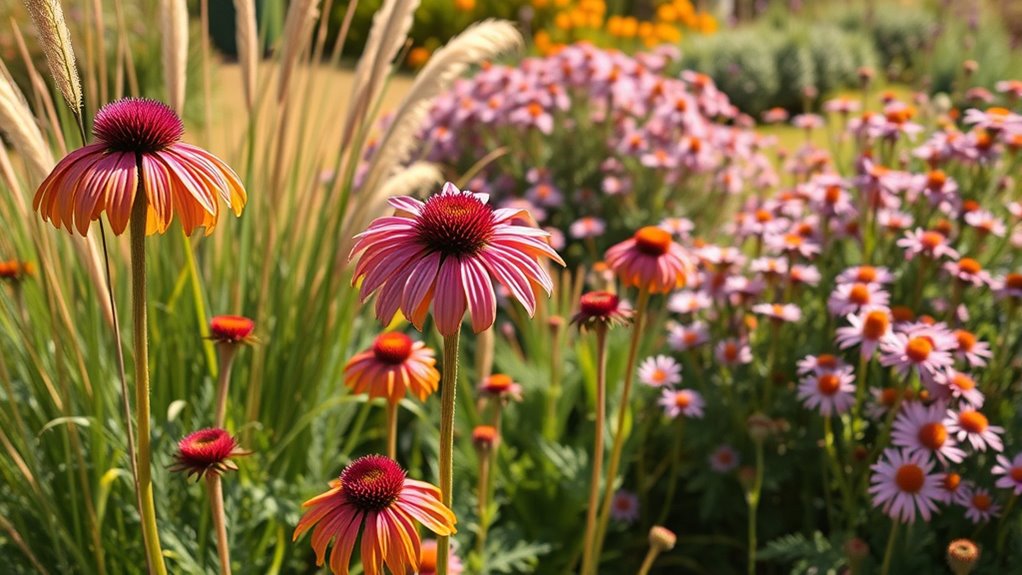
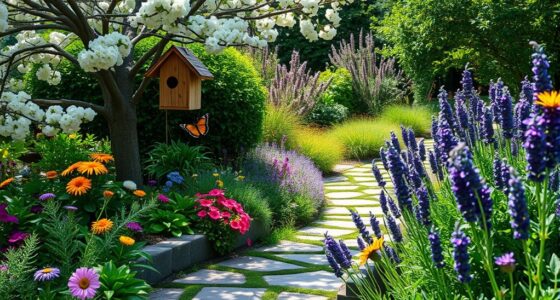
Native plants play an essential role in supporting local ecosystems, providing food and habitat for native pollinators and wildlife. When you choose native plants for your garden, you directly contribute to pollinator support, helping bees, butterflies, and other beneficial insects thrive. These pollinators are indispensable for many plants’ reproduction, ensuring healthy plant populations and vibrant garden diversity. By planting species that are adapted to your region, you create a sustainable environment where native pollinators find the nectar, pollen, and shelter they need. This not only benefits your garden but also strengthens the broader ecosystem, supporting biodiversity and ecological resilience.
Native plants support local ecosystems and provide essential habitat for pollinators and wildlife.
Incorporating native plants also helps manage invasive species more effectively. Invasive plants often outcompete native species for resources, disrupting local ecological balance. When your garden is filled with non-native, invasive species, it can become a haven for pests or diseases that threaten native flora and fauna. By prioritizing native plants, you reduce the chances of invasive species establishing themselves, making it easier to maintain a healthy, balanced landscape. Managing invasive species becomes part of a broader native plant strategy, where removing invasive threats allows native plants to flourish and provide critical habitat.
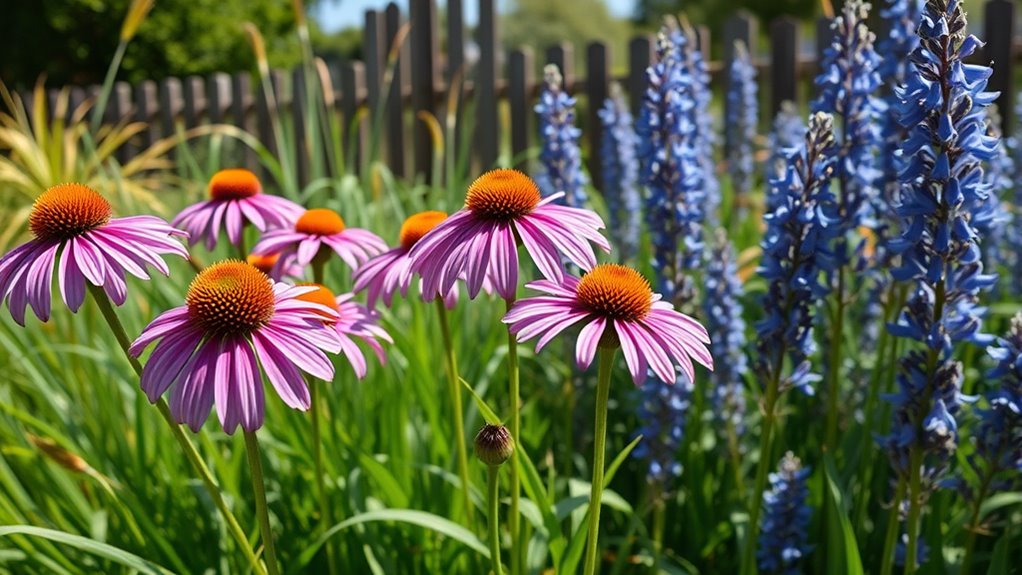
Nativars, or native cultivars, are a great way to enjoy the benefits of native plants while adding variety and resilience to your garden. These cultivated varieties are bred for specific traits like enhanced color, longer blooming periods, or increased drought tolerance. They retain their native support functions for pollinators and wildlife but often adapt better to urban conditions or less-than-ideal soils. When you select nativars, you’re supporting local ecosystems just as effectively as with wild native species, but with the added benefit of tailored aesthetics or improved hardiness. This makes native planting more accessible and appealing for many gardeners.
Furthermore, native plants and nativars require less maintenance once established, reducing the need for chemical fertilizers, pesticides, or excessive watering. This eco-friendly approach aligns with invasive species management efforts, as it minimizes disturbances that often promote invasive growth. By fostering a garden filled with native plants and nativars, you create a resilient habitat that supports pollinator activity, resists invasions, and sustains local wildlife. Your efforts help preserve regional plant diversity and strengthen ecological networks, making your garden a fundamental part of the natural landscape rather than an isolated patch of non-native species. With these choices, you’re actively contributing to a healthier environment while enjoying a vibrant, sustainable garden. Incorporating vetted portable gardening options can further enhance your ability to maintain a healthy and adaptable garden environment.
Frequently Asked Questions
How Do Native Plants Improve Local Biodiversity?
Native plants boost local biodiversity by providing essential habitats for pollinators like bees and butterflies, increasing pollinator attraction in your garden. They also enhance soil health by supporting beneficial microorganisms and reducing the need for chemical inputs. By planting native species, you create a thriving ecosystem that sustains various wildlife, promotes plant diversity, and strengthens the overall health of your local environment.
What Are the Maintenance Differences Between Native Plants and Non-Natives?
You’ll notice that native plants generally need less maintenance since they’re adapted to your local climate and soil, reducing water requirements and the need for fertilizers. They attract pollinators naturally, which helps your garden thrive with minimal intervention. Non-natives may require more watering, pest control, and fertilization. Coincidentally, selecting natives supports pollinator attraction and simplifies upkeep, making your garden more sustainable and easier to manage over time.
Can Native Plants Be Invasive in Certain Regions?
Yes, native plants can be invasive in certain regions if they spread aggressively and outcompete local species. You should consider regional concerns, as some native plants may become invasive outside their natural habitat. Always research your area’s ecosystem before planting. While native plants generally support local wildlife, it’s essential to monitor their growth to prevent unintended invasive behavior and protect regional biodiversity.
How Do Nativars Differ From Traditional Native Plants?
Imagine strolling through a garden where native plants sway naturally, and then spotting nativars—hybrid variations—that add a splash of color or unique shape. Nativars differ from traditional natives through their aesthetic differences, often bred for specific traits like flower color or size. These cultivated hybrids maintain ecological benefits while offering visual appeal, allowing you to enjoy the best of both worlds without compromising the environment.
Are Native Plants Suitable for Container Gardening?
Native plants are generally suitable for container gardening if you choose the right species. Focus on plant selection that matches your container’s size, sunlight, and watering needs. Many native plants thrive in containers, providing beauty and supporting local ecosystems. Just make certain proper drainage and regular care. By selecting native plants suited for container suitability, you’ll create a low-maintenance, eco-friendly garden that benefits pollinators and enhances your outdoor space.
Conclusion
Embracing native plants and nativars in your garden is like planting seeds of change that bloom into vibrant ecosystems. As you choose these plants, you support local wildlife and create a space that’s both beautiful and sustainable. Just as a melody flows seamlessly, your garden becomes a harmonious haven where nature thrives. By making this shift, you’re not just decorating your yard—you’re nurturing the environment and fostering a deeper connection with the land.