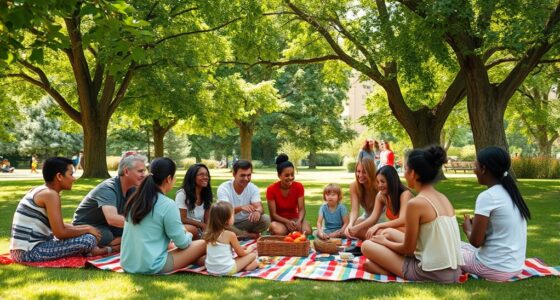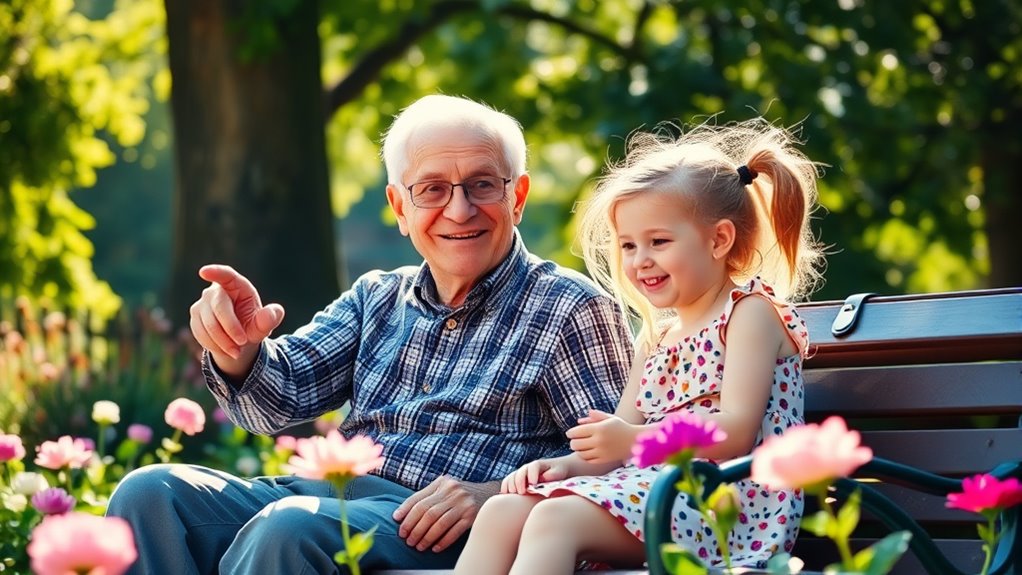

Intergenerational social interactions strengthen your community by fostering trust, understanding, and inclusivity. They offer opportunities to share skills, traditions, and life stories, enriching everyone’s perspectives. These bonds reduce loneliness, boost emotional well-being, and create a sense of belonging for all ages. Plus, they help break stereotypes and promote respect between generations. By embracing these connections, you help build a more resilient and compassionate community—discover more ways this can positively impact your neighborhood as you continue exploring.
Key Takeaways
- Fosters community bonding, trust, and inclusivity across generations.
- Enables skill sharing and cultural exchange, enriching knowledge and traditions.
- Promotes mutual respect, empathy, and understanding among different age groups.
- Enhances mental and emotional well-being by reducing loneliness and providing support.
- Builds a resilient, compassionate society through active intergenerational engagement.
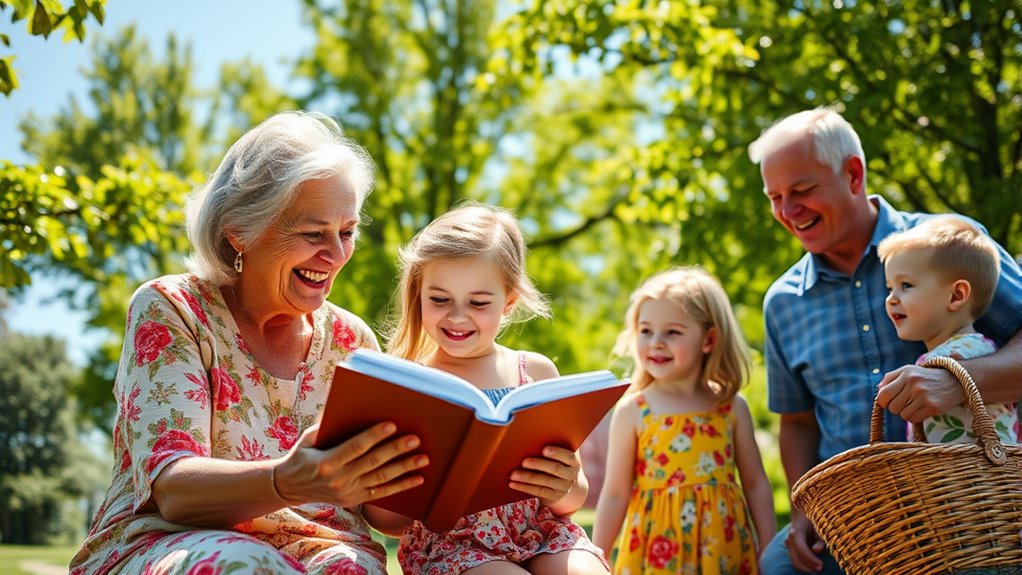
Intergenerational social interaction offers numerous benefits that can enhance the well-being of people across all ages. When different generations come together, you create opportunities for meaningful community bonding. These interactions build trust and understanding, breaking down stereotypes and fostering a sense of belonging. As you engage with older adults, you learn about their life experiences, traditions, and values, which enrich your perspective. Conversely, when you connect with younger generations, you gain fresh viewpoints and insights that keep you engaged and informed. This reciprocal exchange strengthens the social fabric of your community, making it more resilient and inclusive.
Connecting generations fosters community, understanding, and shared growth for a more inclusive, resilient society.
One of the key advantages of these interactions is skill sharing. You can teach older adults new technologies, such as smartphones or social media, helping them stay connected in a digital age. In return, they might share valuable life skills, like cooking traditional recipes, gardening tips, or storytelling that imparts wisdom and cultural knowledge. This exchange benefits everyone involved, creating a dynamic environment where skills are passed down and new ones are learned. It also fosters a sense of purpose, especially for seniors who feel more engaged and valued when they share their expertise. For younger individuals, learning directly from older generations offers practical knowledge that textbooks or online resources can’t fully provide. Recognizing intergenerational engagement as a vital component of community development can amplify the positive effects of such interactions.
Participating in intergenerational activities encourages mutual respect and empathy. You become more aware of the unique challenges each generation faces, which promotes patience and understanding. For example, spending time with elderly neighbors during community events helps diminish age-related stereotypes, making your neighborhood more compassionate. Similarly, mentoring youth can boost their confidence and demonstrate the importance of community support. These interactions create a sense of collective responsibility, reminding you that everyone benefits from a connected and caring community.
Moreover, intergenerational social interaction can improve mental and emotional health. As you build bonds across ages, you experience reduced loneliness and increased feelings of happiness. Sharing stories, working on projects, or simply chatting with someone from a different age group provides emotional support and a sense of achievement. It also introduces a variety of perspectives that can challenge your assumptions and expand your understanding of the world. This holistic approach to social engagement keeps you active, mentally stimulated, and emotionally fulfilled.
Frequently Asked Questions
How Can Communities Promote Intergenerational Activities Effectively?
You can promote intergenerational activities effectively by organizing community events that bring different age groups together. Implement mentorship programs where older adults share skills and experiences with youth. Encourage local schools, senior centers, and organizations to collaborate, creating opportunities for meaningful interaction. By fostering inclusive environments and highlighting mutual benefits, you guarantee active participation, strengthening bonds across generations and building a more connected, supportive community.
Are There Specific Age Groups That Benefit Most From Intergenerational Interactions?
You’ll find that children and seniors gain the most from intergenerational interactions. Studies show that children develop empathy and social skills, while seniors experience reduced loneliness and improved mental health. These age-specific benefits foster emotional growth for kids and cognitive vigor for older adults. When you promote these connections, you help both age groups enjoy developmental advantages, creating a more inclusive and supportive community for everyone involved.
What Challenges Exist in Facilitating Intergenerational Social Programs?
You might face challenges like funding constraints, which limit program scope and sustainability, and cultural barriers that hinder participation across different age groups. These issues can cause misunderstandings or reluctance to engage. To overcome them, you should seek diverse funding sources and promote cultural awareness. Building trust and fostering open communication are essential for creating successful intergenerational programs, ensuring everyone feels valued and included despite these obstacles.
How Does Technology Influence Intergenerational Communication?
Technology acts as a bridge, connecting generations like a luminous rope across a chasm. You find that digital literacy unlocks this connection, making communication smoother and more vibrant. Virtual mentorship blossoms, allowing wisdom to flow swiftly from elder to youth, like a river nourishing new growth. You realize that embracing these tools transforms interactions, fostering understanding and respect, and turns digital spaces into shared ground where stories and lessons intertwine seamlessly.
Can Intergenerational Interactions Reduce Social Isolation Among Seniors?
Yes, intergenerational interactions can reduce senior loneliness by enhancing social connectivity. When you engage with different generations, you create meaningful relationships that combat feelings of isolation. These interactions provide seniors with emotional support, companionship, and a sense of belonging, all vital for mental well-being. By fostering such connections, you help seniors stay socially active and connected, ultimately improving their quality of life and reducing loneliness.
Conclusion
By engaging in intergenerational social interactions, you open a treasure trove of benefits that can transform your life in ways you never imagined. You’ll build bridges so strong they could withstand earthquakes, spark connections so profound they could change the course of history, and create memories so priceless they’ll echo through eternity. Embrace these interactions wholeheartedly, because they’re not just benefits—they’re the secret to unlocking a future so bright, it could illuminate the entire universe.