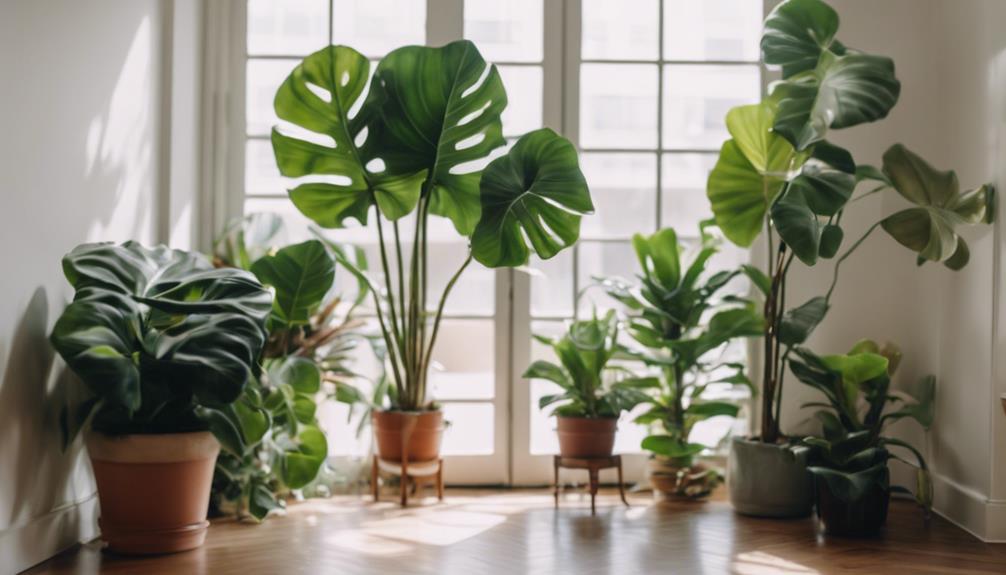
Grow lights made simple are perfect for plant lovers wanting better results. Choose LED options, which are energy-efficient, last long, and produce less heat. Adjust the light spectrum to match your plants’ growth stages—blue for leaves, red for flowering. Keep the lights a few inches above your plants and monitor their response. By understanding these basics, you’ll grow healthier plants with less effort. Stay with us to discover more tips for success.

Get books, candles and calm essentials delivered free — and shop member deals
- Fast, free delivery on millions of items
- Access to Prime Big Deal Days deals on October 6–7
- Prime Video, Amazon Music and more included
Key Takeaways
- Select full spectrum or adjustable LED grow lights tailored to your plant’s growth stage.
- Position lights a few inches above plants and adjust as they grow taller.
- Monitor plant response to ensure healthy, vibrant development.
- Use energy-efficient LEDs for cost savings and reduced heat output.
- Incorporate sustainable practices and eco-friendly options for environmentally responsible gardening.

If you’re new to indoor gardening, understanding grow lights can seem overwhelming. With so many options available, it’s easy to feel lost in technical details. But don’t worry—once you get the basics down, choosing the right grow light becomes much simpler. One of the most popular and efficient options today is LED technology. LED grow lights are energy-efficient, long-lasting, and versatile, making them ideal for a variety of plants. They produce less heat compared to traditional lighting, so you can keep your plants closer without risking burn damage. Plus, LED lights can be tailored to specific needs by adjusting their light spectrum, which is crucial for healthy plant growth.
LED grow lights are energy-efficient, adjustable, and produce less heat—perfect for healthy indoor plants.
The light spectrum is essentially the range of wavelengths the light emits. Plants rely on certain parts of this spectrum to grow efficiently. Blue light is essential during the vegetative stage because it promotes lush, leafy growth. Red light, on the other hand, encourages flowering and fruiting. A good LED grow light will offer a balanced spectrum or allow you to customize it based on your plants’ growth phase. This flexibility ensures that your plants receive the right kind of light at the right time, which translates to healthier, faster-growing plants. When shopping for LED grow lights, check for those that specify a full spectrum or adjustable spectrum features. These options give you control over the light environment and help optimize growth outcomes.
Another advantage of LED technology is its efficiency. Unlike older lighting systems, LEDs convert more electricity into usable light, reducing your energy bills. This efficiency means you can run your grow lights longer without worrying about skyrocketing costs. Additionally, LEDs produce less heat, so you won’t need to worry about excessive warmth affecting your plants or requiring elaborate cooling systems. They also tend to have a longer lifespan, often lasting tens of thousands of hours, so you won’t need frequent replacements. This durability makes LED grow lights a cost-effective choice for both beginner and seasoned indoor gardeners. Being aware of the biodiversity and conservation aspects related to sustainable practices can also help you make environmentally conscious choices when selecting gardening equipment. Moreover, understanding the importance of biodiversity can guide you in choosing eco-friendly products that support sustainable gardening. Incorporating sustainable practices in your gardening routines can further enhance the environmental benefits of your setup.
Getting started with LED grow lights is straightforward. Focus on choosing a model that offers a suitable light spectrum for your plants’ current growth stage. Place the lights at the right distance—usually a few inches above the canopy—and adjust as your plants grow taller. Keep an eye on your plants’ response; healthy, vibrant growth indicates you’re on the right track. Additionally, being aware of plant-specific light needs can help tailor your setup more effectively. Researching light requirements for different plant species can improve your overall success and ensure optimal growth conditions. With the right LED grow light setup, you’ll see better results, faster growth, and healthier plants, all while keeping energy costs manageable. It’s an investment that simplifies indoor gardening and boosts your success.
Frequently Asked Questions
Which Grow Light Color Spectrum Is Best for Flowering?
For flowering, the best grow light color spectrum is rich in red light, typically around 620-750 nm in light wavelength. This spectrum promotes blooming and fruiting by encouraging flowering hormones. You should look for grow lights with a high red-to-blue ratio, as red wavelengths actively stimulate flowering stages. Using a light spectrum tailored for flowering guarantees your plants develop fully and produce healthier, more abundant blooms.
How Often Should I Replace My Grow Lights?
You should replace your grow lights when their light lifespan ends, typically every 1-3 years, even if they still turn on. While they might seem fine, their plant growth efficiency diminishes over time. Think of it like a marathon runner losing stamina—your plants need ideal light for healthy flowering. Regularly check your lights and replace them as needed to keep your plants thriving and guarantee consistent, robust growth.
Are LED Grow Lights Energy-Efficient Compared to Other Types?
Yes, LED grow lights are energy-efficient compared to other types. They offer significant energy savings because they consume less power while providing the same or better light spectrum for your plants. When you do a cost comparison, LEDs tend to be more affordable in the long run due to lower electricity bills and longer lifespan. Plus, they generate less heat, reducing cooling costs and making them a smart choice for your grow setup.
Can Grow Lights Be Used Outdoors or Only Indoors?
You can definitely use grow lights outdoors, especially for outdoor gardening or seasonal lighting when natural sunlight isn’t enough. They provide supplemental light to help your plants thrive, even on cloudy days or during shorter winter days. Just make certain to choose weatherproof, durable grow lights designed for outdoor use. Proper placement and timing will ensure your plants get the right light, boosting growth and health in any outdoor environment.
What Is the Ideal Distance Between Grow Lights and Plants?
Sure, you can ignore the recommended distance, but your plants might not thank you. Typically, you want to keep grow lights 12-24 inches above your plants, depending on light intensity. Too close, and you risk scorching leaves; too far, and they stretch desperately for light, wasting energy. Adjust plant positioning and light height to find the sweet spot—your plants will thrive, and you’ll enjoy better results.
Conclusion
Once, I watched a neighbor’s struggling herbs suddenly thrive under a single, well-placed grow light—like a lighthouse guiding ships safely ashore. Just as that light illuminated their path, choosing the right grow light can transform your plants’ health and growth. Think of it as giving your garden a tailored spotlight—simple, powerful, and essential. With the right knowledge, you’ll nurture lush, vibrant plants that flourish, no matter the season.
Products Worth Considering
LED grow lights for indoor plants
As an affiliate, we earn on qualifying purchases.
As an affiliate, we earn on qualifying purchases.