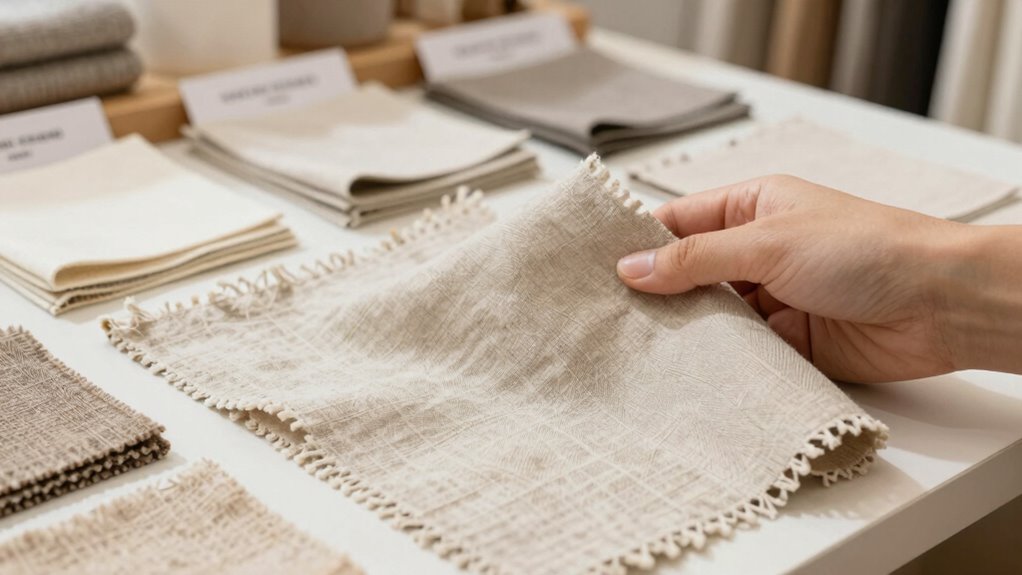

To shop for natural fabrics with more confidence, focus on brands that are transparent about their sourcing and manufacturing processes. Look for certifications like GOTS or OEKO-TEX that verify eco-friendly and safe practices. Prioritize high-quality, durable materials like organic cotton or hemp to reduce waste. Ask questions or research online to confirm fibers are responsibly sourced and natural dyes are used. If you want to make truly informed choices, keep exploring how sustainable sourcing and certifications can guide your selections.

Turn your quiet moments into listening time
- Thousands of audiobooks, podcasts and originals
- Listen on your phone, tablet or Echo — also offline
- Cancel anytime
Key Takeaways
- Prioritize brands that disclose their sourcing, manufacturing, and environmental practices transparently.
- Look for certifications like GOTS or OEKO-TEX to verify eco-friendly and safe fabric standards.
- Choose natural fibers such as organic cotton, hemp, linen, or silk for durability and sustainability.
- Confirm that dyes used are natural or low-impact to reduce chemical footprint and environmental harm.
- Research brand values and production methods to ensure alignment with sustainability and fair labor practices.
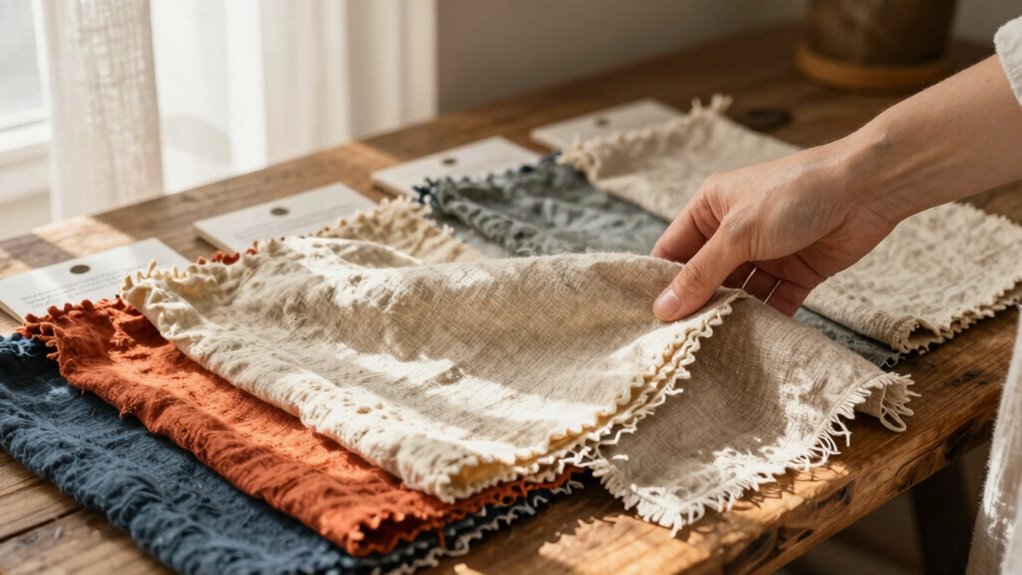
Shopping for natural fabrics can seem overwhelming at first, but with a few simple tips, you can easily find high-quality, eco-friendly materials. The key is to know what to look for and ask the right questions. First, focus on understanding the origin of the fabric. Look for brands or stores that prioritize sustainable sourcing, meaning they select fibers and suppliers committed to environmentally responsible practices. This guarantees that the materials you buy are produced with minimal environmental impact and that workers are treated fairly.
Prioritize sustainable sourcing and ask about environmentally responsible practices for eco-friendly, high-quality fabrics.
Next, pay attention to the dyes used in the fabrics. Eco friendly dyes are essential because traditional dyeing processes often involve harmful chemicals that pollute waterways and harm ecosystems. When shopping, ask whether the fabrics are dyed with natural or low-impact dyes. These dyes are made from plant-based or other environmentally safe ingredients, reducing the chemical footprint of your clothing. Choosing fabrics dyed with eco friendly dyes not only benefits the planet but also often results in softer, more natural-feeling textiles. Understanding the chemical footprint of dyes can help you make more informed choices about the environmental impact of your clothing, and being aware of the dyeing process can help you select sustainable options more confidently. Additionally, some fabrics like hemp and linen naturally require fewer chemical treatments during processing, making them greener choices from the start.
Another important aspect is the quality and durability of the fabric. Natural fabrics like organic cotton, hemp, linen, and silk tend to last longer when properly cared for. Investing in well-made, sustainable options means you’ll need fewer replacements over time, which is better for the environment and your wallet. Check for certifications such as GOTS (Global Organic Textile Standard) or OEKO-TEX, which verify that the fabrics meet strict environmental and safety standards. These labels can give you confidence that you’re purchasing genuine sustainable products.
You should also consider the transparency of the brand or supplier. Reputable companies are open about their sourcing and manufacturing processes. They provide information about where the fibers come from, how they’re processed, and their environmental commitments. Don’t hesitate to ask questions or do research online. The more transparent a company is, the more confident you can be that your purchase aligns with your values. Understanding the Free Floating concept can help you appreciate the natural materials’ aesthetic and functional qualities, encouraging more eco-conscious choices. Supporting brands that prioritize sustainable sourcing can ensure that your clothing choices positively impact the environment and workers involved in production.
Ultimately, shopping for natural fabrics with confidence means making informed choices. Focus on sustainable sourcing, seek out eco friendly dyes, verify certifications, and support brands that prioritize transparency. By doing so, you’ll not only enjoy high-quality, eco-conscious garments but also contribute to a healthier planet. Your mindful shopping habits can make a difference, turning your wardrobe into a statement of environmental responsibility.
Frequently Asked Questions
How Can I Identify Authentic Natural Fabrics in Stores?
To identify authentic natural fabrics in stores, start by reading fabric labeling carefully—look for terms like “100% cotton,” “linen,” or “bamboo.” You can also perform simple textile testing, such as checking for breathability or natural fiber feel. If unsure, ask store staff about the fabric’s origin. These steps help confirm you’re selecting genuine natural fabrics, ensuring better quality and sustainability in your choices.
Are Natural Fabrics More Affordable Than Synthetic Ones?
Natural fabrics typically cost more than synthetic ones due to higher fabric pricing and production expenses. Market trends show that while synthetics dominate the industry for affordability, there’s a growing demand for eco-friendly options, which can influence natural fabric prices. You might find natural fabrics to be pricier initially, but they often last longer and are better for the environment. So, investing in natural fabrics can be both sustainable and cost-effective over time.
What Are the Environmental Benefits of Choosing Natural Fabrics?
Choosing natural fabrics benefits the environment because they come from eco-friendly farming practices that reduce chemical use and promote sustainability. These fabrics are biodegradable, meaning they break down naturally without harming ecosystems. By opting for natural materials, you support eco-friendly farming methods and help decrease pollution, waste, and reliance on synthetic, non-biodegradable fibers. Your choices contribute to a healthier planet and a more sustainable future.
How Do Natural Fabrics Compare in Durability to Synthetics?
Ever wondered if natural fabrics can stand up to synthetics? They often are quite durable when cared for properly, especially with gentle fabric care routines. Natural fabrics like wool, cotton, and linen may require more delicate handling but shine in material versatility, offering breathability and comfort. While synthetics might resist wear longer initially, natural fabrics age gracefully, maintaining their integrity and beauty over time. So, with proper care, natural fabrics can be just as durable.
Can Natural Fabrics Be Allergy-Friendly for Sensitive Skin?
Yes, natural fabrics can be allergy-friendly for sensitive skin. Many options like organic cotton, silk, and linen have hypoallergenic properties, reducing irritation caused by synthetic fibers. When shopping, look for fabrics labeled as hypoallergenic or designed for sensitive skin. You’ll find these materials breathable and gentle, helping you avoid discomfort and skin sensitivities. Always choose natural fabrics that are minimally processed for the best allergy-friendly experience.
Conclusion
Shopping for natural fabrics might feel overwhelming at first, but remember, it’s like learning to navigate a new city—you’ll get more confident with each step. I once picked a linen shirt, unsure if it was truly natural, only to discover it’s more durable and breathable than synthetic options. Trust your instincts and test the fabrics. Soon, you’ll be confidently choosing textiles that not only look good but feel better and last longer, transforming your wardrobe for the better.
Products Worth Considering
GOTS certified organic cotton clothing
As an affiliate, we earn on qualifying purchases.
As an affiliate, we earn on qualifying purchases.