To avoid a flat look when decorating with earth tones, focus on layering textures, shades, and natural materials. Use a mix of rough-hewn wood, woven textiles, and textured rugs to add depth. Incorporate darker furniture against lighter walls and add accents like ceramics or art with layered finishes for visual interest. Varying hues slightly within your palette prevents monotony and keeps the space lively. For more ideas on creating a rich, inviting atmosphere, keep exploring these design strategies.
Key Takeaways
- Incorporate varied hues within earth tones to create contrast and visual interest.
- Layer textures like textiles, rugs, and natural materials for depth and tactile richness.
- Use accent walls or objects in muted olive green or darker shades to add focal points.
- Mix matte, glossy, and distressed finishes to prevent flatness and enhance dimension.
- Introduce layered art and decorative objects with different textures and finishes for visual complexity.
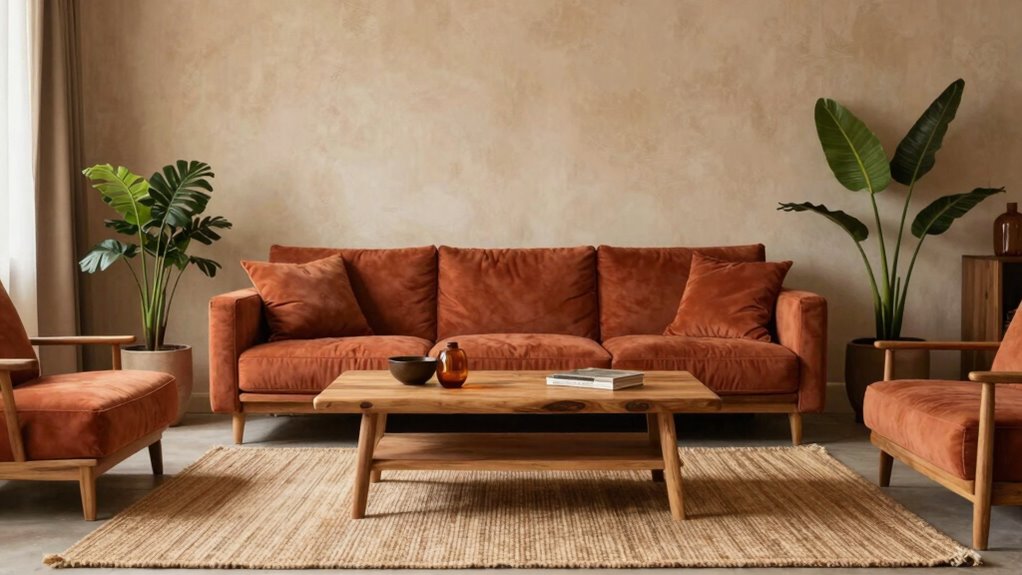
Are you looking to create a warm, inviting space? Decorating with earth tones can achieve that cozy, grounded atmosphere, but it’s easy to fall into the trap of making a room feel flat or dull. The key is to embrace natural color palettes and incorporate texture layering to add depth and interest. Earth tones—like warm browns, soft beiges, muted greens, and gentle terracotta shades—provide a beautiful foundation, but without careful styling, the space can feel monotonous.
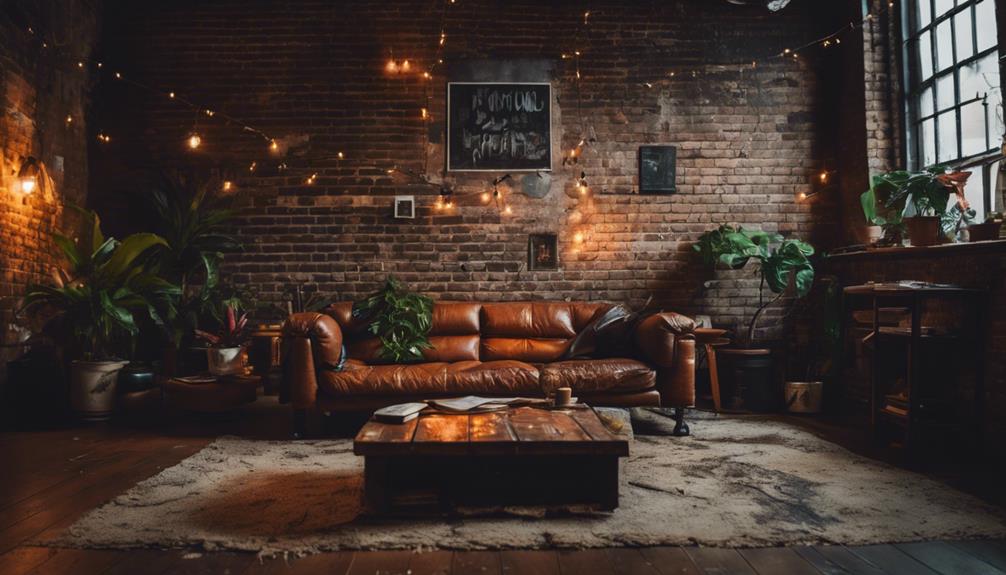
Start by selecting a cohesive natural color palette. Think of colors inspired by the outdoors—clay, stone, foliage, and sand. These shades are versatile and calming, but they shouldn’t be used in a single flat wash across your room. Instead, vary the hues slightly within the palette to create subtle contrast. For example, pair a light taupe wall with darker brown furniture or introduce a muted olive green accent wall. This variation keeps the space visually dynamic without straying from the earth tone theme. Incorporating contrast ratios helps enhance visual interest and prevent the room from appearing flat. Additionally, understanding how different zodiac traits influence color preferences can help personalize your space even further.
Vary earth tone hues with subtle contrasts for a dynamic, cohesive, and calming space.
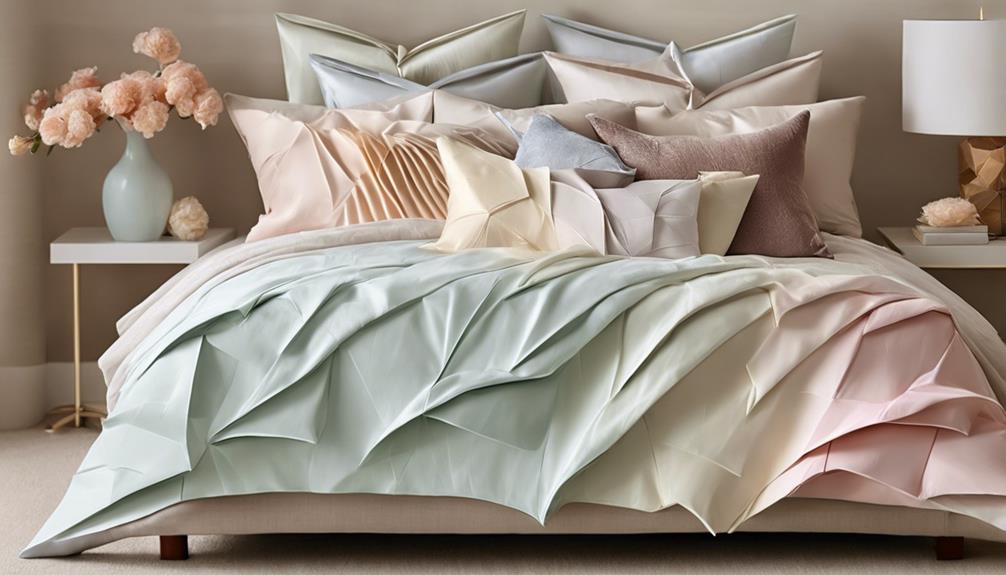
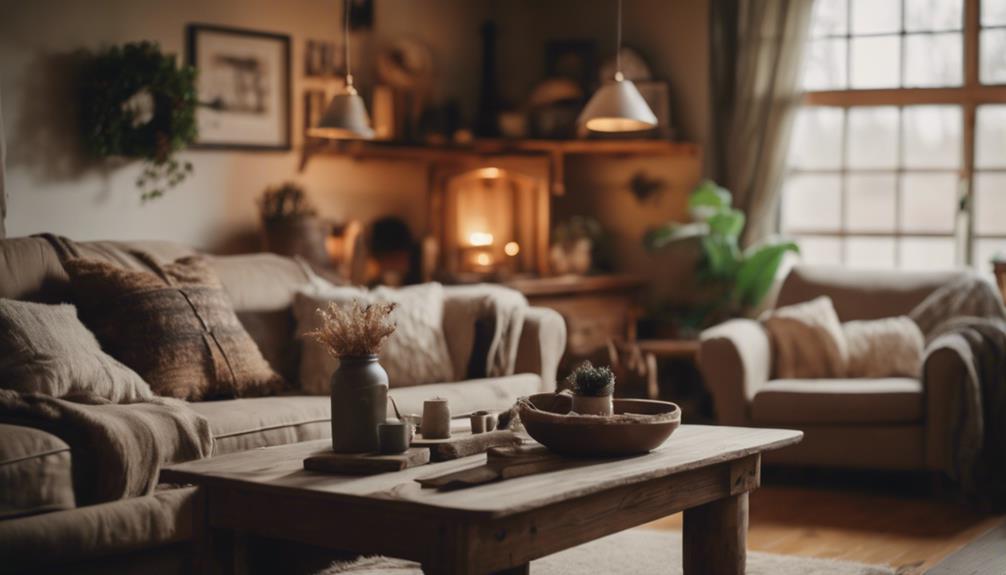
Texture layering is your secret weapon to prevent flatness. Incorporate different textures through textiles, furniture, and accessories. Think woven baskets, plush throws, linen curtains, and textured rugs. These elements catch the light differently and invite touch, making the room feel more lively and inviting. For instance, a rough-hewn wooden coffee table paired with a soft wool rug and velvety cushions creates a tactile experience that adds dimension to the room. Exploring layered finishes can also help you achieve this effect.
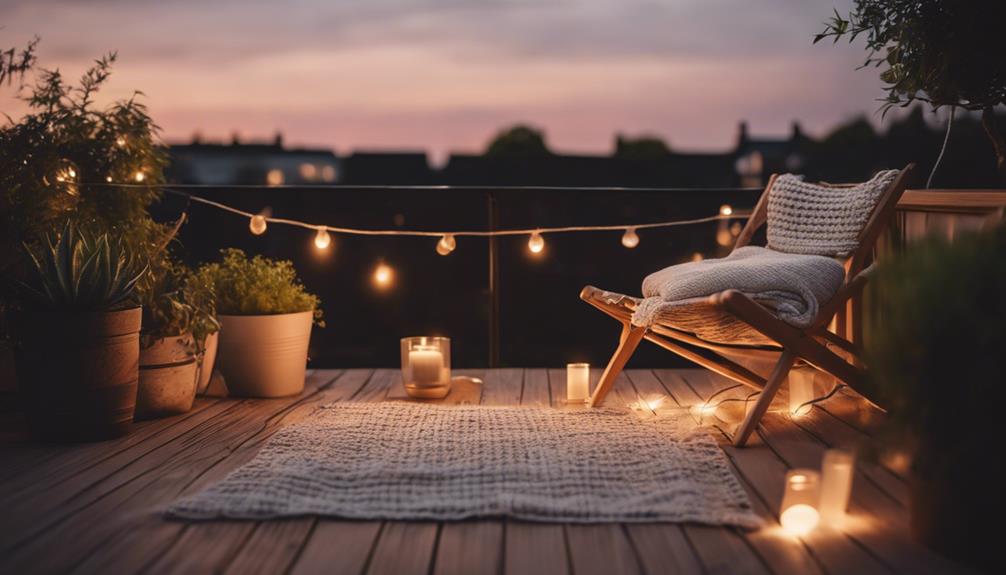
Don’t forget to incorporate natural materials like jute, rattan, or reclaimed wood. These materials have inherent textures that bring a rustic charm while enriching the visual complexity of your space. When you mix smooth ceramic vases with rough-textured pottery or matte and glossy finishes, you create a layered look that feels thoughtfully curated rather than flat or monotonous. Experimenting with natural materials can further deepen the tactile and visual interest of the decor.
Accents are also essential. Introduce your earth tones with art, ceramics, or decorative objects that have layered finishes—glossy, matte, or distressed. Light fixtures with textured or patterned shades can add subtle interest without overwhelming the palette. Use different finishes and materials to draw the eye and create focal points within your space.
In the end, decorating with earth tones isn’t just about choosing the right colors. It’s about thoughtfully layering textures and shades to craft a space that feels warm, rich, and alive. When you combine natural color palettes with intentional texture layering, you’ll turn a simple earth-toned room into a mesmerizing haven that’s both soothing and visually engaging.
Frequently Asked Questions
How Can I Add Texture to Earth Tone Decor?
To add texture to earth tone decor, you can incorporate natural materials like jute rugs, woven baskets, and linen cushions. Mixing patterns, such as florals with stripes or geometric designs, creates visual interest and depth. Layer different textures throughout your space, combining soft fabrics with rougher elements, which keeps the room lively and inviting while maintaining the warm, earthy palette.
What Color Accents Complement Earth Tones Best?
Your room’s potential is practically limitless with the right accents! Warm terracotta, muted blues, and soft greens are perfect for color pairing with earth tones. They add vibrancy without overwhelming. For style blending, consider metallics like gold or bronze to introduce a touch of elegance. These accents create a harmonious balance, making your space feel lively and inviting while enhancing the natural warmth of your earth-tone palette.
How Do I Prevent Earth Tones From Feeling Dull?
To prevent earth tones from feeling dull, incorporate vibrant accents that contrast with your neutral palette, like warm oranges or deep greens. Use color psychology principles to choose hues that evoke energy and warmth. Add texture and layers through textiles, artwork, or accessories to create visual interest. Mixing different shades and finishes keeps the space lively, ensuring your earth tones feel inviting rather than flat or monotonous.
Are There Specific Lighting Tips for Earth Tone Rooms?
Imagine you’re decorating a cozy living room, and you want to enhance its warmth. Using natural light during the day boosts earth tones’ richness, while warm bulbs in the evening create a snug atmosphere. You should also layer lighting with accent and task lights to avoid flatness. This combination highlights the room’s subtle hues, making it inviting and lively, even with a neutral palette.
Can Earth Tones Work in Small Spaces Effectively?
Yes, earth tone palettes work well in small spaces when you use small space strategies. You can incorporate neutral shades like warm beiges or soft browns to make the room feel cozy without overwhelming it. Use light-colored walls to open up the space, add mirrors for depth, and keep furniture minimal. These tips help balance the richness of earth tones, making your small room feel inviting and stylish without feeling cramped.
Conclusion
By thoughtfully layering earth tones, you create a space that’s as vibrant as a forest floor, full of depth and warmth. Remember, these hues are like a symphony—each tone plays a crucial role in crafting harmony. When you balance light and dark shades and add diverse textures, your room transforms from flat to fascinating. With this approach, your space becomes a rich landscape, inviting you to explore and enjoy its natural beauty every day.