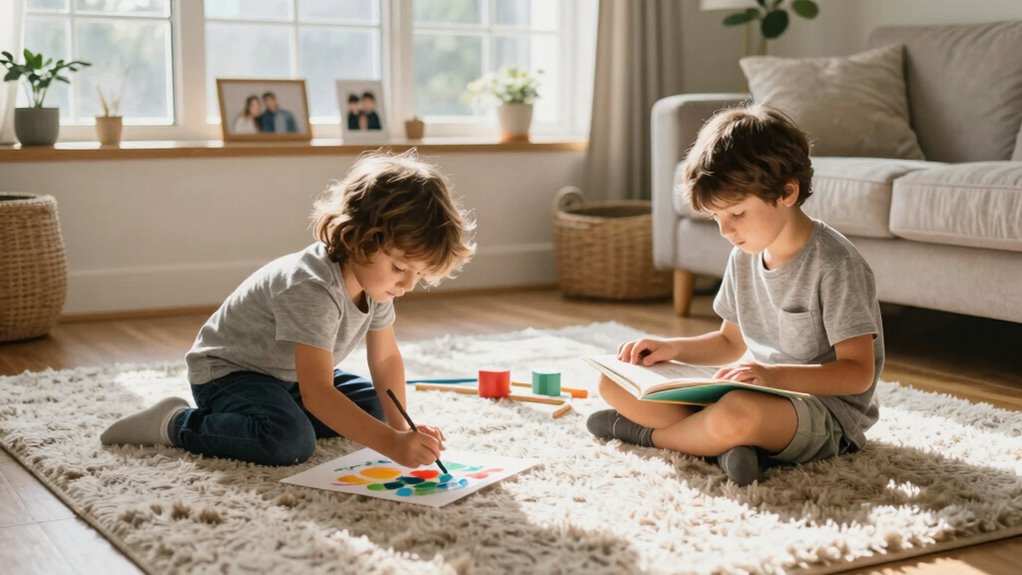

To reduce comparison culture at home, focus on celebrating each child’s unique strengths and effort rather than ranking achievements. Avoid labeling or comparing them, and model positive behaviors like self-acceptance and patience. Encourage open communication about feelings of jealousy or inadequacy, and promote a growth mindset that values effort over outcome. Limit exposure to idealized lifestyles and emphasize personal progress. Continuing with these strategies can help create a supportive environment where each child feels valued for who they are.

Get books, candles and calm essentials delivered free — and shop member deals
- Fast, free delivery on millions of items
- Access to Prime Big Deal Days deals on October 6–7
- Prime Video, Amazon Music and more included
Key Takeaways
- Celebrate individual talents and efforts, avoiding sibling comparisons or labels.
- Emphasize effort and personal growth over comparative achievements.
- Model self-acceptance and positive behavior to teach emotional resilience.
- Limit exposure to idealized lifestyles and encourage open discussions about feelings.
- Foster patience and a growth mindset, recognizing that progress varies for each child.
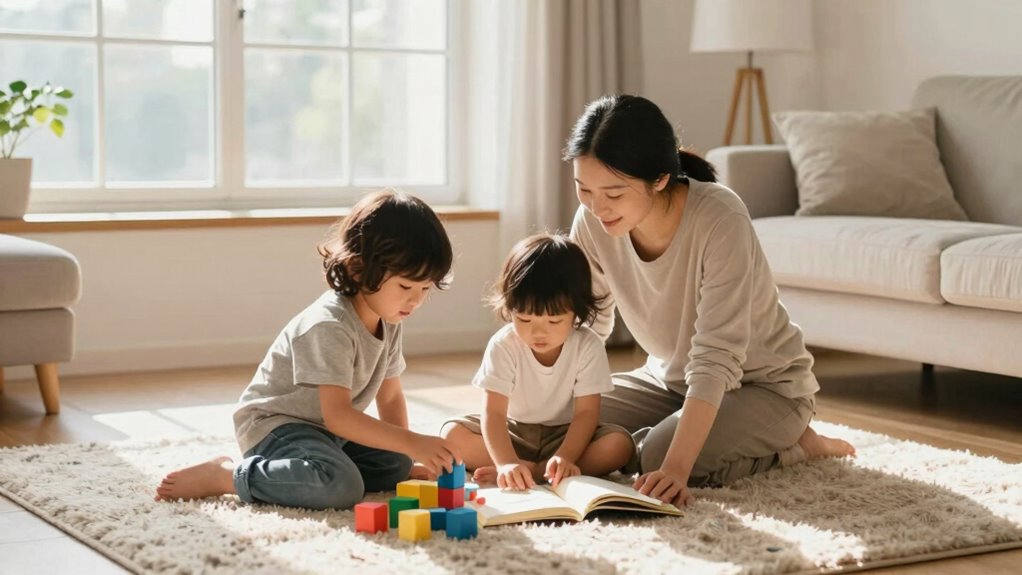
In today’s world, comparison culture can easily seep into your home, affecting your children’s self-esteem and relationships. When siblings are constantly compared—whether it’s grades, sports, or behavior—it can fuel resentment and deepen sibling rivalry. Instead of fostering unity, these comparisons often make children feel inadequate or overly competitive. To combat this, focus on self-esteem building by recognizing each child’s unique strengths. Celebrate individual achievements without pitting siblings against each other. When your child excels in art but struggles with math, praise their creativity rather than criticizing their academic performance. This helps them understand that their worth isn’t based on comparison but on their own talents and efforts.
Celebrate each child’s unique strengths to foster confidence and reduce sibling rivalry.
You can also reduce sibling rivalry by creating an environment where each child feels valued for who they are. Avoid labeling or ranking your children—such as “You’re the smart one” or “You’re the athletic one”—which can reinforce unhealthy comparisons. Instead, highlight their personal qualities and efforts. For example, say, “I’m proud of how hard you worked on that project,” rather than “You’re smarter than your sibling.” This shifts the focus away from comparison and encourages a growth mindset, where children see effort and improvement as the path to success. Additionally, understanding the importance of natural pools and landscaping can inspire you to create a backyard environment that promotes relaxation and individual enjoyment, further reducing competitive stress at home. Recognizing the impact of digital influences can also help you establish boundaries that minimize unhealthy comparison triggers. Setting limits on screen time can reduce exposure to idealized images and lifestyles that often fuel comparison and self-doubt.
A further understanding of electric bikes and related technology can serve as a reminder that progress and achievement come at different paces for everyone, reinforcing the idea that individual growth shouldn’t be measured against others. This understanding can help foster patience and acceptance of each child’s development. Another way to minimize comparison is by setting an example. Your behavior influences how your children view themselves and others. Avoid making negative comparisons about yourself or others in front of your kids. If you catch yourself comparing, reframe your thoughts positively. For instance, instead of saying, “I wish I had her talent,” remind yourself of your own strengths. When children see you valuing your own worth without envy or judgment, they learn to do the same. Showing vulnerability and self-acceptance can also foster emotional resilience, which helps kids navigate feelings of inadequacy or jealousy more healthily.
Encouraging open conversations also plays a vital role. Talk to your children about the harmful effects of comparison and explain that everyone’s journey is different. Reinforce that their value isn’t determined by how they measure up to someone else. When conflicts or jealousy arise, help them articulate their feelings and find healthy ways to cope. Building a supportive environment where children feel safe expressing their emotions can significantly reduce the tendency to compare and compete. Recognizing the importance of mindset and how it influences self-perception can further empower children to develop a healthier outlook on their abilities and worth.
Ultimately, reducing comparison culture at home requires consistent effort. By emphasizing individual strengths, avoiding labels, modeling positive behavior, and fostering open dialogue, you can create a nurturing environment that promotes healthy self-esteem and reduces sibling rivalry. Your children will grow up feeling confident in their own skin, understanding that their worth comes from within—not from how they compare to others.
Frequently Asked Questions
How Does Comparison Culture Affect My Child’s Mental Health?
Comparison culture can negatively impact your child’s mental health by fueling feelings of inadequacy and low self-esteem. When you practice parental empathy, you help your child feel understood and valued, which boosts their emotional resilience. By emphasizing their unique strengths instead of comparisons, you foster a positive self-image and resilience. This supportive environment encourages healthy mental development, helping your child navigate challenges with confidence and emotional strength.
What Are Signs My Child Is Feeling Inadequate Due to Comparisons?
Feeling like a modern-day Hamlet, your child might show signs of inadequacy from comparisons—withdrawal, low self-esteem, or frequent self-criticism. They might shy away from activities, seem overly sensitive to criticism, or express feelings of worthlessness. To support them, focus on self-esteem building and emotional validation, emphasizing their strengths. Recognize their efforts and reassure them that they are valued, helping to counteract the negative effects of comparison.
How Can I Model Healthy Self-Esteem for My Children?
You can model healthy self-esteem by openly practicing positive reinforcement and showing self-worth development. Celebrate your strengths and acknowledge your imperfections without harsh judgment. When you speak kindly about yourself, your children learn to do the same. Share your feelings honestly and demonstrate resilience, showing that self-esteem grows through effort and self-compassion. This consistent example helps your kids develop their own healthy self-worth and resist comparison traps.
Are There Specific Activities to Help Reduce Comparison Tendencies?
You can reduce comparison tendencies by engaging your children in gratitude exercises and mindful activities. Encourage daily gratitude practices, like sharing what they’re thankful for, to shift focus from others to their own blessings. Incorporate mindful activities such as meditation or deep breathing to help them stay present and appreciate their unique qualities. These activities foster self-awareness, reduce negative comparisons, and promote a healthier self-esteem.
How Do I Address Outside Influences That Promote Comparison?
You can address outside influences like peer pressure and social media by having open conversations about their impact. Encourage your child to question unrealistic standards and remind them that social media often shows curated versions of life. Set boundaries around screen time and social media use, and promote activities that build confidence outside online environments. By staying engaged and supportive, you help your child develop resilience against harmful comparison triggers.
Conclusion
By consciously nurturing their children’s unique strengths and celebrating individual achievements, parents hold the power to eradicate comparison culture entirely. Imagine a home where every child’s confidence soars like a rocket, immune to the gravity of others’ successes. It’s not just possible—it’s inevitable with your dedication. So, embrace your role as the ultimate cheerleader, and watch your kids bloom into unstoppable, confident stars, shining brighter than ever before. The future is yours to shape—start today!
Products Worth Considering
As an affiliate, we earn on qualifying purchases.