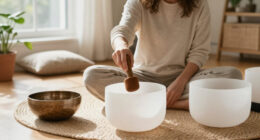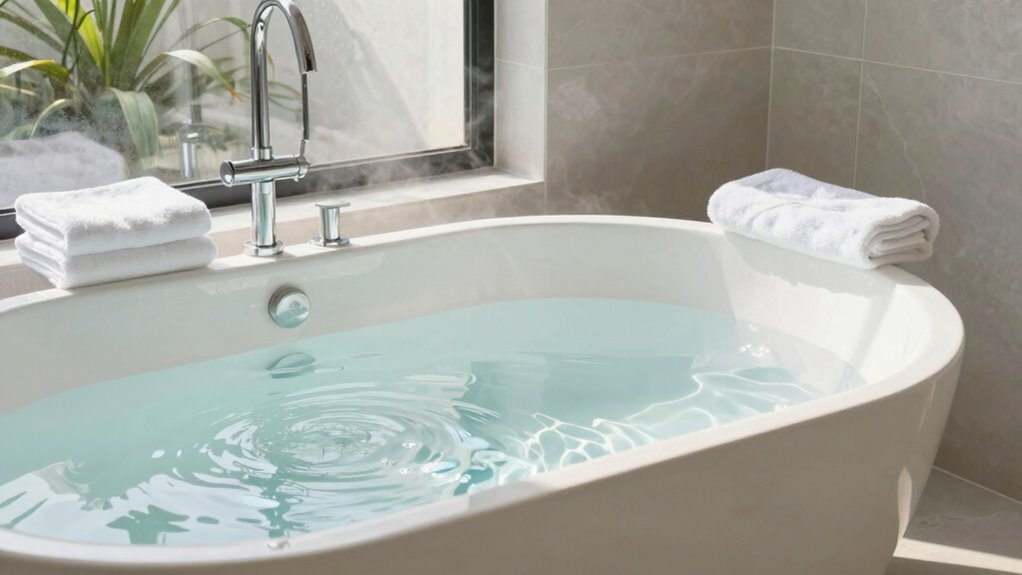

Hydrotherapy is becoming a normal part of your daily wellness routine, moving beyond luxury spas. Advances in technology make devices like heated pools, portable saunas, and massage units more affordable and accessible for home use. Many people now incorporate water-based treatments for better circulation, stress relief, and pain management. As more health professionals recognize its benefits, hydrotherapy is changing from an exclusive indulgence to an essential part of holistic health. Keep exploring to see how this shift continues to evolve.
Key Takeaways
- Advancements in affordable, portable hydrotherapy devices enable at-home use, making treatments accessible beyond luxury spas.
- Increased integration of hydrotherapy into daily routines for stress relief, pain management, and overall wellness.
- Growing recognition by health professionals as a beneficial complementary therapy for various health conditions.
- Technological innovations like customizable settings and immersive environments enhance user experience and effectiveness.
- The blending of ancient water therapies with modern science fosters wider acceptance and mainstream adoption.
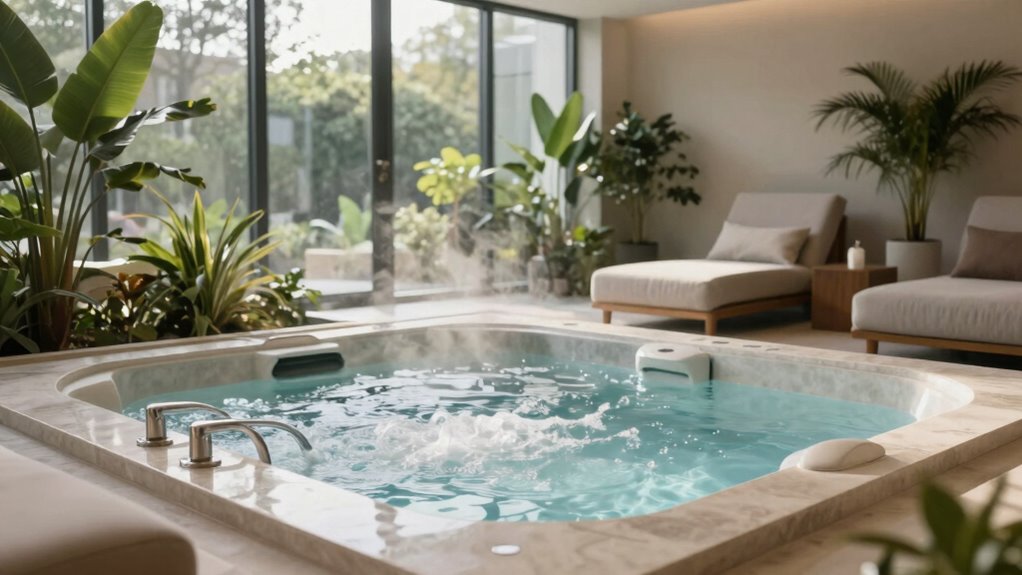
Have you noticed hydrotherapy gaining popularity beyond niche wellness circles? It’s no longer confined to luxury spas or high-end retreats. More people are discovering its benefits and integrating it into their daily routines, making it a mainstream wellness practice. This shift is driven by a blend of ancient techniques and modern innovations, which together make hydrotherapy accessible, effective, and appealing to a broad audience.
Ancient techniques form the foundation of hydrotherapy, with roots stretching back thousands of years. Cultures like the Romans, Japanese, and Egyptians used water for healing, incorporating methods such as hot and cold plunges, steam baths, and whirlpools into their health practices. These age-old traditions demonstrated water’s power to promote circulation, relieve pain, and foster relaxation—principles that still underpin hydrotherapy today. Over time, these techniques became part of holistic health systems, emphasizing the therapeutic potential of water. Additionally, the understanding of water’s physical properties has evolved, allowing modern practitioners to better tailor treatments to individual needs. Modern research into water’s physical properties continues to deepen our understanding of how water interacts with the body, leading to more effective treatments. As technology advances, so does the ability to customize hydrotherapy to suit specific health conditions or personal preferences.
Today, modern innovations are refining and expanding upon these ancient methods, making hydrotherapy more user-friendly and scientifically grounded. Advances in technology have led to the development of sophisticated hydrotherapy devices, such as adjustable whirlpools, heated pools with precise temperature controls, and even portable hydrotherapy tools. These innovations allow you to customize your experience, targeting specific ailments or simply enhancing relaxation. For example, infrared and hydro-massage features are now integrated into home units, providing spa-like benefits without leaving your house. This evolution makes hydrotherapy more convenient and practical, fitting seamlessly into your busy lifestyle. Moreover, home hydrotherapy equipment has become increasingly affordable and accessible, encouraging more people to incorporate water-based treatments into their daily health routines. The growing availability of accessible wellness technology contributes to its expanding popularity and ease of use.
The rise of at-home hydrotherapy solutions has played a significant role in its mainstream adoption. Now, you can incorporate water therapy into your daily routine with accessible equipment like foot baths, portable saunas, or specialized shower heads that simulate hydro-massage. These innovations enable you to enjoy the health benefits—improved circulation, reduced stress, and pain relief—without costly spa visits. Additionally, the development of high-quality projectors has made it easier to create an immersive relaxation environment at home. At the same time, health professionals increasingly recognize the science behind hydrotherapy, recommending it as a complementary treatment for conditions like arthritis, muscle soreness, or anxiety.
As hydrotherapy moves into the mainstream, it’s evolving from a luxury indulgence to an essential wellness practice. The combination of ancient wisdom and modern technology offers a holistic approach that appeals to a broad spectrum of people seeking natural, effective health solutions. Whether you’re looking to relax after a long day, recover from exercise, or manage chronic pain, hydrotherapy’s accessibility and proven benefits make it an increasingly integral part of everyday health routines. This ongoing integration signals a future where water-based therapy remains a crucial, mainstream wellness element.
Frequently Asked Questions
How Affordable Is Incorporating Hydrotherapy Into Daily Routines?
Incorporating hydrotherapy into your daily routine can be quite affordable, especially with recent accessibility improvements and cost analysis. You can start with simple options like foot soaks or portable massagers, which are budget-friendly. As you explore more, investing in home hydrotherapy equipment becomes more practical. Overall, with smart choices and gradual investments, you can enjoy the benefits without breaking the bank, making hydrotherapy an accessible part of your wellness routine.
Are There Any Health Risks Associated With Regular Hydrotherapy Use?
Yes, there are some health risks with regular hydrotherapy, especially if you have sensitive skin or use incorrect water temperatures. Too hot water can cause burns or dehydration, while cold water might lead to shock or discomfort. If you have skin sensitivities, certain treatments could trigger irritation. Always consult a healthcare professional before starting regular hydrotherapy, and guarantee water temperature is safe and comfortable for your skin type.
Can Hydrotherapy Help With Specific Medical Conditions?
Hydrotherapy can be like a gentle touch for your body, especially when it comes to specific medical conditions. Hydrotherapy research shows it’s effective for arthritis, muscle pain, and circulation issues. Its medical applications include reducing inflammation and improving mobility. By stimulating blood flow and relaxing tense muscles, hydrotherapy offers a natural, non-invasive way to manage symptoms, making it a valuable addition to your health routine.
What Training Is Required to Operate Hydrotherapy Equipment Safely?
To operate hydrotherapy equipment safely, you need specialized training, typically through a hydrotherapy certification program. This certification guarantees you understand proper techniques, safety protocols, and patient care. You’ll also learn about equipment maintenance to prevent malfunctions and guarantee hygiene. With proper training, you can confidently manage hydrotherapy sessions, prioritize safety, and provide effective treatment, making hydrotherapy a beneficial and safe experience for your clients.
How Do Different Hydrotherapy Techniques Vary in Benefits?
They say variety is the spice of life, and the same applies to hydrotherapy modalities. Different techniques, like cold plunges versus warm water massages, offer varied benefits. Water temperature plays a vital role—hot water relaxes muscles and boosts circulation, while cold water reduces inflammation and invigorates. By adjusting these modalities, you target specific health needs, making hydrotherapy a versatile tool for healing and relaxation.
Conclusion
As you embrace hydrotherapy as a daily ritual, you’ll find it’s no longer a mere luxury reserved for palaces or Victorian bathhouses. It’s becoming a staple in wellness routines, blending ancient wisdom with modern science—kind of like how the wheel transformed transportation centuries ago. Now, with accessible facilities and personalized treatments, you can enjoy its benefits anytime, anywhere. Hydrotherapy’s journey from regal indulgence to everyday comfort proves that self-care, much like the wheel, is a timeless necessity.
Products Worth Considering
home hydrotherapy massage device
As an affiliate, we earn on qualifying purchases.
As an affiliate, we earn on qualifying purchases.