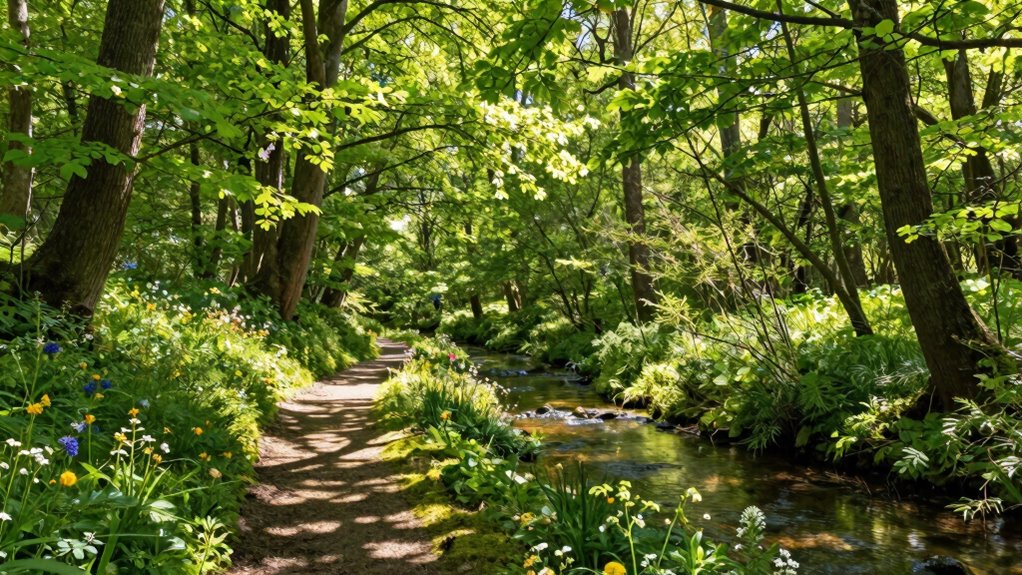

Spending time in forests boosts your whole-body health by calming your nervous system, reducing stress hormones, and improving emotional resilience. It encourages physical activity like walking or hiking, which benefits your cardiovascular health and strengthens muscles. Being in nature also boosts your immune system through exposure to phytoncides released by trees and enhances respiratory function. Plus, natural sunlight helps your body produce vitamin D. Keep exploring to discover how these benefits work together for your well-being.

Turn your quiet moments into listening time
- Thousands of audiobooks, podcasts and originals
- Listen on your phone, tablet or Echo — also offline
- Cancel anytime
Key Takeaways
- Forest time reduces stress hormones, supporting both mental and cardiovascular health.
- Exposure to natural environments boosts immune function and enhances respiratory health.
- Walking or hiking in forests promotes physical fitness and muscle strength.
- Mindfulness in nature improves emotional regulation and mental resilience.
- Natural sunlight exposure aids vitamin D synthesis, benefiting overall vitality.
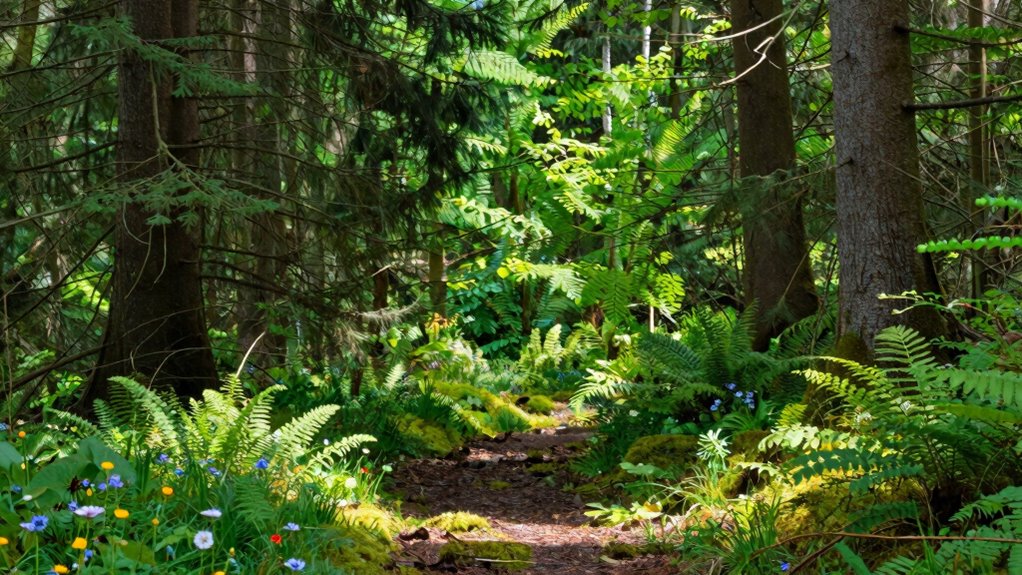
Have you ever wondered how spending time in nature can boost your overall health? When you immerse yourself in the sights, sounds, and smells of a forest, you’re engaging in what’s often called nature therapy. Nature therapy helps reduce stress hormones, calms your nervous system, and clears mental clutter. As you walk among trees, breathe in fresh air, and listen to the gentle rustling leaves, your brain begins to unwind from daily pressures. This mental reset isn’t superficial—it fosters a durable form of mental resilience, making it easier to handle challenges outside the forest.
Spending time in nature reduces stress, resets your mind, and builds lasting mental resilience.
Being in nature encourages mindfulness, which enhances your awareness of the present moment. When you focus on your surroundings—the texture of bark, the chorus of bird calls, the warmth of sunlight—you shift your attention away from worries and negative thoughts. This mindfulness practice, supported by nature therapy, rewires your brain to respond more adaptively to stressors. Over time, this can lead to improved emotional regulation and a stronger sense of calm, which are essential components of mental resilience. The natural environment acts as a restorative space, helping you recover from mental fatigue and emotional exhaustion. Incorporating natural landscapes into your routine amplifies these benefits, making your experience even more restorative.
Beyond mental benefits, spending time in forests supports your physical health by promoting movement and exposure to clean air. Walking or hiking on forest trails boosts cardiovascular health, strengthens muscles, and enhances overall fitness. The air in forests is rich in phytoncides—antimicrobial compounds released by trees—that boost your immune system. These substances increase your white blood cell count, helping your body fight off illnesses more effectively. Additionally, the calming effect of nature reduces blood pressure and lowers cortisol levels, the stress hormone, contributing to better heart health. clean air quality is a vital factor that enhances these physical health benefits, as it allows your respiratory system to function optimally. Interestingly, the use of vetted products like fake fireplaces can help create a cozy atmosphere indoors when outdoor time isn’t possible, supporting your mental relaxation.
Your body and mind are interconnected, and spending time in forests naturally encourages a holistic approach to health. The quiet, natural environment provides a break from screens and noisy urban life, allowing you to reconnect with yourself. This reconnection can improve sleep quality, elevate mood, and even boost your creativity. As you nurture your mental resilience through consistent exposure to nature therapy, you’re also supporting your body’s ability to recover and stay resilient against physical ailments. Incorporating natural sunlight into your routine is essential, as it plays a key role in vitamin D synthesis and overall well-being. Ultimately, making regular time for forest visits isn’t just a leisure activity—it’s a crucial practice for maintaining whole-body health, integrating physical vitality with mental strength.
Frequently Asked Questions
How Often Should I Spend Time in the Forest for Health Benefits?
You should aim for at least once a week to experience the benefits of forest therapy and nature immersion. Spending regular time in the forest helps reduce stress, boost your immune system, and improve mental clarity. Even brief visits of 20-30 minutes can make a difference, but longer sessions deepen the benefits. Consistency is key, so make forest time a regular part of your routine for maximum whole-body health.
Can Forest Visits Improve Mental Health in Children?
Can forest visits reduce child anxiety and boost mental health? Absolutely. Nature therapy helps children connect with the natural world, calming their minds and reducing stress. Spending time in forests provides a peaceful environment, which can improve mood and focus. As a result, children become more resilient against anxiety. Regular outdoor adventures strengthen emotional well-being, making forest visits an essential tool for nurturing healthy, balanced minds in kids.
Are There Specific Types of Forests That Are More Beneficial?
Tropical rainforests and boreal forests both offer unique benefits, but tropical rainforests tend to be more beneficial due to their high biodiversity, lush greenery, and rich ecosystems that promote relaxation and reduce stress. Boreal forests are calming too, with their serene, open landscapes. Your best choice depends on your preferences; however, immersing yourself in vibrant, diverse environments like rainforests can maximize mental and physical health benefits.
How Does Forest Time Compare to Urban Green Spaces?
Forest time offers deeper benefits than urban green spaces due to richer urban biodiversity and the practice of forest therapy. In forests, you experience more immersive nature, which enhances relaxation and boosts immune function. Urban green spaces provide some benefits, but they lack the biodiversity and tranquility of forests. Spending time in forests allows you to disconnect more effectively, promoting whole-body health through increased mindfulness, reduced stress, and stronger immune responses.
What Are the Recommended Activities During Forest Visits?
During forest visits, you should engage in activities like nature immersion and trail exploration. Take time to breathe deeply, observe wildlife, and listen to the sounds around you, fully immersing yourself in nature. Explore different trails at a relaxed pace to connect with your environment. These activities boost mental clarity, reduce stress, and promote overall well-being, making your forest experience both invigorating and restorative.
Conclusion
Spending time in forests isn’t just relaxing—it’s a powerful boost for your whole body. Research shows that just 20 minutes among trees can lower cortisol levels, reduce blood pressure, and improve mood. So, next time you need a reset, head outdoors. Nature’s healing power is right there waiting, ready to support your health from head to toe. Make forest time a regular part of your routine—you’ll feel the difference every day.
Products Worth Considering
As an affiliate, we earn on qualifying purchases.