

Breathwork influences your body’s stress response by activating the relaxation part of your nervous system, specifically the parasympathetic branch. When you consciously slow and deepen your breath, you send calming signals to your brain, lowering heart rate and stress hormones like cortisol. This reduces feelings of tension and anxiety, helping you feel more relaxed. If you want to discover how specific breathing techniques can boost your stress resilience, keep exploring these effective methods.

Turn your quiet moments into listening time
- Thousands of audiobooks, podcasts and originals
- Listen on your phone, tablet or Echo — also offline
- Cancel anytime
Key Takeaways
- Breathwork activates the parasympathetic nervous system, promoting relaxation and reducing stress responses.
- Slow, deep breathing decreases heart rate and cortisol levels, calming the body’s stress signals.
- Intentional breathing signals safety to the brain, helping to regulate the autonomic nervous system.
- Focused breath awareness diminishes rumination and anxiety, fostering mental calmness.
- Regular practice rewires stress response mechanisms, enhancing overall resilience to stress.
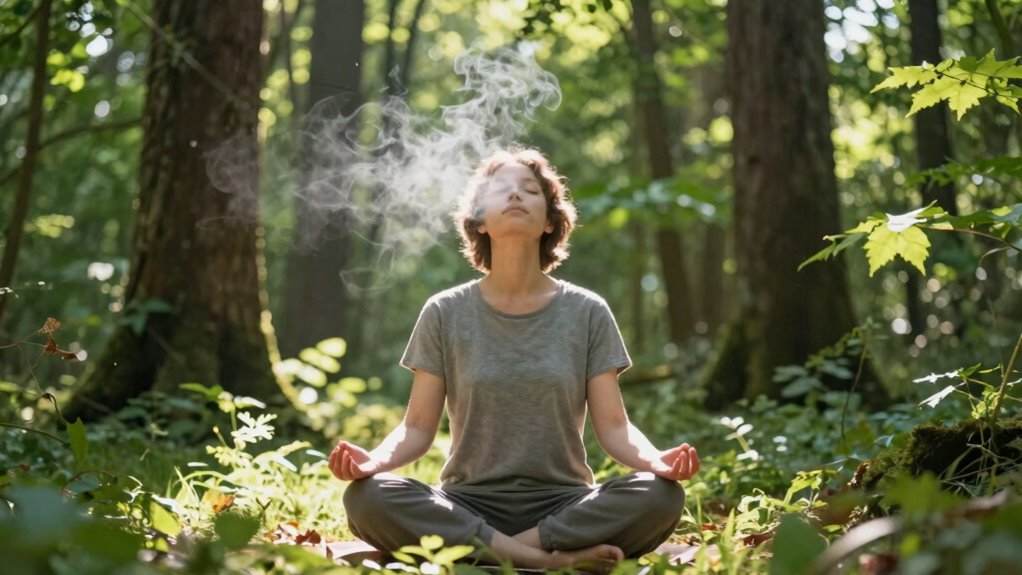
Have you ever wondered how your breath can influence your stress levels? It’s a simple question, but the answer reveals powerful insights into how your body responds to stress and how you can actively manage it. When you practice mindfulness techniques centered around your breath, you tap into your body’s natural ability to regulate physiological responses. Breathing intentionally isn’t just about oxygen; it’s a tool that influences your nervous system, helping you shift from a state of high alert to one of calm and clarity.
Your body reacts to stress through a series of physiological responses, primarily driven by the autonomic nervous system. When you’re stressed, your sympathetic nervous system kicks in, triggering the “fight or flight” response. This causes increased heart rate, rapid breathing, muscle tension, and a flood of stress hormones like adrenaline and cortisol. These reactions are natural, but prolonged activation can take a toll on your health. That’s where breathwork comes in—by consciously controlling your breathing, you can activate your parasympathetic nervous system, which promotes relaxation and recovery.
Controlling your breath activates relaxation, helping counteract stress responses and promote recovery.
Mindfulness techniques involve paying close attention to your breath, observing its rhythm without trying to change it initially. As you become more aware, you can incorporate slow, deep breaths, which send signals to your brain that it’s safe to relax. This process helps modulate your physiological responses, reducing heart rate and lowering cortisol levels. When you slow your breath, you effectively send a calming message to your nervous system, counteracting the stress response and fostering a sense of control over your emotional state.
Furthermore, intentional breathwork enhances your ability to stay present, which diminishes the tendency to ruminate on worries that escalate stress. As you focus on each inhalation and exhalation, you anchor yourself in the moment, creating a mental space that interrupts the cycle of mounting anxiety. Over time, this practice rewires your body’s response to stress, making relaxation more accessible even during challenging situations. Understanding the breathing science behind this process can help you refine your technique for better results.
Incorporating knowledge about autonomic nervous system function reveals how integral your breathing patterns are to managing stress responses, further emphasizing the importance of intentional breathwork in daily life.
Frequently Asked Questions
Can Breathwork Replace Traditional Stress Management Techniques?
Breathwork can complement traditional stress management techniques but isn’t likely to fully replace them. It’s an effective alternative therapy that enhances relaxation and mental clarity, often used alongside meditation methods. You might find breathwork useful for quick stress relief or deepening your overall wellbeing. However, for chronic stress, combining it with other therapies like counseling or exercise provides a more all-encompassing approach to managing your stress effectively.
How Quickly Can I Expect to See Stress Reduction Benefits?
You’ll likely notice some physiological responses and emotional effects within minutes of practicing breathwork, making it seem almost too good to be true. While those calming sensations can arrive quickly, lasting stress reduction often takes consistent practice over days or weeks. So, don’t expect miracles overnight, but with dedication, you’ll start feeling calmer and more in control sooner than you might think.
Are There Specific Breathwork Techniques for Anxiety?
Yes, specific breathwork techniques can help with anxiety. You should focus on breath awareness and diaphragmatic breathing, which involves deep, slow breaths into your belly. Practice inhaling deeply through your nose, feeling your abdomen expand, then exhaling slowly through your mouth. These techniques calm your nervous system, reduce anxiety, and improve overall emotional regulation. Regular practice makes it easier to manage anxiety symptoms in stressful moments.
Is Breathwork Safe for Everyone, Including Those With Health Issues?
Sure, breathwork’s a miracle—until your health considerations remind you it’s not one-size-fits-all. While generally safe, it’s essential to check contraindications, especially if you have health issues like heart problems or respiratory conditions. Don’t assume it’s risk-free; consult your healthcare provider first. Safety isn’t just a buzzword; it’s your best friend when exploring new techniques. Remember, even the best breath can be harmful if it’s not right for you.
How Often Should I Practice Breathwork for Optimal Results?
You should practice breathwork daily or at least several times a week for ideal results. Focus on breath awareness and diaphragmatic breathing to deepen relaxation and reduce stress. Consistency is key—you’ll notice greater calmness and stress relief over time. Start with 5-10 minutes per session, gradually increasing as you become more comfortable. Regular practice helps your body better manage stress and enhances overall well-being.
Conclusion
By practicing breathwork regularly, you can considerably reduce stress and boost your overall well-being. Did you know that deep breathing exercises can lower cortisol levels—the stress hormone—by up to 30%? Incorporating simple breathwork techniques into your daily routine helps you stay calm and centered, even during hectic moments. So, take a deep breath, relax, and remember that just a few minutes of mindful breathing can make a powerful difference in your stress levels.
Products Worth Considering
As an affiliate, we earn on qualifying purchases.