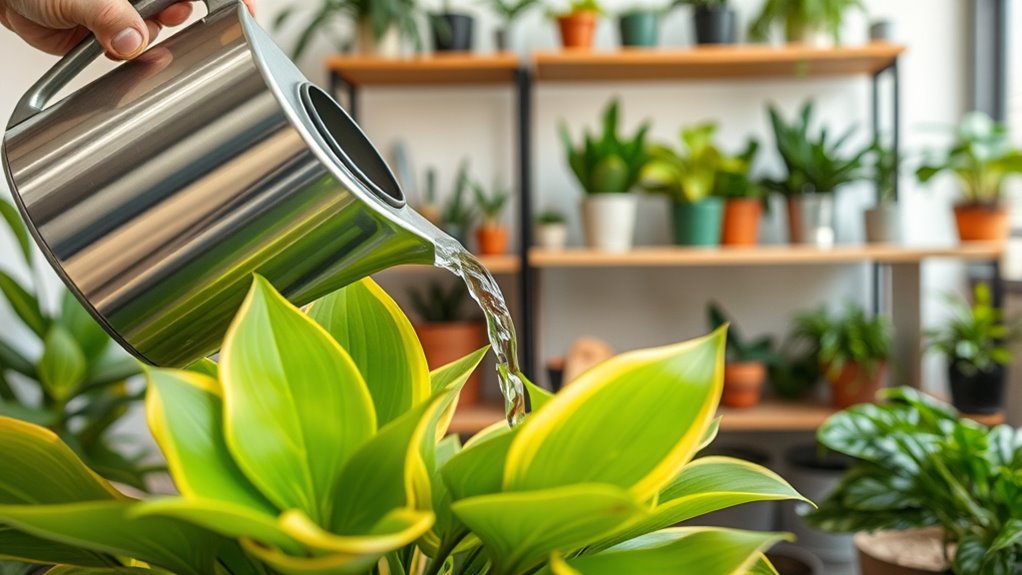

To troubleshoot common houseplant issues, start by inspecting your plant’s watering habits. Overwatering leads to root rot and yellowing leaves, while underwatering causes crispy foliage and stunted growth. Check soil moisture and guarantee proper drainage. Look for pests like spider mites or aphids and treat infestations early with gentle wipes, neem oil, or insecticidal soap. Regular maintenance and attentive care help prevent these problems, and understanding your plant’s specific needs can save you time and stress ahead.
Key Takeaways
- Check soil moisture regularly and adjust watering based on plant needs and season.
- Inspect plants for pests like spider mites, aphids, or mealybugs, and treat promptly.
- Ensure pots have proper drainage to prevent overwatering and root rot.
- Look for signs of underwatering, such as crispy leaves, and water thoroughly when needed.
- Maintain a consistent routine and monitor plants closely to catch issues early.
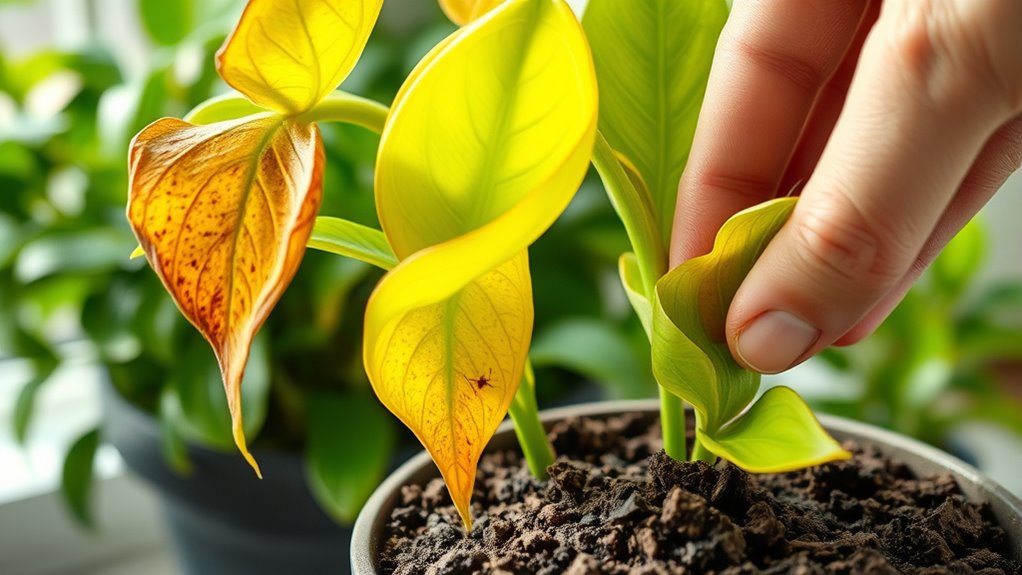
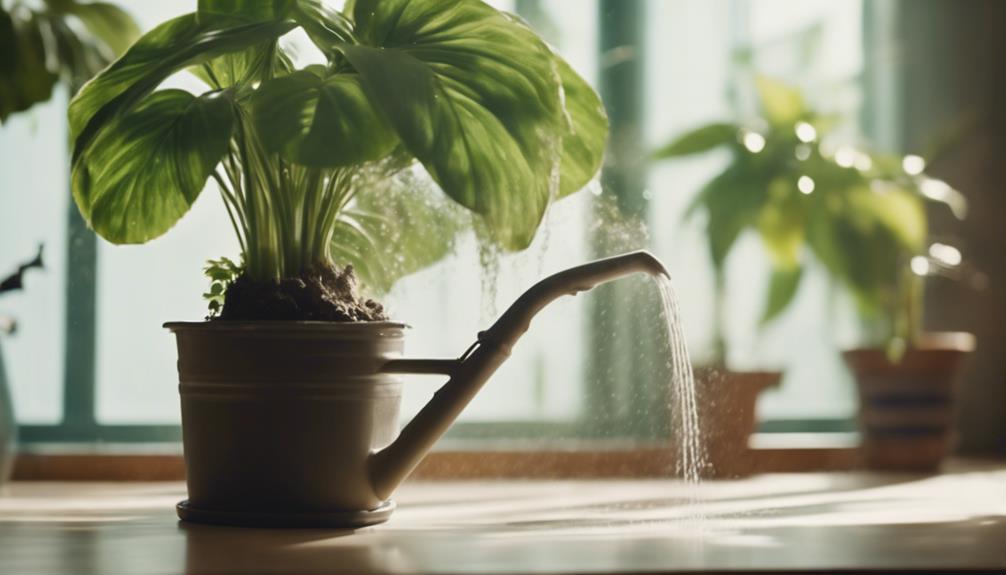
Caring for houseplants can sometimes be challenging, especially when they show signs of distress. One of the most common issues you’ll encounter involves watering problems. Overwatering can cause the roots to rot, leading to yellowing leaves and a droopy appearance. Conversely, underwatering results in dry, crispy foliage and stunted growth. To avoid these issues, always check the soil moisture before watering. Stick your finger about an inch into the soil; if it feels dry, it’s time to water. Make certain your pot has proper drainage holes so excess water can escape, preventing water from sitting at the bottom and suffocating the roots. When watering, do so thoroughly until you see water drain out of the bottom, then empty the saucer to prevent the plant from sitting in stagnant water. Adjust your watering schedule based on the plant’s specific needs, season, and indoor environment, since some plants prefer consistently moist soil, while others thrive in drier conditions. Proper watering techniques are essential for preventing issues like root rot and dehydration.
Another common problem is pest identification. Pests like spider mites, aphids, mealybugs, and scale insects can quickly infest your houseplants, causing damage and stress. If you notice tiny webs, sticky residue, or small moving insects on your plant, it’s time to act. Regularly inspect your plants, especially underneath leaves and around the stem base, where pests tend to hide. Identifying pests early makes treatment easier and more effective. For minor infestations, you can wipe down the leaves with a damp cloth or spray the plant with a gentle neem oil solution. For more severe infestations, consider applying insecticidal soap or horticultural oil, making sure to follow the product instructions carefully. Removing pests promptly not only saves the plant but also prevents the spread to other houseplants.
In both cases—watering issues and pest identification—early detection is key. Pay close attention to your plant’s appearance and behavior, as changes often signal underlying problems. Adjust your watering habits accordingly to keep the soil in ideal condition, and stay vigilant for pests to nip infestations in the bud. Maintaining a consistent routine of inspection and care will help your houseplants thrive, reducing the likelihood of more serious issues developing. Remember, understanding your plant’s specific needs and habits is essential for troubleshooting effectively and keeping your indoor garden healthy and vibrant. Additionally, understanding the importance of proper watering techniques can significantly improve your success in houseplant care.
Frequently Asked Questions
How Often Should I Repot My Houseplants?
You should repot your houseplants every 1 to 2 years, depending on their size and growth rate. Larger plants may need repotting sooner, especially if roots start circling the pot or water drains quickly. Check your plant’s health regularly, and repot when you notice the roots are crowded or growth slows. A proper repotting schedule keeps your plants healthy and encourages vibrant growth.
What Are Natural Remedies for Pest Infestations?
Did you know that beneficial insects like ladybugs can reduce pest populations by up to 90%? For natural remedies, introduce beneficial insects to your plants or use organic pesticides like neem oil and insecticidal soap. These options target pests effectively without harming your houseplants or the environment. Regularly inspect your plants and act quickly at the first sign of pests to keep your houseplants healthy and pest-free naturally.
How Can I Improve Humidity for My Plants?
To improve humidity levels for your plants, you can use misting techniques regularly to increase moisture around them. Group your plants together to create a microenvironment with higher humidity. Place a humidity tray with water and pebbles beneath your plants, ensuring the pots sit above the water. Using a humidifier nearby also helps maintain consistent humidity levels, making your plants thrive in a more humid environment.
When Is the Best Time to Prune Houseplants?
Perfect pruning prompts proper plant progress. You should prune houseplants during their active growth stages, typically in spring or early summer, when plants are best prepared for new beginnings. Use sharp pruning tools to make clean cuts, preventing damage and disease. Avoid pruning during dormancy or stressful times. By pruning at the right time, you encourage healthy growth, maintain shape, and promote vibrant energy in your houseplants.
How Do I Identify Nutrient Deficiencies?
You can identify nutrient deficiencies by observing your plant’s symptoms, like yellowing leaves or stunted growth. To be sure, perform soil testing to check nutrient levels, and consider foliar feeding with a balanced fertilizer for quick results. Keep an eye on changes after these interventions—improvement suggests deficiencies were present. Regular monitoring helps you catch issues early and maintain healthy, thriving houseplants.
Conclusion
Remember, a healthy houseplant is worth the patience you put into it. When issues arise, take the time to diagnose and adjust your care routine. In gardening, as in life, “a stitch in time saves nine”—address problems early before they worsen. With a little attention and effort, your plants will thrive and brighten your home. Keep learning, stay attentive, and enjoy the rewarding journey of nurturing your green companions.