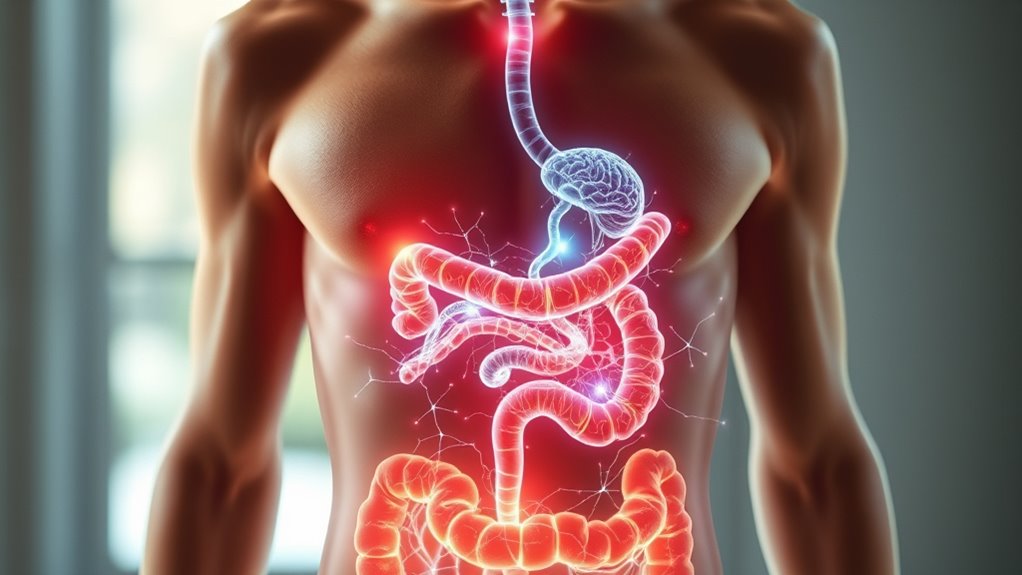

Understanding the gut-brain connection shows how your digestive health impacts your mental well-being. A balanced microbiome sends positive signals, producing mood-regulating chemicals like serotonin, most of which is made in the gut. When your microbiome is disrupted by poor diet, stress, or antibiotics, it can cause mood swings, anxiety, or depression. Maintaining a healthy gut through nutrition, lifestyle, and habits is key. Keep exploring to learn more about how caring for your gut boosts your mind.

Get books, candles and calm essentials delivered free — and shop member deals
- Fast, free delivery on millions of items
- Access to Prime Big Deal Days deals on October 6–7
- Prime Video, Amazon Music and more included
Key Takeaways
- The gut hosts a diverse microbiome that influences brain function through signaling and chemical production.
- About 90% of serotonin, a mood-regulating neurotransmitter, is produced in the gut.
- A healthy microbiome maintains the gut barrier, preventing inflammation that can affect mental health.
- Lifestyle factors like diet, exercise, and stress management directly impact gut health and emotional well-being.
- Supporting gut health through proper nutrition and habits enhances mood, focus, and overall mental resilience.

The gut-brain connection is a powerful link that influences your mental health, mood, and overall well-being. At the core of this connection lies your microbiome health—the diverse community of bacteria, viruses, and fungi residing in your digestive system. When your microbiome is balanced and thriving, it sends positive signals to your brain, supporting better mental well-being. Conversely, an imbalanced microbiome, often caused by poor diet, stress, or antibiotics, can disrupt this communication, leading to mood swings, anxiety, or even depression. Recognizing the importance of microbiome health helps you understand how deeply your gut influences your mental state.
Your gut produces many of the chemicals that regulate your mood, including neurotransmitters like serotonin, which is often called the “feel-good” hormone. Surprisingly, about 90% of serotonin is made in your gut, not your brain. When your microbiome is healthy, it supports the production of these mood-enhancing chemicals, making you feel more balanced and resilient to stress. On the other hand, if your gut flora is compromised, it can hinder the production of these crucial chemicals, leaving you feeling anxious, irritable, or fatigued. This connection highlights the importance of maintaining microbiome health through proper nutrition, probiotics, and lifestyle choices to support your mental well-being.
Furthermore, your gut acts as a barrier, preventing harmful substances from entering your bloodstream and causing inflammation, which has been linked to mental health disorders. Chronic inflammation can impair brain function, exacerbate anxiety, or contribute to depression. When your microbiome is healthy, it helps maintain this barrier and reduces inflammation, supporting a clearer mind and steadier mood. You can influence this process by consuming fiber-rich foods, fermented foods, and avoiding excessive processed foods or sugar, all of which promote a balanced microbiome and enhance your mental well-being. Additionally, research into sound healing science suggests that certain frequencies may influence gut health and overall relaxation, further supporting mental resilience.
Understanding this connection empowers you to take proactive steps toward nurturing your gut health. Regular exercise, stress management, and adequate sleep all play roles in stabilizing your microbiome, directly impacting your emotional resilience. Recognizing how interconnected your gut and brain are allows you to view your mental health holistically and prioritize habits that support both your physical and emotional states. When your microbiome thrives, so does your mind, leading to improved mood, sharper focus, and overall better mental well-being. In essence, caring for your gut isn’t just about digestion; it’s a fundamental part of maintaining your mental health and leading a balanced, fulfilling life.
Frequently Asked Questions
Can Gut Health Affect Mental Health Disorders?
Yes, your gut health can influence mental health disorders. A diverse microbiome enhances microbiome diversity, which supports better neurotransmitter production, like serotonin and dopamine. When your gut flora is balanced, it helps regulate mood and reduce anxiety. Conversely, poor gut health can lead to decreased microbiome diversity, impairing neurotransmitter production and potentially worsening mental health issues. Taking care of your gut supports both physical and mental well-being.
How Quickly Can Gut Health Improvements Influence Brain Function?
You can notice improvements in brain function within days to weeks as your gut health improves. Dietary timing and consistent intake of gut-friendly foods promote microbial adaptation, which quickly influences brain chemistry. As your gut microbiome adjusts, you might experience better mood, focus, and mental clarity. Stay patient and persistent, because nurturing your gut can lead to faster mental health benefits than you expect.
Are There Specific Foods That Enhance the Gut-Brain Connection?
Yes, certain foods can boost your gut-brain connection. You should include fermented foods like yogurt, kefir, and sauerkraut, which introduce beneficial probiotics that support your gut health. Additionally, eating plenty of dietary fibers from fruits, vegetables, and whole grains helps feed good bacteria, promoting a healthy gut environment. These foods work together to enhance communication between your gut and brain, potentially improving mood, focus, and overall mental clarity.
Does Stress Directly Impact Gut Microbiota Diversity?
Stress impact can subtly influence your gut microbiota diversity, like a gentle ripple across a calm pond. When stress levels rise, they may disrupt the balance of beneficial bacteria, leading to decreased diversity. This shift can affect your overall well-being, impacting mood and digestion. By managing stress through relaxation techniques, you help maintain a resilient microbiota, fostering a healthier gut-brain connection and supporting your mental and physical health.
Can Probiotics Improve Cognitive Performance?
Yes, probiotics can improve cognitive performance. Specific probiotic strains, like Lactobacillus and Bifidobacterium, have shown potential for cognitive enhancement by reducing inflammation and balancing gut microbiota. When you incorporate these strains into your diet, you may notice better memory, focus, and mood. Consistent use of targeted probiotics supports your gut-brain axis, ultimately helping you achieve improved mental clarity and overall cognitive health.
Conclusion
Now that you understand how your gut and brain are linked, you realize they’re two peas in a pod. Taking care of your gut isn’t just about digestion—it impacts your mood, focus, and overall well-being. Remember, a healthy gut can make a world of difference, so don’t overlook it. Keep in mind, you are what you eat, and nurturing your gut is the first step toward a healthier, happier mind and body.
Products Worth Considering
As an affiliate, we earn on qualifying purchases.