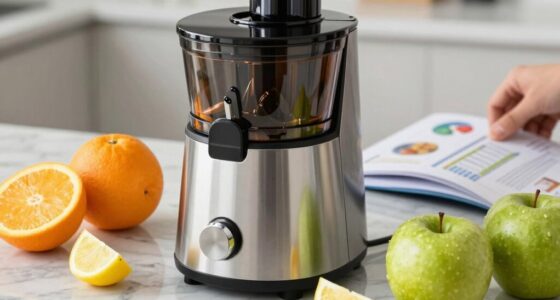

Focusing on better tools can make healthy cooking much easier and more enjoyable. When you have the right equipment—like ergonomic utensils, quality storage, and efficient appliances—you reduce physical strain and streamline meal prep. Organized, well-designed spaces encourage healthier choices and make cooking less stressful. Instead of strict rules, investing in helpful tools creates a supportive environment where healthy habits thrive. Keep exploring to discover how optimized tools can transform your kitchen and your approach to healthy eating.

Turn your quiet moments into listening time
- Thousands of audiobooks, podcasts and originals
- Listen on your phone, tablet or Echo — also offline
- Cancel anytime
Key Takeaways
- High-quality, ergonomic tools make healthy meal prep easier and more enjoyable, encouraging better eating habits.
- Organized kitchen setups reduce effort and stress, supporting consistent healthy cooking routines.
- Efficient appliances streamline complex tasks, saving time and motivating from-scratch, nutritious meals.
- Proper cookware and utensils promote healthier cooking methods with less oil and better ingredient control.
- An optimized environment minimizes barriers, making nutritious choices more accessible and sustainable.
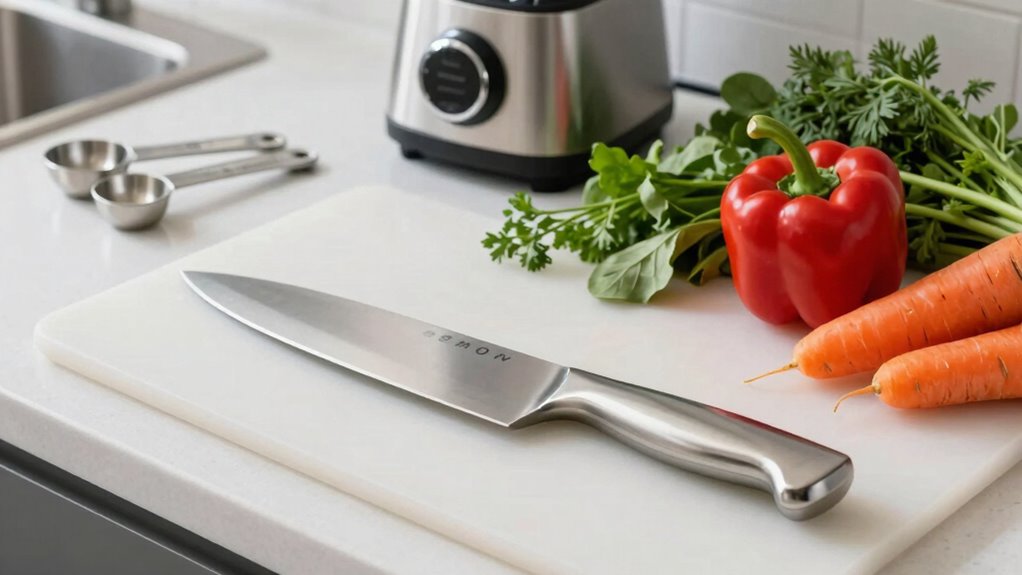
Many people believe that healthier cooking requires strict rules and restrictions, but in reality, it starts with choosing better tools. Your kitchen setup and the utensils you use can make a huge difference in how efficiently and safely you prepare nutritious meals. When you invest in the right tools, you’ll find meal prep becomes faster, more enjoyable, and less stressful. Instead of imposing rigid rules on what you can or can’t eat, focus on creating a space that encourages healthy habits through smart equipment and thoughtful organization.
Choosing the right tools and organization makes healthy cooking easier and more enjoyable.
One of the most overlooked aspects of healthier cooking is kitchen ergonomics. If your kitchen is poorly arranged, it can lead to fatigue, discomfort, and even injuries, which discourages consistent meal prep. For example, using a comfortable, adjustable-height cutting board or a well-designed knife set reduces strain on your wrists and shoulders. When your tools are ergonomically sound, you’re more inclined to spend time preparing fresh ingredients rather than avoiding cooking altogether. Proper placement of frequently used items, like oils, spices, and utensils, also minimizes unnecessary movement, making your cooking process more seamless. This setup boosts your efficiency and helps you stick to your healthy eating goals without feeling overwhelmed. Additionally, ergonomic kitchen design can significantly improve your overall cooking experience by reducing physical strain and increasing comfort.
Meal prep becomes much easier when you have the right containers and appliances. Investing in quality, stackable storage solutions keeps your fridge organized and saves time during busy mornings or weeknights. When you can quickly see what you have prepped, it’s easier to make healthy choices rather than defaulting to takeout or processed snacks. Additionally, tools like fast blenders, food processors, and slow cookers simplify complex tasks, encouraging you to make from-scratch meals that are both nutritious and satisfying. These tools support your goal of eating healthier without turning cooking into a chore. Ensuring your kitchen ergonomics are optimized can further enhance your comfort and efficiency, making healthy cooking a natural part of your routine. Paying attention to proper organization can also reduce clutter, making your workspace more inviting and functional. Incorporating smart appliances can further streamline your meal prep process and help maintain a consistent healthy eating routine.
Your choice of cookware also impacts your health. Non-toxic, durable pots and pans with even heat distribution help you cook with less oil and avoid harmful chemicals. A well-designed set of utensils minimizes the effort needed to flip, stir, or serve your meals, making the overall experience more pleasant. When your tools feel good in your hand, you’re more likely to spend time experimenting with new recipes and ingredients.
In the end, healthier cooking isn’t about strict rules; it’s about creating a kitchen environment that supports your habits. Better tools and ergonomic design remove barriers, making it easier to enjoy preparing nutritious meals. Focus on optimizing your space and equipment, and you’ll naturally find yourself making smarter food choices every day.
Frequently Asked Questions
How Can I Choose the Best Cooking Tools for Healthy Meals?
To choose the best cooking tools for healthy meals, focus on tools that improve your cooking techniques and ingredient preparation. Look for non-toxic, durable options like stainless steel or ceramic cookware, which promote healthier cooking methods like steaming or sautéing. Invest in sharp knives for precise chopping, and consider versatile tools like steamers or blenders. These choices make it easier to prepare nutritious ingredients and master healthy cooking techniques efficiently.
Are Non-Stick Pans Safe for Health?
Non-stick pans pose potential pitfalls with hazards like chemical coatings leaching into your food, sparking safety concerns. While these slick surfaces make cooking simple, the risk of non-stick hazards prompts caution. Overheating can damage coatings, releasing toxins. To stay safe, opt for alternatives like stainless steel or cast iron. By choosing sturdier tools, you prevent potential perils, ensuring healthy, hazard-free meals with peace of mind.
What Kitchen Gadgets Actually Save Time and Promote Healthy Cooking?
You’ll find that gadgets like food processors speed up meal prep, saving you time and effort. An immersion blender makes pureeing soups quick, while a steamer basket preserves nutrients and enhances flavor without added fats. A quality grill pan promotes healthy cooking by reducing oil use and adds smoky flavor. These tools help you prepare nutritious meals efficiently, making healthy eating easier and more enjoyable without sacrificing taste or prep time.
How Often Should I Replace My Cooking Utensils for Health Reasons?
You should replace your utensils every 1-2 years to maintain ideal utensil hygiene and prevent bacteria buildup. Imagine the faint smell of old plastic or the tiny cracks in worn-out wooden spoons—that’s when material durability is compromised. Regularly inspecting your tools keeps your kitchen safe and efficient, ensuring your utensils stay clean and sturdy, making healthy cooking both easy and enjoyable.
Can Using Certain Tools Improve Nutrient Retention in Foods?
Yes, using the right tools can improve nutrient retention by reducing food preservation time and minimizing nutrient degradation. For example, sharp knives help cut foods quickly, limiting oxygen exposure, while non-stick pans prevent nutrient loss during cooking. Choosing appropriate utensils guarantees gentle handling, preserving vitamins and minerals. This way, you maximize nutrient intake and enjoy healthier meals without compromising flavor or texture.
Conclusion
Remember, a chain is only as strong as its weakest link, and the same goes for your kitchen. Investing in better tools makes healthy cooking easier and more enjoyable, helping you stick to your goals without feeling deprived. Don’t fall into the trap of stricter rules that can backfire; instead, focus on quality tools that support your journey. After all, Rome wasn’t built in a day, but with the right tools, you’re well on your way.
Products Worth Considering
As an affiliate, we earn on qualifying purchases.