
TL;DR

Turn your quiet moments into listening time
- Thousands of audiobooks, podcasts and originals
- Listen on your phone, tablet or Echo — also offline
- Cancel anytime
A new exhibition features some of the oldest known tarot decks, dating back to the 15th and 16th centuries. Experts confirm their authenticity, providing a rare glimpse into early tarot history. The display highlights the decks’ cultural significance and evolving symbolism.
A new exhibition at the Museum of Cultural Heritage in Florence has unveiled some of the oldest known tarot decks to survive from the 15th and 16th centuries. The collections, confirmed authentic by experts, provide rare insight into early divination practices and the cultural context of their time. This development offers a tangible connection to the origins of tarot as a tool for spiritual and symbolic exploration.
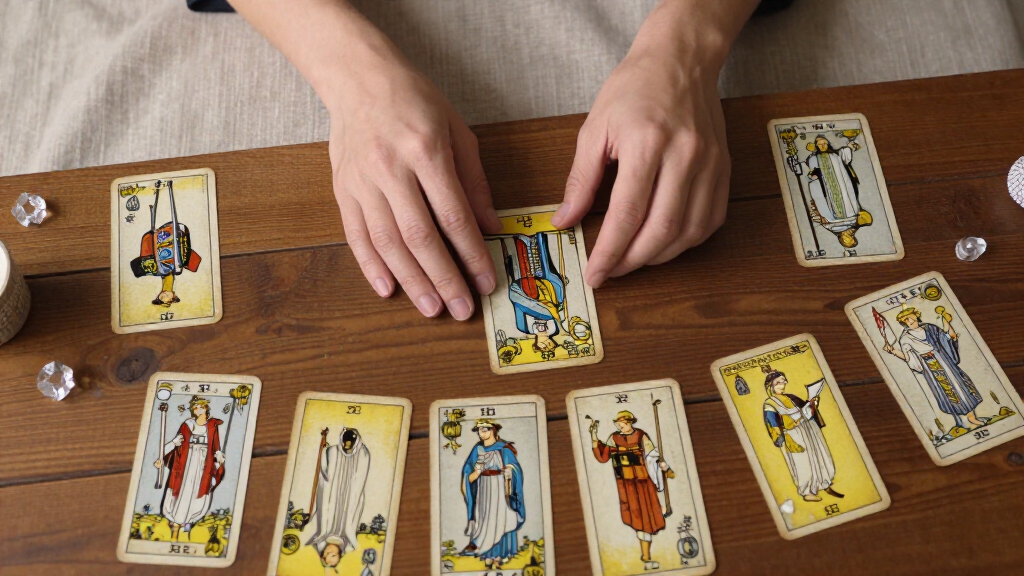
The exhibition features several tarot decks believed to be among the earliest in existence, including a 15th-century Italian deck and a 16th-century French set. These decks have been authenticated through rigorous analysis by art historians and conservators, confirming their age, origin, and craftsmanship. The decks display unique artistic styles and symbolism that differ from modern tarot, reflecting the cultural and religious influences of their respective periods.
Curators and experts involved in the project state that these decks were likely used for entertainment, divination, and spiritual rituals in noble courts and religious communities. The exhibition also includes detailed descriptions of the symbolism and historical context, highlighting how tarot evolved from playing cards and mystical traditions into a popular tool for personal insight.
Historical and Cultural Impact of Early Tarot Decks
The discovery and display of these ancient tarot decks matter because they offer concrete evidence of tarot’s origins and development over centuries. They help scholars understand how tarot’s symbolism has shifted and how it reflected the spiritual and social beliefs of the Renaissance and early modern periods. For enthusiasts, the decks provide a tangible link to the mystical practices of the past, enriching contemporary understanding of tarot’s cultural roots.
Evolution of Tarot from Medieval Cards to Modern Divination
Tarot cards originated in Europe during the 15th century, initially used as playing cards before becoming associated with mysticism and divination in the 18th and 19th centuries. Prior to this exhibition, only a limited number of decks from the earliest periods were known to survive, often kept in private collections or museums. Recent advances in conservation techniques and research have enabled experts to authenticate and study these rare decks, shedding new light on their artistic and symbolic features.
The exhibition builds on previous scholarly work but is considered a significant milestone due to the rarity and authenticity of the decks on display. It also coincides with growing public interest in the historical and spiritual dimensions of tarot, driven by contemporary popular culture and holistic practices.
“These decks are invaluable artifacts that reveal the spiritual and cultural landscape of Renaissance Europe. Their artistry and symbolism are unlike anything seen in modern tarot.”
— Dr. Maria Rossi, Art Historian
Remaining Questions About the Decks’ Usage and Origins
While experts agree on the decks’ age and authenticity, details about their specific use—whether for entertainment, divination, or religious rituals—remain speculative. Additionally, the exact origins and creators of some decks are still under investigation, with some suggesting links to particular regions or noble patrons. Further research is needed to clarify these aspects.Future Research and Exhibitions on Tarot’s Historical Roots
Scholars plan to conduct further analysis on the decks, including material studies and provenance research, to better understand their origins and usage. The museum intends to expand the exhibition with interactive displays and digital reconstructions to engage the public and academic audiences. Additionally, upcoming publications and conferences aim to explore the broader history of tarot and its cultural significance across different periods and regions.
Key Questions
How old are the oldest tarot decks on display?
The oldest decks are believed to date back to the 15th and 16th centuries, roughly 500 to 600 years old.
What makes these decks different from modern tarot cards?
They feature unique artistic styles, different symbolism, and were used in a different cultural context, often with religious or courtly associations.
How were the decks authenticated?
Experts used scientific analysis, including material testing and stylistic comparison, to confirm their age and origin.
Will these decks be available for public viewing again?
The current exhibition is ongoing, and future displays or loans to other institutions are possible depending on conservation and research needs.
What is the significance of these decks for modern tarot practitioners?
They provide historical context and insight into the symbolic evolution of tarot, enriching contemporary understanding and appreciation of the practice.
Source: rss
Products Worth Considering
As an affiliate, we earn on qualifying purchases.