TL;DR

Turn your quiet moments into listening time
- Thousands of audiobooks, podcasts and originals
- Listen on your phone, tablet or Echo — also offline
- Cancel anytime
Automatic pool cleaners come in three main types: robotic, suction-side, and pressure-side. Reviews focus on features like coverage, filtration, navigation, and reliability—helping you find a model that fits your pool and budget.
Imagine a pool that stays crystal clear without you lifting a finger. That’s the promise of an automatic pool cleaner. But with so many options flooding the market, how do you pick one that truly delivers?
This guide breaks down the main types of cleaners, what features matter most, and how to evaluate real-world performance. Whether you own a small above-ground or a sprawling in-ground oasis, you’ll find tips to cut through the marketing noise and make a confident choice.
Robotic pool cleaners with independent filtration and smart navigation cut manual cleaning time by up to 80%.
Choosing between corded and cordless models depends on pool size, debris load, and convenience preferences.
Pay attention to filtration micron ratings and cleaning coverage—what debris the cleaner can actually remove.
Recent trends favor app-controlled, battery-powered models with advanced sensors for smarter, more efficient cleaning.
A thorough review considers pool shape, debris type, and real-world testing, not just specs or brand reputation.
Which Type of Automatic Pool Cleaner Actually Works?
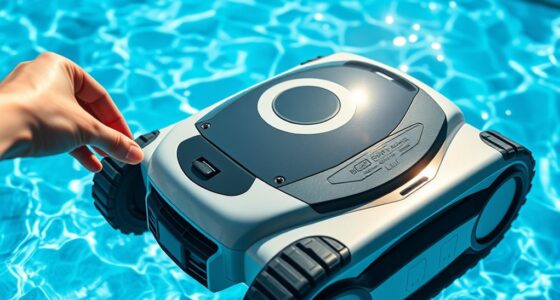
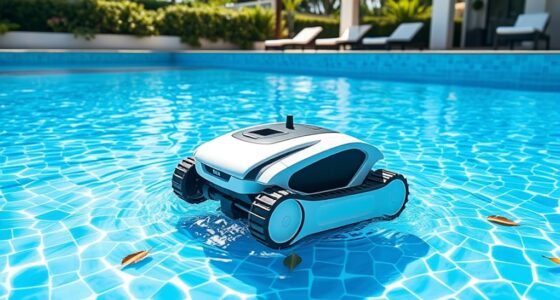
Robotic pool cleaners operate independently of your pool’s pump and filter, using onboard motors, filters, and sensors. They’re the most thorough, often cleaning floors, walls, and waterlines with ease. For example, a typical robotic cleaner like the Aiper Scuba S3 can run up to 240 minutes, scrubbing surfaces and trapping fine particles.
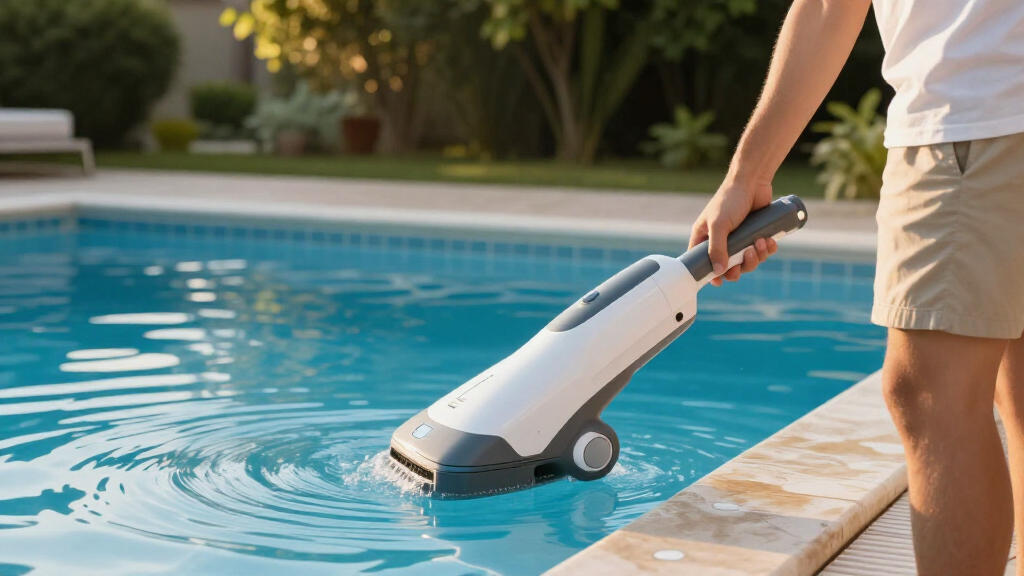
Suction-side cleaners connect to your skimmer or dedicated line. They rely on your existing pump, making them cheaper but sometimes less reliable around large debris. Pressure-side cleaners, often with their own bags and sometimes requiring a booster pump, excel at collecting leaves and larger debris.
Understanding these differences is crucial because it impacts cleaning efficiency, maintenance, and overall convenience. Robotic cleaners, while often more expensive upfront, can be more effective in thorough cleaning and require less manual intervention. Suction and pressure-side cleaners might be more budget-friendly but can struggle with complex pool shapes or heavy debris loads, leading to potential frustration or incomplete cleaning. The choice depends on your pool’s specific needs, debris type, and your willingness to invest in maintenance.
What Should You Really Look for in a Pool Cleaner?
Forget just specs. A good review tests cleaners in pools similar to yours. Watch for coverage—does it clean the floor, walls, and waterline? How well does it handle debris like leaves or fine dust? Navigation matters—does it map your pool or just randomly bump around?
Filtration is key—look for fine filters that trap pollen and silt, not just leaves. Ease of use counts too—how simple is setup, filter cleaning, and retrieval? Reliability depends on the motor, wheels, and software stability. And don’t forget the running costs—electricity, filter replacements, and repairs.
Choosing a cleaner without considering these factors can lead to incomplete cleaning, higher maintenance costs, or frustration. For example, a model that doesn’t effectively clean waterlines might require manual touch-ups, negating the convenience. Similarly, filters with micron ratings that are too large won’t trap fine debris, leading to cloudy water. Prioritizing these practical review criteria ensures you select a unit that delivers consistent, hassle-free performance tailored to your pool’s unique conditions.
Corded vs. Cordless: Which Robot Fits Your Pool?
Corded robots, like the Aiper Scuba S3, offer continuous power—great for large or demanding pools. They won’t run out mid-clean, but cables can tangle or restrict movement. Cordless models, like the WYBOT C2, eliminate cables, making setup quicker and easier. However, they run for about 100 to 180 minutes per charge, so shorter cycles are common.
Choosing depends on your pool size and how much you value convenience. For a small above-ground, cordless might be perfect, offering quick setup and portability. For larger, in-ground pools with extensive surface areas or heavy debris, a corded model provides uninterrupted power, ensuring thorough coverage without the worry of battery life. Keep in mind, the tradeoff is managing cords—potential tangles or restrictions—that could affect cleaning efficiency. Conversely, cordless models excel in ease of use but may require multiple charges or longer cleaning sessions to cover a large pool. Ultimately, balancing convenience against pool demands will guide your choice.
Latest Trends: What’s New in Automatic Pool Cleaners?
The market is shifting towards battery-powered, app-controlled models with smart navigation. Many now use gyroscopes and sensors to systematically clean pools, reducing missed spots. App connectivity lets you schedule cleanings, monitor status, and even control your cleaner remotely. For example, the WYBOT C2 offers up to 180 minutes of runtime with app controls.
Surface-specific brushes, multi-motor designs, and better filtration are becoming standard. Some cleaners now even support automated debris removal or surface parking. This technological evolution means pool cleaning is becoming more efficient, less labor-intensive, and more adaptable to different pool shapes and debris types. Investing in these advanced features can significantly reduce manual cleaning time and improve water quality, but they often come at a higher price point. Understanding these innovations helps you choose a model that offers the best combination of efficiency, convenience, and value for your specific needs.
Key Facts Every Pool Owner Should Know
Robotic cleaners don’t replace manual brushing or water testing. They loosen debris but won’t fix water chemistry issues. A cleaner designed for walls may not handle sharp corners or steep steps reliably. The length of a cleaning cycle doesn’t guarantee full coverage—shape and obstacles matter.
Fine debris needs filters rated at 3 microns or less. And, despite their independence, robots still require regular filter cleaning, maintenance, and proper storage to extend lifespan. Knowing these facts helps set realistic expectations and avoid costly mistakes.
For example, a robot with a short runtime might not complete the cleaning in one cycle, especially in larger pools, leading to the need for multiple sessions. Similarly, neglecting filter maintenance can reduce cleaning efficiency and damage the motor. Recognizing these practical insights ensures you plan for proper use and maintenance, maximizing your investment and keeping your pool pristine.
How to Pick the Perfect Pool Cleaner for Your Pool
Follow these steps:
- Identify your pool’s size, shape, and surface. Is it an in-ground with steps or an above-ground with a simple round shape?
- Determine common debris—leaves, pollen, fine silt—and pick a cleaner with suitable filtration.
- Decide between corded and cordless based on pool size and convenience preference.
- Read real-world reviews that test these models in pools similar to yours. Look for coverage, navigation, and ease of maintenance.
- Check warranty, parts availability, and repair support before buying.
Doing this prep helps you avoid buying a model that underperforms or isn’t compatible with your pool. Proper research ensures the cleaner you choose will not only work effectively but also last longer, saving you money and hassle in the long run.
The Top Picks for Different Pool Types and Needs
Every pool is different, so the best cleaner varies. For large in-ground pools with lots of leaves, a powerful corded robot like the Aiper Scuba S3 offers extensive coverage and consistent power, ensuring deep cleaning even in heavy debris conditions. For small above-ground pools, a lightweight cordless model such as the WYBOT C2 provides quick, hassle-free cleaning, ideal for smaller surfaces and less debris load.
If you want to focus on waterline and wall scrubbing, look for models with explicit waterline cleaning and active brushes—these can prevent algae buildup and improve overall water quality. Budget-conscious owners might prefer simpler suction-side cleaners, but they often require more frequent filter maintenance and manual intervention. Heavy debris and algae? Consider a model with dual filters and strong suction power, which can handle tougher cleaning tasks more efficiently. Matching your pool’s specific features and typical debris load with the right cleaner ensures optimal performance and longevity.
Frequently Asked Questions
Which type of automatic pool cleaner is best for my pool?
Robotic cleaners generally offer the most thorough and independent cleaning, especially for floors, walls, and waterlines. Suction-side models work well for small debris loads and budget setups, while pressure-side cleaners excel at larger debris like leaves. Match the cleaner to your pool’s size, shape, and debris.Are robotic pool cleaners worth the investment?
They often save hours of manual vacuuming, improve cleaning quality, and extend filter life. However, their value depends on your pool size, debris load, and willingness to maintain the unit. For many owners, they’re a worthwhile upgrade, especially with modern app features.Can robotic cleaners handle steps and waterlines?
Some can, especially premium models with active brushes and waterline scrubbing capabilities. But performance varies. Check reviews that test these features on pools similar to yours, and be prepared to do some manual cleaning on tricky spots.How long does a typical cleaning cycle take?
Most models run between 1 to 3 hours, depending on settings and pool size. Longer cycles don’t always mean better coverage. Look for units that balance runtime with thorough cleaning, and consider multiple sessions if needed.How often should I run my pool cleaner?
During heavy debris seasons or after storms, run it several times a week. In calmer periods, once or twice can keep your pool clear. Adjust based on weather, pool usage, and debris load for best results.Conclusion
Picking the right automatic pool cleaner boils down to understanding your pool’s needs and matching them with the right features. A cleaner that suits a small above-ground pool won’t necessarily work well in a large in-ground one. Focus on real-world testing, coverage, and ease of maintenance.
Remember, no single model fits all pools. Think of your pool as a unique landscape—choose a cleaner that can navigate its terrain, handle your debris, and fit your lifestyle. Keep your pool sparkling with confidence—and maybe a little less effort.
Products Worth Considering
robotic pool cleaner with independent filtration
As an affiliate, we earn on qualifying purchases.
As an affiliate, we earn on qualifying purchases.