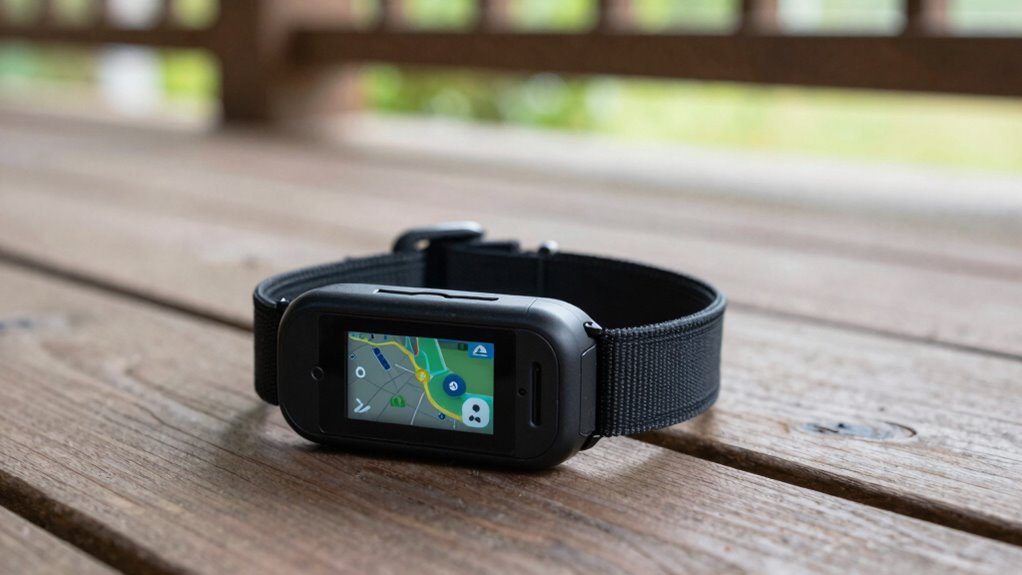

GPS dog collars can bring you peace of mind by helping quickly locate your dog and monitoring their movements, especially in busy urban settings. However, they can also cause more anxiety if you worry about battery life, signal disruptions, or device failure. Frequent checks and maintenance are necessary to guarantee reliable safety, but these demands might increase your stress. Want to discover how to balance these benefits and worries effectively? Keep exploring to find out more.
Key Takeaways
- GPS collars can provide peace of mind by enabling quick location of lost dogs in urban areas.
- Battery life limitations and signal disruptions may increase owner anxiety during outings.
- Regular maintenance and understanding device constraints are essential to prevent false security.
- Overchecking and concerns about technical failures can lead to heightened stress instead of reassurance.
- Combining GPS collars with traditional safety measures enhances overall pet safety and reduces owner worry.
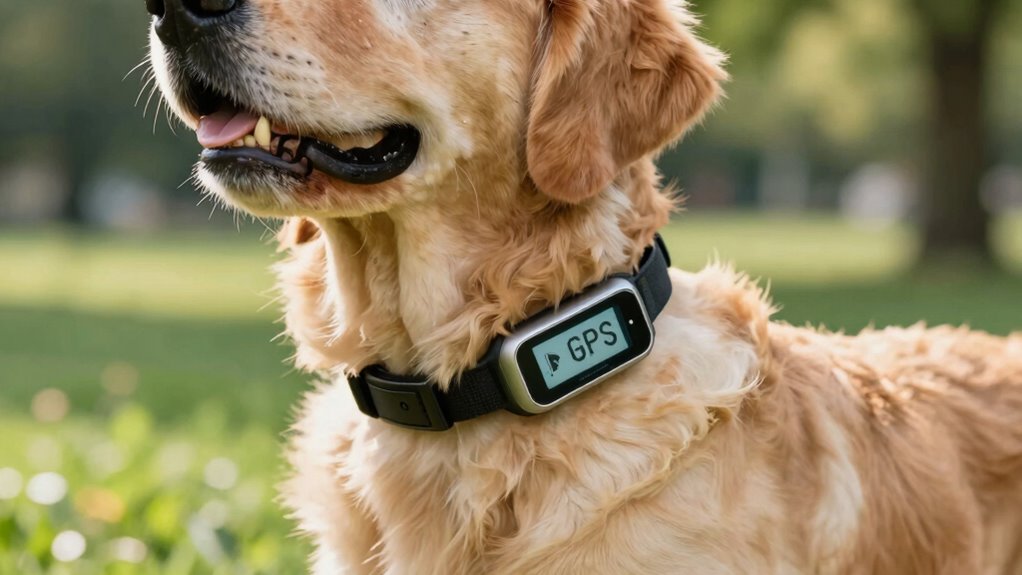
GPS dog collars have become increasingly popular among pet owners seeking peace of mind, but they can also introduce new sources of anxiety. When you attach one to your dog, you hope it provides better safety, especially in busy urban environments. Urban safety is a primary concern since cities are filled with busy streets, unpredictable traffic, and other hazards. A GPS collar can help you quickly locate your dog if they slip out of sight or get distracted by something enticing. The real benefit here is the reassurance that, no matter where you are in the city, you have the ability to track your dog’s movements in real time. This can ease worries about urban dangers and make walks less stressful. However, it’s important to understand that the effectiveness of this peace of mind depends heavily on the collar’s battery life. If the device’s battery runs out at an inconvenient moment, your sense of security diminishes rapidly. Many GPS collars require frequent charging, and if you forget or neglect to recharge them, you could be caught off guard. In busy city environments, where your dog might roam further than expected, a collar with poor battery life can be more of a liability than a safeguard. This potential for failure can add to your anxiety, especially if you rely heavily on the device during outings or when your dog is in an unfamiliar area. Additionally, battery management becomes a crucial part of using these devices effectively. Constant use of GPS tracking can also lead to device fatigue, where the collar’s performance may decline over time if not properly cared for or maintained. Furthermore, the continuous tracking feature, while useful, can sometimes cause more stress than relief. You might find yourself obsessively checking the app, wondering if the battery is still charged, or if the signal is strong enough to give you accurate updates. The fear of losing connection or the device dying unexpectedly can overshadow the comfort you initially sought. Plus, urban settings with tall buildings and interference can impact GPS signal strength, making tracking less reliable. This unpredictability can heighten your worry about your pet’s safety, especially in areas with poor coverage. It’s helpful to understand that signal disruptions are a common challenge in urban environments, which can undermine the reliability of GPS tracking. To mitigate these issues, many owners opt for backup safety measures such as traditional ID tags or physical leashes. While GPS collars are a powerful tool for enhancing urban safety, they require diligent maintenance and understanding of their limitations. If you’re not prepared for potential technical issues—like short battery life or signal disruptions—you might find that the device adds to your stress rather than alleviating it. Ultimately, whether these collars bring peace of mind or more anxiety depends on how well you understand and manage their capabilities and constraints.
Frequently Asked Questions
How Accurate Are GPS Dog Collars in Different Environments?
GPS dog collars are generally accurate, but their precision varies with the environment. In open spaces, the GPS signal is strong, offering reliable tracking. However, environmental interference like dense trees, tall buildings, or weather conditions can weaken the signal, reducing accuracy. You might notice occasional discrepancies indoors or in heavily obstructed areas. Overall, while they provide good guidance, understanding their limitations helps you better interpret the data.
What Is the Battery Life of Most GPS Dog Collars?
You’ll find most GPS dog collars offer a battery life of about 1 to 2 days, but don’t worry—many models feature battery efficiency modes and quick recharge times. Signal reliability remains strong with regular charging, ensuring peace of mind. While some worry about constant charging, these collars are designed to keep your dog tracked without frequent fuss, making it easier to stay connected and safe during your adventures.
Are GPS Collars Suitable for All Dog Sizes and Breeds?
GPS collars aren’t suitable for all dog sizes and breeds. Size limitations can affect smaller dogs, as some collars are too bulky or heavy, causing discomfort. Breed suitability varies because active breeds may require more durable, rugged models, while gentle or small breeds need lighter, less intrusive options. You should select a collar that fits your dog’s size comfortably and meets their activity level to guarantee safety and effectiveness.
How Secure Is the Data Collected by GPS Collars?
The security of data collected by GPS collars varies, but it’s essential to stay aware of potential hacking risks. Many brands implement encryption to protect your dog’s location and personal info, yet no system is completely immune. You should regularly update firmware, choose reputable brands, and review privacy policies. Being proactive helps minimize data privacy concerns and reduces hacking risks, giving you better peace of mind about your dog’s safety.
Can GPS Collars Be Used for Training Purposes?
GPS collars are powerful tools for training purposes, transforming your dog’s behavior with impressive precision. You can use them for behavior modification by setting virtual boundaries or guiding commands, which enhances training effectiveness. Think of it as having a personal trainer for your pup—it’s a game-changer. With consistent use, these collars help reinforce good habits and improve obedience, making training more efficient, fun, and less stressful for both of you.
Conclusion
So, whether GPS dog collars bring you peace or anxiety depends on how you use them. Remember, nearly 70% of dog owners say these devices help reduce worry about their pet’s safety. But don’t let the technology create unnecessary stress—set boundaries and stay informed. Ultimately, a well-chosen GPS collar can be a reassuring tool, giving you peace of mind while keeping your pup safe and happy.
Products Worth Considering
GPS dog collar with long battery life
As an affiliate, we earn on qualifying purchases.
As an affiliate, we earn on qualifying purchases.