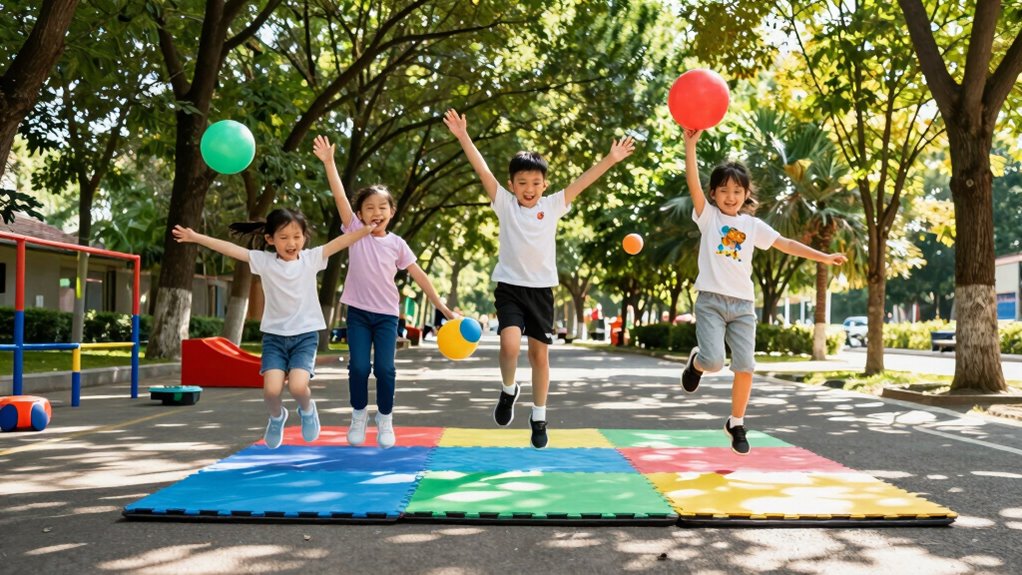

Playful movement works better than punishing exercise because it makes physical activity fun and engaging, helping you stay motivated long-term. Instead of feeling like a chore, you enjoy the experience, which boosts your mental health and lifts your mood. It also encourages social connections, making it easier to stick with routines. When exercise feels like a gift, not a punishment, you’re more likely to keep it up. Keep exploring to discover how you can turn movement into a source of joy.

Turn your quiet moments into listening time
- Thousands of audiobooks, podcasts and originals
- Listen on your phone, tablet or Echo — also offline
- Cancel anytime
Key Takeaways
- Playful movement enhances enjoyment, making exercise feel like a fun activity rather than a chore, encouraging sustained participation.
- It boosts mental health by releasing mood-improving chemicals and reducing stress, promoting a positive attitude towards physical activity.
- Engaging in playful activities increases motivation and prevents boredom, supporting long-term consistency and routine adherence.
- Group playful movements foster social connections, making exercise more engaging and reducing feelings of isolation.
- Playful movement encourages exploration and creativity, cultivating a healthy, joyful relationship with physical activity over time.

Many people find traditional exercise intimidating or unsustainable because it often feels like a chore or punishment. You might dread the monotony of running on a treadmill or lifting weights in silence, which makes it hard to stick with long-term. But shifting your focus to playful movement changes the game entirely. Instead of viewing exercise as a task you have to power through, you start to see it as an enjoyable activity that boosts your mental health and encourages social bonding. Playful movement taps into your natural desire to have fun, making it easier to stay motivated without feeling overwhelmed or discouraged.
When you engage in playful movement, you’re giving your brain a much-needed boost. It’s proven to improve mental health by reducing stress, anxiety, and feelings of depression. Because it’s fun, your brain releases feel-good chemicals like endorphins, serotonin, and dopamine, which lift your spirits and promote a positive outlook. This creates a virtuous cycle where movement feels less like a chore and more like a gift to yourself. Plus, by integrating play into your routine, you’re less likely to experience burnout or boredom, helping you develop a sustainable habit that supports your mental well-being over time. Incorporating simple, enjoyable activities into your daily life can make a significant difference in maintaining consistent movement. Additionally, engaging in various types of play can help keep your routine fresh and exciting, preventing stagnation and enhancing overall well-being. Recognizing the role of natural movement patterns can further motivate you to embrace activities that are instinctive and enjoyable rather than forced or artificial.
Social bonding is another powerful benefit of playful movement. When you participate in activities like dancing, group games, or outdoor adventures with friends or family, you forge stronger connections. These shared experiences foster a sense of camaraderie and belonging that’s often missing from solitary workouts. The social interaction makes exercise more enjoyable and less isolating, which can be especially helpful if you struggle with motivation. You start to associate movement with positive social moments, making it easier to maintain consistency and look forward to your activity sessions.
Playful movement also encourages creativity and spontaneity. Unlike repetitive gym routines, it invites you to explore, laugh, and be silly. This not only uplifts your mood but also helps you develop a healthier relationship with physical activity. When exercise feels like an extension of your personality and social life rather than a punishment, you naturally make it part of your lifestyle. Over time, this approach transforms your attitude towards fitness, making it less about pushing through discomfort and more about enjoying the journey.
Ultimately, embracing playful movement turns exercise into a source of joy and connection. It nurtures your mental health, strengthens social bonds, and keeps you engaged without the dread or exhaustion that often accompanies traditional workouts. By making movement fun and social, you’re more likely to stick with it—and reap the lasting benefits for your body and mind.
Frequently Asked Questions
Can Playful Movement Improve Long-Term Fitness Goals Effectively?
Yes, playful movement can improve your long-term fitness goals effectively. It boosts motivation enhancement because you’re more likely to enjoy and stick with activities that feel fun. Additionally, playful movement often emphasizes natural, varied motions that help with injury prevention. You stay engaged and reduce burnout, making it easier to maintain consistency over time. Ultimately, it creates a sustainable, enjoyable approach to fitness that supports lasting health improvements.
How Does Playful Movement Impact Mental Health Compared to Traditional Exercise?
Playful movement acts like a breath of fresh air for your mind, boosting mindfulness benefits and reducing stress. Unlike traditional workouts, it feels more like a game, making you forget you’re exercising and easing mental tension. As you immerse yourself in playful activities, your mood lifts naturally, and stress melts away. This joyful approach fosters mental resilience and happiness, proving that movement can be both fun and healing for your mental health.
Are There Specific Age Groups That Benefit More From Playful Movement?
You’ll find that children and older adults benefit most from playful movement, as it aligns with their developmental stages and age-specific needs. Kids develop motor skills and creativity through playful activities, while seniors improve balance, flexibility, and mental agility. Playful movement makes exercise enjoyable at any age, fostering ongoing engagement and health. Embracing this approach supports lifelong physical and mental well-being, tailored to your unique developmental stage.
What Are Some Simple Examples of Playful Movement Activities?
You can enjoy simple playful movements like fun dance routines that make you move effortlessly, or outdoor games like tag and hide-and-seek that bring out your natural energy. These activities feel less like exercise and more like joyful moments. They boost your mood, keep you active, and help you reconnect with your body without the stress of traditional workouts. Just have fun, and your body will thank you.
How Can I Transition From Punishing Workouts to More Playful Routines?
To shift from punishing workouts to playful routines, start by adding more exercise variety to keep things fresh and exciting. Incorporate activities you genuinely enjoy, like dancing, jumping, or playful sports. This change boosts your motivation and makes movement feel less like a chore. Gradually replace intense sessions with fun movements, and you’ll find yourself more enthusiastic to stay active, fostering a positive, sustainable exercise habit.
Conclusion
In the end, embracing playful movement feels like dancing in your favorite song—light, joyful, and freeing. It’s not about punishing yourself with rigid routines but about finding fun in motion, making exercise something you look forward to. When you approach movement with curiosity and playfulness, it becomes a natural part of your life—something as effortless as a breeze. So, let go of stress and enjoy the journey, just like a child discovering new adventures.
Products Worth Considering
As an affiliate, we earn on qualifying purchases.