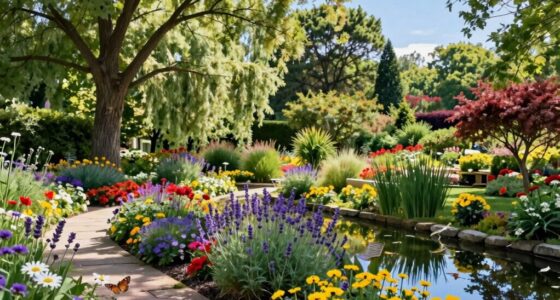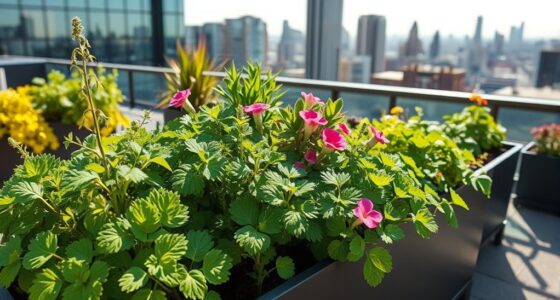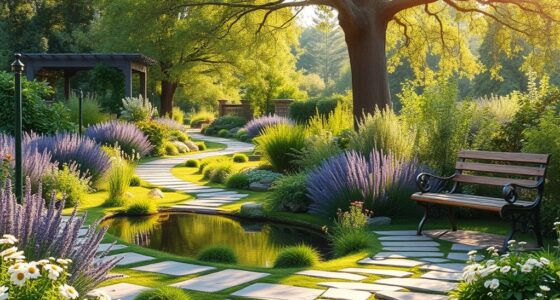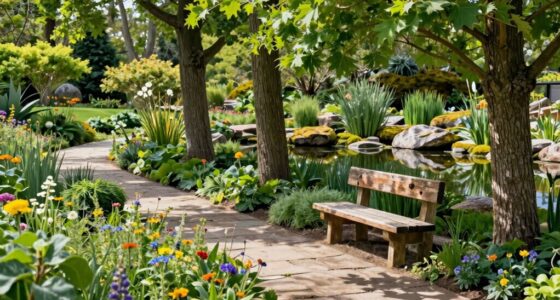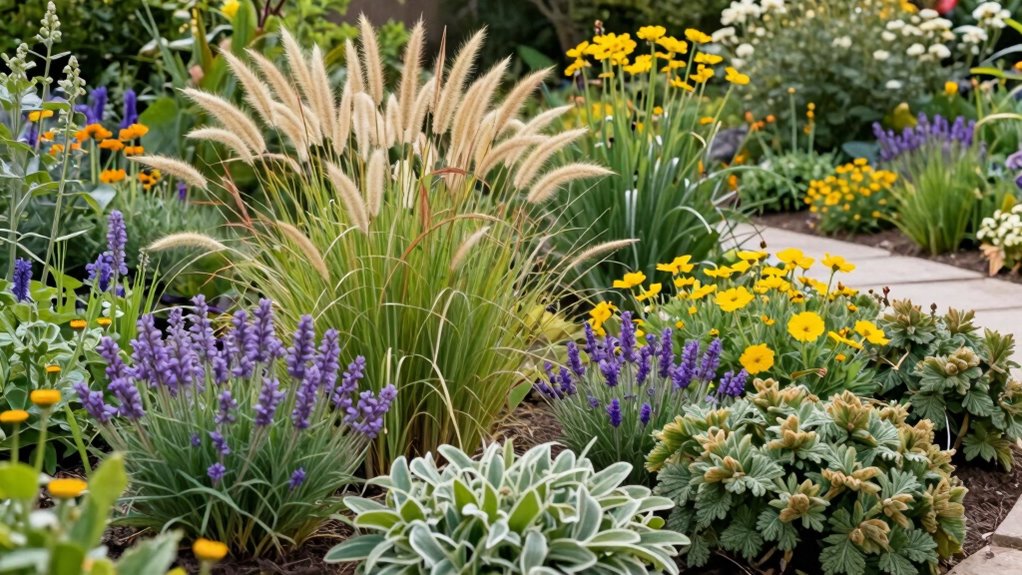
Choosing native plants over high-maintenance landscaping makes sense because they naturally adapt to your local environment, needing less water, fertilizers, and pesticides. They support local wildlife, improve soil health, and create a resilient, eco-friendly garden. Native plants are generally easier to care for, reducing your effort, time, and costs. By focusing on natives, you help preserve biodiversity and promote sustainability. Keep exploring to discover how native plants can transform your landscape into a thriving, low-effort oasis.

Get books, candles and calm essentials delivered free — and shop member deals
- Fast, free delivery on millions of items
- Access to Prime Big Deal Days deals on October 6–7
- Prime Video, Amazon Music and more included
Key Takeaways
- Native plants require less water, fertilizer, and pesticides, reducing resource consumption and environmental impact.
- They support local wildlife, promoting biodiversity and ecological balance.
- Native plants improve soil health through deep roots and natural nutrient cycling.
- They are easier to maintain, saving time, effort, and costs associated with high-maintenance landscaping.
- Using native plants helps conserve local plant varieties and enhances landscape resilience to climate change.
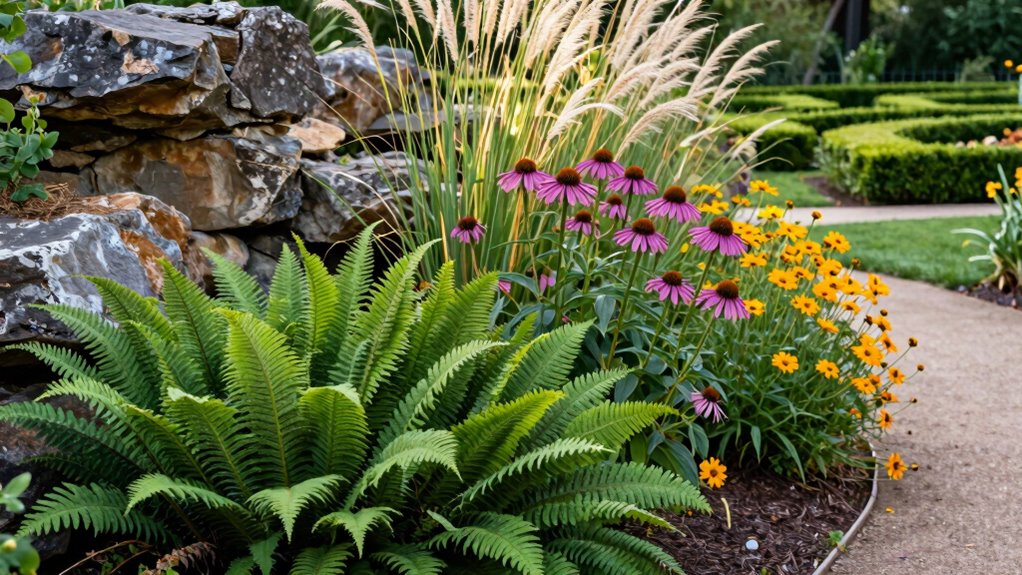
When it comes to landscaping, choosing between native plants and high-maintenance options can considerably impact your garden’s health and your effort level. Native plants naturally thrive in your local environment, requiring less water, fertilizers, and pesticides. This not only makes them easier to care for but also ensures they are better suited to sustain local wildlife. Native plants provide vital wildlife support by offering food and shelter to birds, butterflies, and pollinators, which are essential for maintaining a balanced ecosystem. These plants have evolved alongside local fauna, making them more attractive to native insects and animals, fostering a vibrant, lively garden.
Beyond wildlife benefits, native plants also significantly enhance soil health. They develop deep root systems that improve soil structure by reducing erosion and increasing aeration. These roots help bring nutrients from deeper layers to the surface, enriching the soil naturally and reducing the need for chemical inputs. Over time, native plants contribute to a resilient soil ecosystem, fostering beneficial microorganisms that support plant growth and suppress soil-borne diseases. This natural nutrient cycling makes your garden more sustainable and less dependent on external fertilizers or soil amendments. Additionally, native plants tend to be more resistant to pests and diseases because they are adapted to the local environment, further reducing maintenance needs. Supporting local biodiversity** is a key advantage of native plant gardening, as it helps maintain the ecological balance in your area. Incorporating native plant diversity** can also strengthen the overall resilience of your landscape, making it more adaptable to changing climate conditions.
Recent studies highlight that native plant gardens are often more environmentally friendly, requiring fewer resources and less maintenance than exotic landscaping. Moreover, selecting native plants often aligns with scientific skepticism about the benefits of exotic plants, emphasizing that native species are more compatible with local ecosystems and require fewer interventions. In contrast, high-maintenance landscaping often involves exotic or ornamental plants that demand intensive care. These plants typically require regular watering, pruning, fertilizing, and pest control, which can be time-consuming and costly. They may also struggle to adapt to local soil and climate conditions, leading you to use more resources to keep them healthy. As a result, high-maintenance gardens tend to have a higher environmental footprint, consuming more water and chemicals, and often disrupting local wildlife support.
Choosing native plants aligns with a low-effort, eco-friendly approach. They are generally more resistant to pests and diseases, reducing the need for chemical interventions. Their compatibility with local soil conditions means you invest less in soil amendments and maintenance. This choice creates a more resilient garden that supports biodiversity while requiring less ongoing effort from you. By prioritizing native plants, you also help conserve local plant varieties and promote a healthier, more balanced ecosystem. Embracing native plant gardening not only benefits your landscape but also helps preserve the natural balance of your local environment.
Frequently Asked Questions
Are Native Plants Suitable for All Climate Zones?
Native plants are generally suitable for most climate zones because they offer better climate adaptability. However, you should consider your specific gardening preferences and local conditions before selecting plants. Some native species thrive in certain climates but may not do well elsewhere. Research your region’s native plants and consult local experts to confirm you choose the right ones for your yard, guaranteeing a sustainable and low-maintenance garden.
Can Native Plants Support Local Wildlife Effectively?
Think of native plants as the guardians of your yard’s wildlife habitat, nurturing local creatures with natural food and shelter. They support ecosystem balance by fitting seamlessly into the environment, attracting birds, butterflies, and pollinators. By choosing native plants, you create a sustainable sanctuary, fostering biodiversity and ensuring wildlife thrives naturally. Your garden becomes a vibrant, living symbol of harmony between nature and human care.
What Is the Initial Cost Comparison Between Native and High-Maintenance Landscaping?
You’ll find that native plants generally have a lower initial cost compared to high-maintenance landscaping. A thorough cost analysis shows native plants require less money upfront because they need fewer resources, like fertilizers and soil amendments. Plus, their reduced maintenance requirements save you money over time, making them a more budget-friendly choice. Overall, investing in natives often results in significant savings both initially and in the long run.
How Do Native Plants Impact Water Conservation Efforts?
Native plants boost water conservation by enhancing water efficiency and drought resistance. They’re adapted to your local climate, requiring less watering and reducing runoff. This means you use less water overall, especially during dry seasons, and help conserve this essential resource. By choosing native plants, you support sustainable landscaping, lower your water bills, and promote a healthier environment, making your garden both beautiful and eco-friendly.
Are Native Plants More Resistant to Pests and Diseases?
Like a knight in shining armor, native plants stand resilient against pests and diseases. You’ll find they offer better pest resistance and disease resilience compared to non-native species. Their adaptation to the local environment means fewer chemical treatments and less maintenance. Native plants have natural defenses built over generations, making your landscape healthier and more sustainable. Embrace this botanical armor, and your garden becomes a fortress against pests and diseases.
Conclusion
Choosing native plants over high-maintenance landscaping not only saves you time and money but also supports local ecosystems. Did you know that native plants require 50% less water and fertilizer? By opting for native species, you create a resilient garden that thrives naturally, reducing your environmental impact. So, next time you plan your yard, remember—embracing native plants makes sense for your landscape and the planet. It’s a smart, sustainable choice you’ll appreciate every day.
Products Worth Considering
As an affiliate, we earn on qualifying purchases.