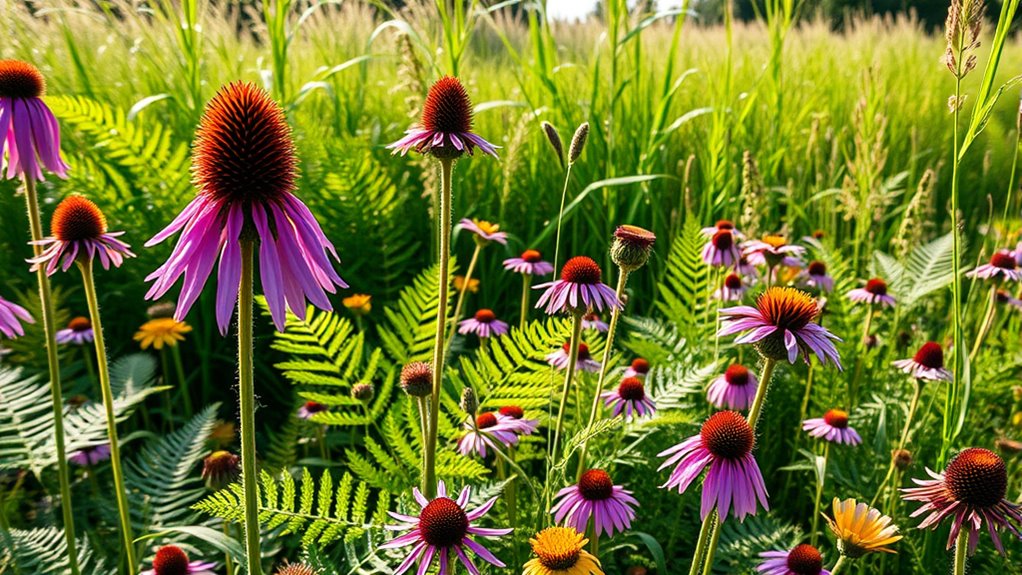
Choosing native plants suited to your region is key to creating a sustainable and resilient landscape. Native plants support local pollinators, prevent soil erosion, and require less maintenance, saving you time and resources. They thrive in your area’s climate and soil, ensuring long-term stability. By selecting the right species, you’ll boost local biodiversity and enjoy a healthier environment. Keep exploring to discover how to select the best native plants for your specific area.
Open a free Amazon Business account
Business pricing, bulk buying and tax-exempt orders.
As an affiliate, we earn on qualifying purchases.
Key Takeaways
- Select native plants adapted to your region’s climate, soil, and moisture conditions for higher resilience.
- Consider local biodiversity needs to support native pollinators and wildlife effectively.
- Choose species that provide ecological benefits like erosion control and soil stabilization.
- Opt for plants that require minimal maintenance, watering, and chemical inputs in your area.
- Consult regional native plant guides or experts to ensure suitable species selection for your landscape.
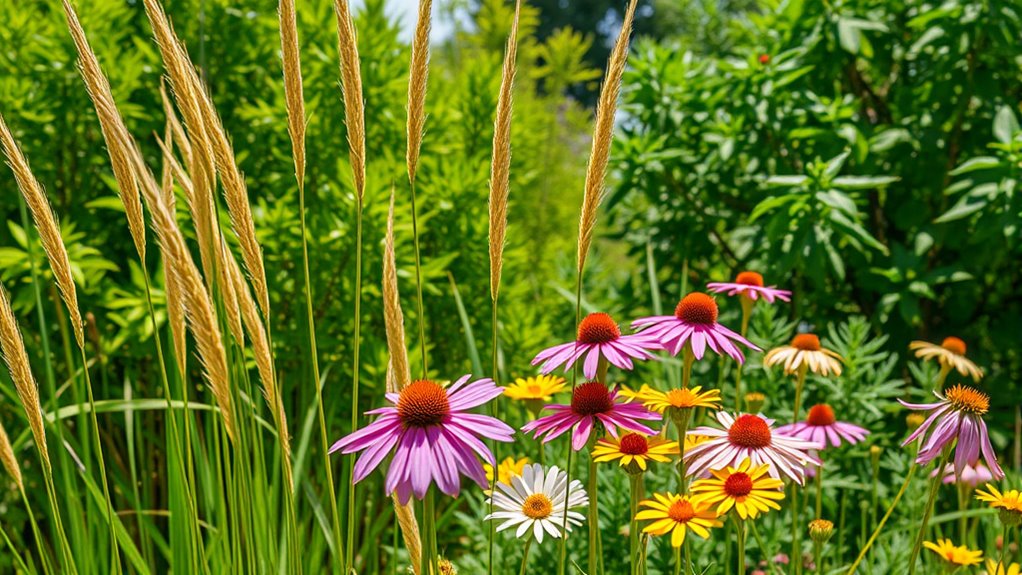
Have you ever wondered why native plants are so essential to local ecosystems? The answer lies in their ability to support a variety of ecological functions that non-native species often can’t match. When you choose native plants for your landscape, you’re not just creating a beautiful space—you’re fostering a thriving environment that benefits pollinator attraction and helps prevent soil erosion. Native plants are adapted to your region’s specific climate, soil, and moisture conditions, making them more resilient and easier to maintain over time.
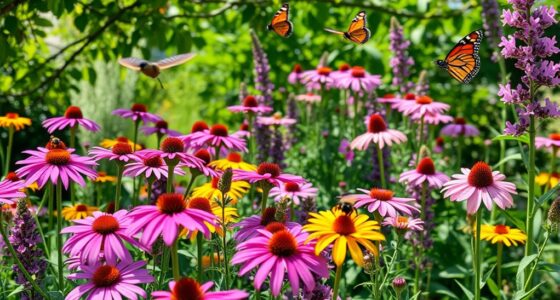
Pollinator attraction is one of the most significant advantages of planting native species. Bees, butterflies, hummingbirds, and other pollinators have evolved alongside native plants over thousands of years. This means native flowers typically provide the optimal nectar and pollen sources that these creatures need to survive and reproduce. When you incorporate native plants into your garden or landscape, you create a vital habitat that encourages pollinators to thrive. This not only supports local biodiversity but also improves the pollination of other plants, including your fruit and vegetable crops. The increased pollinator activity can lead to better yields and healthier plants, reinforcing the interconnectedness of your landscape and the surrounding ecosystem.
Native plants support pollinators and boost fruit and vegetable yields through enhanced pollination.
In addition to attracting pollinators, native plants play a crucial role in erosion control. Their deep root systems help stabilize the soil, preventing runoff during heavy rains and reducing the risk of erosion on slopes or bare patches. Unlike turf grasses or non-native ground covers, many native species develop extensive root networks that bind soil particles together, maintaining ground integrity even under challenging conditions. By planting native species, you’re actively reducing sediment loss and protecting waterways from sedimentation and pollution caused by soil erosion. This creates a healthier environment downstream and helps maintain the natural landscape’s stability over time.
Choosing native plants also means you’ll spend less on maintenance and water. Because they’re adapted to your local environment, native species require fewer supplemental resources like fertilizers, pesticides, and excessive watering. This makes your landscape more sustainable and environmentally friendly. Additionally, native plants tend to be more resistant to pests and diseases, decreasing your need for chemical interventions. All these factors combined make native plants an excellent choice not only for ecological reasons but also for practical, long-term landscape management.
Frequently Asked Questions
How Do Native Plants Adapt to Climate Change?
Native plants adapt to climate change by developing climate resilience through their adaptive traits. These traits, like drought tolerance or deep root systems, help them survive shifting conditions. You can support this process by planting native species suited to your region, which are naturally equipped to handle temperature fluctuations and changing rainfall patterns. This approach strengthens your local ecosystem’s resilience and guarantees the long-term health of native landscapes.
Are Native Plants Resistant to Local Pests and Diseases?
Yes, native plants often show pest resistance and disease resilience because they’ve evolved alongside local pests and diseases. When you choose native species, you’re more likely to encounter plants that naturally withstand common threats, reducing the need for chemical treatments. This adaptation helps maintain a healthy, balanced ecosystem in your garden. Plus, their resilience can save you time and money while supporting local biodiversity.
What Are the Best Native Plants for Shaded Areas?
You should consider shade-tolerant native plants like trilliums, ferns, or mayapples, which thrive in low light conditions. These plants adapt well to various soil preferences, often preferring moist, well-drained soils. When selecting, think about your specific shade tolerance level and soil type to guarantee the plants will thrive. These native options will add beauty and resilience to shaded areas in your landscape.
How Can I Propagate Native Plants at Home?
Like a gardener tending to hidden treasures, you can propagate native plants at home through seed collection and propagation techniques. Start by gathering ripe seeds, ensuring they’re mature and healthy. Use methods like scarification or stratification to improve germination, then plant them in well-draining soil. Keep the soil moist and provide appropriate light. With patience, you’ll see new plants sprout, spreading your native garden’s beauty and resilience.
Do Native Plants Require Less Maintenance Than Non-Native Species?
Yes, native plants generally require less maintenance than non-native species. Their benefits include adaptability to local climate and soil, reducing watering and fertilizing needs. However, they do come with native plant challenges like pests or invasive weeds. By choosing the right native species, you support local ecosystems and enjoy a low-maintenance garden, saving you time and effort while creating a thriving, sustainable landscape.
Conclusion
Choosing native plants connects you to your region’s natural beauty and supports local ecosystems. While exotic species might seem appealing, they often lack the resilience and harmony of native species. By selecting plants suited to your area, you foster a thriving habitat and protect biodiversity. It’s a simple act that balances the delicate dance of nature—reminding you that sometimes, the most beautiful solutions are rooted right in your own backyard.
Products Worth Considering
native plant seeds for landscaping
As an affiliate, we earn on qualifying purchases.
As an affiliate, we earn on qualifying purchases.