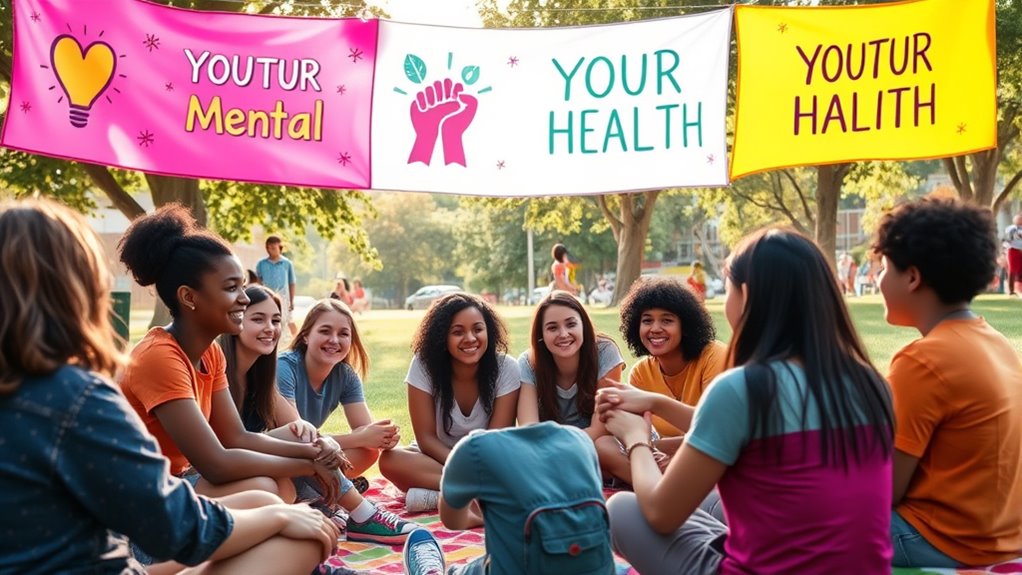

Supporting youth mental health involves implementing accessible strategies like peer counseling and digital therapy, which meet young people where they are—online or in their communities. You can help by promoting open communication, reducing stigma, and encouraging early intervention. Combining these approaches builds resilience and provides immediate support, empowering youth to take control of their mental well-being. If you explore further, you’ll discover more ways to create impactful initiatives that truly make a difference.
Listen free for 30 days with Audible
Thousands of audiobooks and originals — cancel anytime.
As an affiliate, we earn on qualifying purchases.
Key Takeaways
- Implement peer counseling programs to foster community support and reduce stigma around mental health.
- Utilize digital therapy platforms that offer accessible, anonymous, and flexible mental health resources for youth.
- Integrate sleep and dream techniques to enhance emotional resilience and overall well-being among young people.
- Combine peer support and digital tools within schools and community centers for a holistic mental health approach.
- Empower youth by providing resources that develop coping skills, encouraging proactive mental health management.
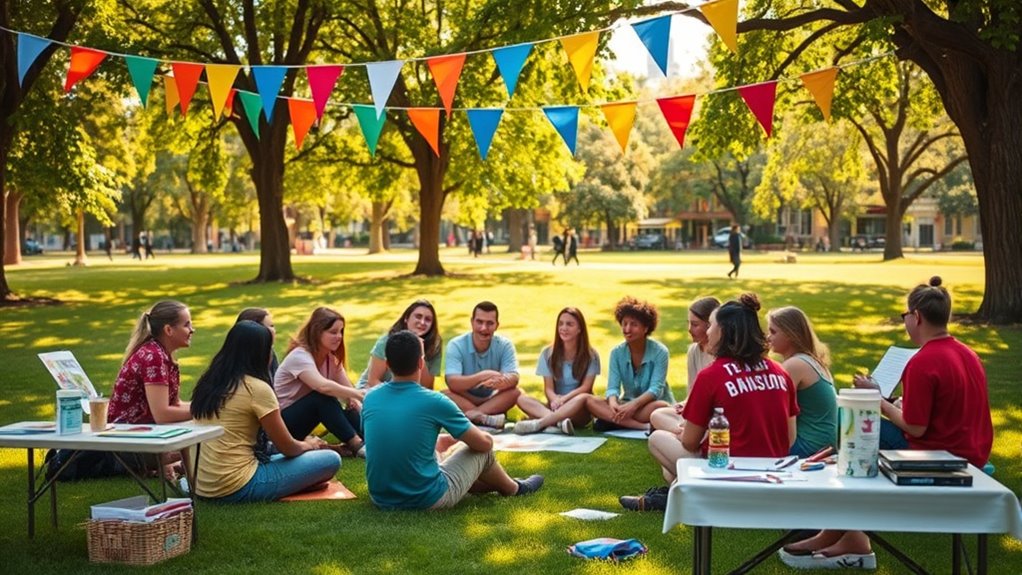
Why is supporting youth mental health initiatives more important now than ever? Today’s young people face a unique set of challenges that demand our urgent attention. The rise of social media, academic pressures, and uncertainties about the future contribute to increased stress, anxiety, and depression among youth. To effectively address these issues, we need to implement accessible, relatable, and innovative solutions. Peer counseling and digital therapy are two powerful tools that can make a real difference. Peer counseling involves training young individuals to support their peers, fostering a sense of community and understanding. When you have someone who truly gets what you’re going through, it becomes easier to open up and seek help. Peer counselors can offer immediate, relatable support, breaking down the stigma often associated with mental health struggles. Plus, they’re often more approachable than traditional therapists, especially for teens who might feel intimidated by formal settings. Digital therapy, on the other hand, takes mental health support into the digital domain, meeting youth where they are—on their smartphones and computers. It offers flexibility, anonymity, and convenience, allowing young people to access therapy sessions anytime and anywhere. With the increased use of smartphones among youth, digital therapy eliminates many barriers that prevent young people from seeking help, such as transportation issues or time constraints. You can connect with licensed therapists through secure messaging, video calls, or even app-based programs designed specifically for young users. This approach not only provides immediate support but also normalizes mental health care as a routine part of life, reducing stigma over time. Supporting youth mental health initiatives means embracing these innovative strategies that resonate with young people’s lifestyles and preferences. It’s about creating a supportive environment where seeking help feels natural and accessible. Peer counseling programs can be implemented in schools, community centers, and online platforms, creating a network of support that feels approachable and trusted. Digital therapy services can be integrated into school wellness programs or offered through dedicated apps that guide youth through coping strategies and connect them with professionals. Additionally, incorporating sleep and dreams techniques from Abraham Hicks can help young people improve their overall mental resilience and emotional balance. By combining peer counseling with digital therapy, you establish a holistic support system that addresses diverse needs. This layered approach fosters resilience, promotes early intervention, and helps prevent long-term mental health issues. As someone invested in the well-being of youth, recognizing the importance of these tools is vital. Supporting these initiatives isn’t just about providing resources; it’s about empowering young people to take charge of their mental health and helping them build a foundation for a healthier, more resilient future.
Frequently Asked Questions
How Can I Start a Youth Mental Health Program Locally?
You can start a youth mental health program locally by first forming community partnerships with schools, clinics, and local organizations. Collaborate to identify youth needs and resources. Develop a clear plan and seek funding or grants. Implement your program and regularly evaluate its effectiveness through program evaluation methods, adapting as needed. Your active involvement and strong network will guarantee your initiative effectively supports youth mental health in your community.
What Are Signs That a Young Person Needs Professional Help?
You’ll want to watch for early warning signs like persistent sadness, withdrawal from friends or activities, and drastic mood swings. Emotional indicators such as excessive worry, hopelessness, or irritability also signal a need for professional help. If you notice changes like difficulty concentrating, declining academics, or thoughts of self-harm, it’s essential to encourage your young person to seek support. Acting early can make a significant difference in their well-being.
How Do I Fund Youth Mental Health Initiatives Effectively?
Like planting a seed in a garden, you can fund youth mental health initiatives by exploring grant opportunities and building strong community partnerships. Seek out local, state, and federal grants tailored to mental health programs. Collaborate with schools, nonprofits, and healthcare providers to pool resources and amplify impact. Your proactive efforts create a nurturing environment where young people thrive, showing that investing in their well-being truly makes a difference.
What Training Is Available for Youth Mental Health Advocates?
You can access training for youth mental health advocates through programs focused on peer counseling and crisis intervention. Many organizations, like the National Alliance on Mental Illness or local community centers, offer workshops and certification courses. These trainings equip you with essential skills to support peers effectively, recognize mental health issues, and respond appropriately during crises. Enrolling in these programs will strengthen your ability to advocate and make a meaningful impact.
How Can Schools Better Support Students’ Mental Health Needs?
You can better support students’ mental health by fostering peer support networks and integrating mental health topics into the curriculum. Encourage open conversations so students feel safe sharing their struggles. Train staff to recognize early signs of distress and respond appropriately. Incorporate social-emotional learning into daily lessons, creating a supportive environment. These steps help students feel understood, connected, and empowered to seek help when needed.
Conclusion
By supporting youth mental health initiatives, you become a essential part of their journey to well-being, much like a steady lighthouse guiding ships safely to shore. Your involvement can inspire resilience, foster understanding, and create a supportive environment where young people feel empowered to seek help. Remember, your actions can make a difference—just as small sparks can ignite a bright fire. Together, you can help build a future where every youth thrives mentally and emotionally.
Products Worth Considering
peer counseling program for teens
As an affiliate, we earn on qualifying purchases.
As an affiliate, we earn on qualifying purchases.