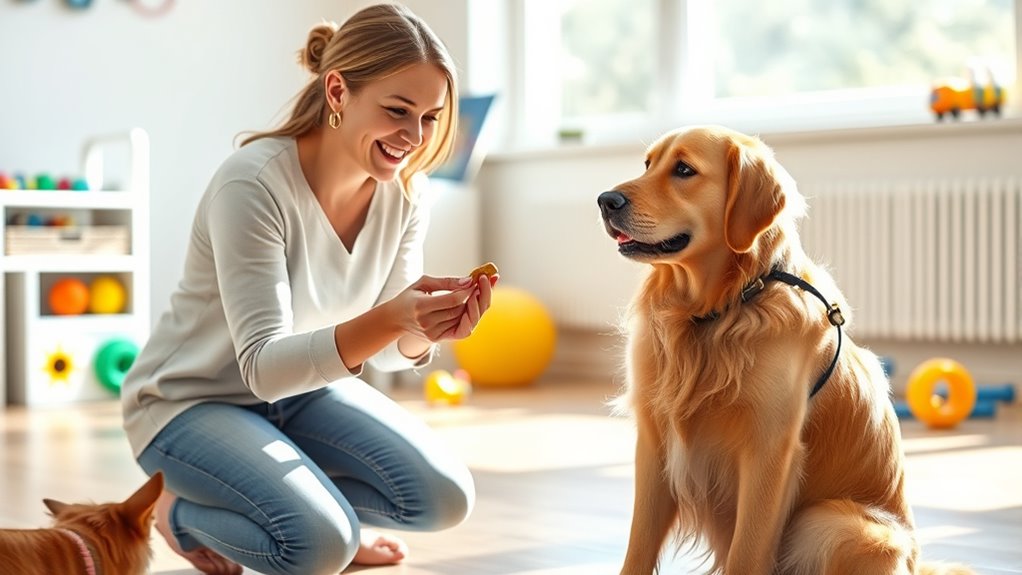

Training your pet with positive reinforcement involves rewarding good behavior with treats, praise, or affection to encourage them to repeat these actions. Using a clicker can help mark the exact moment of compliance, making the training clearer and more effective. Consistency and patience are key, as rewards build trust and strengthen your bond. As you continue, you’ll discover how to create a fun, engaging environment that promotes happy, well-behaved pets.
Key Takeaways
- Use a clicker to mark correct behaviors immediately and clearly.
- Reward desired actions with treats, praise, or affection to reinforce learning.
- Keep training sessions short, consistent, and positive to maintain engagement.
- Gradually phase out physical rewards, replacing them with verbal praise or petting.
- Focus on building trust and a strong bond through patience and positive interactions.
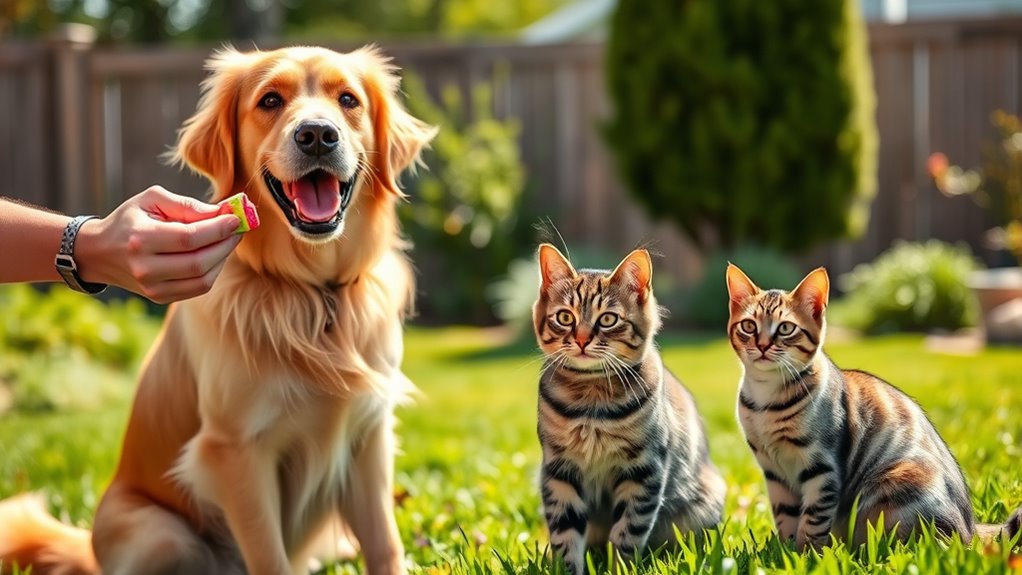
Training pets using positive reinforcement is an effective way to encourage good behavior while building trust and a strong bond with your animal. When you focus on rewarding your pet for desired actions, they quickly learn what behaviors you want to see more often. One popular method to do this is clicker training, which uses a small device that makes a consistent clicking sound to mark the exact moment your pet performs the correct behavior. This precise timing helps your pet associate the click with a positive outcome, reinforcing the action immediately. Pairing the click with a reward system, such as treats, praise, or affection, makes the training even more effective.
Using a clicker during training sessions helps keep things clear and consistent. When your pet performs the behavior correctly, you click the device to signal, “That’s right!” Then, you give them a reward right after the click. The key is to make sure the reward follows quickly so your pet understands exactly what they did well. Over time, the click becomes a powerful cue, and your pet begins to anticipate the reward when they perform the desired behavior. This method is simple but highly effective because it creates a clear communication channel between you and your pet, reducing confusion and frustration.
Using a clicker provides clear, consistent signals that strengthen communication and reduce frustration during training.
Reward systems are versatile and can be tailored to fit your pet’s preferences. Some animals respond well to treats, while others might prefer praise or a quick play session. The important part is that the reward is desirable enough to motivate your pet to repeat the behavior. Consistency is vital—use the same rewards for specific behaviors and keep training sessions short and engaging. Remember, positive reinforcement isn’t just about the reward; it’s about creating a positive experience for your pet. When they associate training with rewards and fun, they’ll be more enthusiastic to participate and learn.
Additionally, understanding Volkswagen Tuning can be a useful analogy—just as precise adjustments optimize vehicle performance, consistent and targeted rewards enhance your pet’s learning process. As you progress, you can gradually phase out treats and rely more on verbal praise or petting, especially for good manners or obedience commands. The goal is to develop a reliable response without always needing physical rewards. Incorporating clicker training and reward systems into your routine can make training sessions more engaging and effective. Your pet will learn faster, and the process becomes a bonding experience rather than a chore. With patience, consistency, and positive reinforcement, you’ll see your pet grow into well-behaved and happy companion.
Frequently Asked Questions
How Soon Can I See Results With Positive Reinforcement Training?
You can typically see results within a few days to a week with positive reinforcement training. It all depends on your timing consistency and reward variety. When you respond quickly and consistently, your pet learns faster. Using a variety of rewards keeps them motivated and engaged. Remember, patience is key—every pet learns at their own pace, so stay persistent and positive, and you’ll notice progress soon enough.
What Rewards Work Best for Different Types of Pets?
The best rewards vary by pet. For dogs, treats like small, tasty snacks work well, but some prefer praise or toys. Cats often respond better to treats like catnip or soft toys, while birds might enjoy small seeds or praise. Observe your pet’s preferences—if they love playing, toys might motivate more than treats, but praise can be highly effective for more social pets. Tailor rewards to keep training engaging.
Can Positive Reinforcement Prevent Behavioral Problems?
Yes, positive reinforcement can prevent behavioral problems. By using clicker training and a treat hierarchy, you reinforce good behavior consistently, making it more likely your pet repeats it. This proactive approach helps address issues early and builds trust. When your pet understands what’s expected, they’re less likely to develop bad habits. Keep training sessions positive, clear, and rewarding, and you’ll foster a well-behaved, happy companion.
How Do I Handle Setbacks or Slow Progress?
When setbacks or slow progress happen, stay patient and persistent. Praise your pet for small improvements to boost confidence and reinforce good behavior. Maintain consistency in your training routines so your pet knows what to expect. Remember, progress may take time, but with patience and persistence, your efforts pay off. Keep encouraging your pet, stay calm, and celebrate every little success to foster a positive learning environment.
Is Positive Reinforcement Effective for Aggressive Pets?
Yes, positive reinforcement can be effective for aggressive pets. You’ll want to use tools like clicker training to mark calm behavior and reward it immediately. Redirect their scent marking tendencies by providing appropriate outlets, like designated spots, and praise them when they use these instead of aggressive actions. Consistency, patience, and rewarding small improvements help build trust and reduce aggression over time.
Conclusion
By consistently using positive reinforcement, you create a trusting bond with your pet and encourage good behavior. For example, if your dog sits calmly during a walk and you reward it with praise or treats, it learns this behavior is rewarding. Over time, your pet will repeat the action, making training enjoyable for both of you. Keep patient and persistent, and you’ll see your furry friend thrive and respond happily to your guidance.
Products Worth Considering
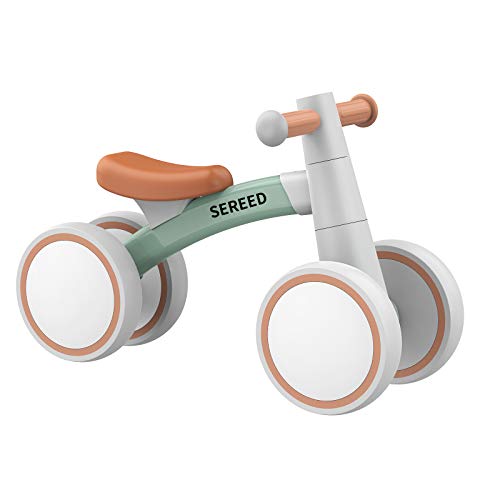
SEREED Baby Balance Bike for 1-2 Year Olds - 4 Wheels, First Bike for Toddlers, Birthday Gift (Green)
- Recommended Age: 12-24 months
- Ideal Gift: Birthday gift for toddlers
- Develops Skills: Balance, steering, coordination
As an affiliate, we earn on qualifying purchases.