

Students looking for a personal growth journal face one big decision: guided structure versus open reflection. The best overall pick is the Self-Care Journal for College Students, because its simple daily prompts target stress relief and confidence — the two things students struggle with most — without demanding more than a few minutes a day. Close behind, the Big Life Journal for Teens and Tweens stands out for younger students ages 11–17 with its growth-mindset framing, and the Medical Student Reflective Journal is the strongest choice for anyone in a demanding professional program. Budget-minded buyers will find solid value in the TREES Gratitude Journal, though its mindfulness focus won’t suit students who want goal-tracking tools. The main tradeoff across this category is depth versus daily usability — heavier workbooks build more skills but get abandoned mid-semester. Keep reading for the full breakdown.

Turn your quiet moments into listening time
- Thousands of audiobooks, podcasts and originals
- Listen on your phone, tablet or Echo — also offline
- Cancel anytime
Key Takeaways
- Journals with short, fixed daily formats (5–10 minutes) survived semester-length use far better than ambitious multi-exercise workbooks, which is why structure-heavy picks ranked lower for busy students.
- Age fit matters more than price: the Big Life Journal works well for ages 11–17 but feels juvenile for college students, while college-focused journals assume stress-management context younger students don’t have yet.
- Career-specific journals like the Medical Student Reflective Journal offer unmatched relevance for their audience but are poor general-purpose buys — relevance is a narrow superpower here.
- The TREES Gratitude Journal’s 180-day format delivers the lowest cost per day of the group, but its single-track mindfulness focus means students wanting goal-setting or habit tracking need a different pick.
- Template-based journals such as The Personal Growth Journal (75 templates) offer the most variety but require the most self-direction — they suit motivated students and frustrate beginners.
| The Student Leadership Challenge: Student Workbook and Leadership Journal |  | Best for Leadership Development | Format: Workbook and journal combined | Focus: Leadership development and self-reflection | Structure: Practical activities and reflective exercises | VIEW LATEST PRICE | See Our Full Breakdown |
| TREES Gratitude Journal, 180-Day Guided Prompts & Mindfulness |  | Best Overall | Size: 5.8″ x 8.5″ | Duration: 180 days of guided prompts | Paper Thickness: 100 GSM | VIEW LATEST PRICE | See Our Full Breakdown |
| Self-Care Journal for College Students: Simple Daily Prompts for Stress Relief, Mental Clarity & Confidence |  | Best for Stress Relief | Format: Guided prompt journal | Focus: Stress relief, mental clarity, confidence | Prompt Frequency: Daily | VIEW LATEST PRICE | See Our Full Breakdown |
| Medical Student Reflective Journal: 100 Prompts for Personal Growth & Wellbeing on the Journey to Become a Doctor |  | Best for Med Students | Format: Guided reflective journal | Prompt Count: 100 prompts | Focus: Personal growth and wellbeing for medical training | VIEW LATEST PRICE | See Our Full Breakdown |
| The Personal Growth Journal: 75 Templates to Thrive | 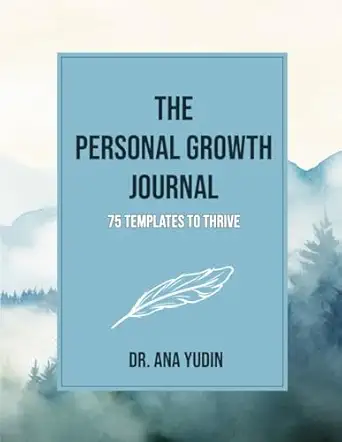 | Most Versatile Template Library | Templates: 75 guided templates | Focus Areas: Goal setting, self-reflection, progress tracking | Format: Workbook-style, self-paced | VIEW LATEST PRICE | See Our Full Breakdown |
| Big Life Journal – Growth Mindset & Gratitude Journal for Teens and Tweens (Ages 11–17) |  | Best for Teens and Tweens | Ages: 11–17 | Pages: 160 | Cover: Hardcover | VIEW LATEST PRICE | See Our Full Breakdown |
| TREES Gratitude Journal, 180-Day Guided Prompts & Mindfulness, 5.8″ x 8.5″ |  | Best Daily Habit Builder | Size: 5.8″ x 8.5″ | Pages: 180 (one prompt per day) | Paper Thickness: 100 GSM | VIEW LATEST PRICE | See Our Full Breakdown |
| TREES Gratitude Journal, 180-Day Guided Prompts & Mindfulness, 5.8″ x 8.5″ |  | Best Gift Pick | Size: 5.8″ x 8.5″ | Pages: 180 guided daily prompts | Paper Thickness: 100 GSM | VIEW LATEST PRICE | See Our Full Breakdown |
| personal growth journals for student | Format | Structure | Focus | Audience |
|---|---|---|---|---|
| The Student Leadership Challen | Workbook and journal combined | Practical activities and reflective exercises | Leadership development and self-reflection | High school and college students |
| TREES Gratitude Journal | — | — | Gratitude and mindfulness | — |
| Self-Care Journal for College | Guided prompt journal | Simple, low-time-commitment entries | Stress relief, mental clarity, confidence | College students |
| Medical Student Reflective Jou | Guided reflective journal | Finite, prompt-based entries | Personal growth and wellbeing for medical training | Medical students and aspiring doctors |
| The Personal Growth Journal: 7 | Workbook-style, self-paced | Template-based, not dated daily entries | — | General personal growth, suitable for students |
| Big Life Journal | Guided prompts and activities | Sequenced, progressive | — | — |
| TREES Gratitude Journal | — | — | — | — |
| TREES Gratitude Journal | — | — | — | — |
More Details on Our Top Picks
The Student Leadership Challenge: Student Workbook and Leadership Journal
Most journals in this roundup focus on feelings; this one focuses on behavior and action. Built around the Five Practices of Exemplary Leadership framework, it asks students to reflect on real situations where they led, failed, or influenced others — a much more demanding exercise than the gratitude prompts in the TREES Gratitude Journal. That said, this is a companion workbook, not a standalone product; students get far more out of it when paired with the main Student Leadership Challenge book or course. Compared with the Self-Care Journal for College Students, it trades emotional wellness for skill-building, which makes it narrower but deeper. It also lacks the polished physical specs — no stated paper quality or cover details — that TREES makes a selling point.
Pros:- Reflective exercises tied to a proven leadership framework rather than vague prompts
- Combines workbook activities with journaling, so reflection leads to action
- Well suited to group settings like clubs, orientations, and leadership courses
- Encourages self-awareness around influence, ethics, and accountability
Cons:- Functions as a companion to the main program, so it feels incomplete on its own
- No listed specs on paper, size, or format, making quality a gamble before purchase
Best for: High school and college students in leadership programs, student government, or service organizations who want guided, skill-based reflection
Not ideal for: Students seeking general self-care or stress relief — this is leadership training, not emotional wellness support
- Format:Workbook and journal combined
- Focus:Leadership development and self-reflection
- Structure:Practical activities and reflective exercises
- Intended Use:Companion to the Student Leadership Challenge program
- Audience:High school and college students
- Prompt Style:Exercise-based, tied to leadership practices
Our verdict“This pick makes the most sense for students actively developing leadership skills within a program or course, and should be skipped by anyone wanting a general wellness journal.”
TREES Gratitude Journal, 180-Day Guided Prompts & Mindfulness
This is the most complete package of the batch: a clear 180-day structure, 100 GSM paper that handles fountain pens and markers without ghosting, and a hardcover that survives a backpack. Where the Daily Journal for Personal Growth with Jim Rohn quotes leans on motivational sayings, TREES builds an actual habit loop — daily gratitude and mindfulness prompts designed to compound over six months. The fixed 180-day window is both its strength and its limit: compared with open-ended options like the Personal Growth Journal: 75 Templates to Thrive, you get momentum but less flexibility. Students who hate structure will find the prompts repetitive by month three, and heavier journalers will burn through it faster than expected.
Pros:- 180-day structure creates a real streak-building habit, not an open-ended chore
- 100 GSM thick paper prevents ink bleed-through and ghosting
- Hardcover and ribbon bookmark hold up to daily backpack carry
- Compact 5.8″ x 8.5″ size fits desks, bags, and dorm shelves easily
Cons:- Fixed duration means buying a replacement journal twice a year for ongoing use
- Prompt structure becomes repetitive for writers who prefer variety or freeform entries
Best for: Students who want a durable, guided daily habit with a defined finish line and quality writing paper
Not ideal for: Freeform journalers — the dated, prompt-driven format leaves little room for stream-of-consciousness writing
- Size:5.8″ x 8.5″
- Duration:180 days of guided prompts
- Paper Thickness:100 GSM
- Cover Material:Hardcover
- Extras:Ribbon bookmark
- Focus:Gratitude and mindfulness
- Portability:Compact, travel and backpack friendly
Our verdict“The best all-around choice for students who want a premium, habit-forming guided journal they’ll actually finish.”
Self-Care Journal for College Students: Simple Daily Prompts for Stress Relief, Mental Clarity & Confidence
Where most journals here ask students to grow, this one asks them to cope first. The prompts target the specific pressure points of college life — exam stress, overwhelm, confidence dips — rather than the broader leadership or career framing of the Student Leadership Challenge workbook. Compared with the TREES Gratitude Journal, the scope is narrower but more directly relevant during finals weeks and burnout stretches; a stressed sophomore will get more immediate relief here than from generic gratitude lists. The tradeoff is depth: it’s essentially prompts only, with no mindfulness techniques, mood trackers, or habit tools bundled in, and no published specs on paper or binding quality before you buy.
Pros:- Prompts directly address exam stress, mental fog, and self-doubt common in college
- Low-commitment daily format works even during the busiest weeks
- Audience-specific language feels more relevant than general wellness journals
- Confidence-building prompts support longer-term self-esteem, not just mood
Cons:- Contains prompts only — no habit trackers, mood charts, or supplementary wellness tools
- No listed specifications for size, paper, or binding quality
Best for: College students dealing with academic stress who want short, low-effort daily prompts focused on relief rather than achievement
Not ideal for: Students wanting a durable keepsake journal — with no stated paper or cover specs, longevity is uncertain
- Format:Guided prompt journal
- Focus:Stress relief, mental clarity, confidence
- Prompt Frequency:Daily
- Audience:College students
- Structure:Simple, low-time-commitment entries
- Approach:Self-care and mental wellness
Our verdict“The right pick for overwhelmed college students who need a gentle daily stress-relief ritual rather than an ambitious growth system.”
Medical Student Reflective Journal: 100 Prompts for Personal Growth & Wellbeing on the Journey to Become a Doctor
This is the most niche entry in the lineup, and that specificity is its whole value. The 100 prompts address experiences no general journal touches — clinical rotations, imposter syndrome in wards, compassion fatigue, the identity shift of medical training. Compared with the Self-Care Journal for College Students, it sacrifices broad accessibility for situational accuracy; a nursing or pre-law student would find half the prompts irrelevant. Like the Jim Rohn Daily Journal, it’s a fixed-prompt format with a clear endpoint, which suits busy med students who want a finite commitment rather than the 180-day marathon TREES demands. The lack of any format, size, or paper details is a real buying risk at this price point.
Pros:- Prompts address medical-specific struggles like burnout, empathy fatigue, and rotation stress
- Wellbeing framing supports mental health during a notoriously grueling training path
- Finite 100-prompt count creates a manageable commitment for time-poor students
- Reflection doubles as material for residency interviews and personal statements
Cons:- Extremely narrow audience — useless outside medical or pre-med contexts
- No published information on size, paper quality, or binding
Best for: Medical students and pre-med students in clinical training who want reflection prompts that match their actual daily reality
Not ideal for: Non-medical students — the prompt content is too specialized to justify it over general alternatives
- Format:Guided reflective journal
- Prompt Count:100 prompts
- Focus:Personal growth and wellbeing for medical training
- Audience:Medical students and aspiring doctors
- Structure:Finite, prompt-based entries
- Themes:Burnout prevention, self-reflection, mental health awareness
Our verdict“An easy call for med students seeking wellbeing prompts tuned to clinical life, and an easy skip for everyone else.”
The Personal Growth Journal: 75 Templates to Thrive
This option stands out for sheer breadth of structure: 75 distinct templates covering goal setting, habit tracking, and self-reflection, which makes it the most flexible workbook-style pick in this lineup. Where the Big Life Journal funnels teens through a single curated emotional journey, this one lets a student pick the template that fits their week — exam stress, semester goals, or a confidence slump. That variety is also the tradeoff. Compared with the TREES Gratitude Journal, which offers a tight daily rhythm, this journal demands more self-direction; buyers who want hand-holding may find the abundance of options overwhelming rather than liberating. It also sits at a lower price point than the hardcover picks here, making it a sensible first experiment.
Pros:- 75 varied templates let students tailor journaling to changing goals
- Cheaper than premium hardcover options, so low-risk for journaling beginners
- Covers goal setting, progress tracking, and self-reflection in one place
- Flexible pacing works around unpredictable student schedules
Cons:- Requires more self-discipline than dated or daily-prompt journals
- Little documented feedback or reviews to verify paper and print quality before buying
Best for: Self-directed high school or college students who want to mix and match reflection exercises rather than follow one fixed program
Not ideal for: Students who need daily guided prompts and external structure — the template library format requires you to decide what to work on
- Templates:75 guided templates
- Focus Areas:Goal setting, self-reflection, progress tracking
- Format:Workbook-style, self-paced
- Structure:Template-based, not dated daily entries
- Audience:General personal growth, suitable for students
- Price Tier:Budget-friendly
Our verdict“A budget-friendly pick for motivated students who want options, not a script — skip it if you need daily accountability.”
Big Life Journal – Growth Mindset & Gratitude Journal for Teens and Tweens (Ages 11–17)
Among the picks here, this is the only one built specifically for the 11–17 age range, and it shows: the prompts draw on positive psychology concepts like resilience and growth mindset without ever sounding academic. Compared with The Personal Growth Journal: 75 Templates to Thrive, it trades flexibility for a carefully sequenced emotional journey — activities build on one another rather than letting readers wander. The durable hardcover and thick paper also outclass the paperback options in this roundup, surviving backpack abuse that would wreck a flimsier journal. The tradeoff is focus: teens who mainly want a gratitude log will find the TREES Gratitude Journal leaner and cheaper, and reflective writing-averse teens may resist the introspective emphasis.
Pros:- Age-appropriate prompts grounded in growth mindset and positive psychology
- Sturdy hardcover and high-quality paper built for daily backpack use
- Engaging activities make self-reflection feel less like homework
- Sequenced structure builds skills progressively rather than randomly
Cons:- Narrow 11–17 age window limits long-term usefulness
- Heavier introspective focus may not suit teens who prefer quick daily entries
- Pricier than paperback gratitude journals with similar page counts
Best for: Parents buying for teens and tweens (11–17) who want a structured, science-backed confidence and resilience builder
Not ideal for: College students or adults — the language and activities are pitched squarely at a younger audience, and older buyers will outgrow it
- Ages:11–17
- Pages:160
- Cover:Hardcover
- Focus Areas:Resilience, gratitude, growth mindset, goal setting
- Format:Guided prompts and activities
- Structure:Sequenced, progressive
- Paper Quality:High-quality
Our verdict“The clear choice for a teen who needs confidence-building structure, provided the buyer accepts the age ceiling.”
TREES Gratitude Journal, 180-Day Guided Prompts & Mindfulness, 5.8″ x 8.5″
This entry earns its spot for turning journaling into a six-month daily habit. The 180 dated-style prompts create exactly the kind of low-friction routine that the template-based Personal Growth Journal lacks — a student opens it, answers one prompt, and moves on. Its 100 GSM paper is noticeably thicker than typical mass-market journals, so gel pens and markers won’t bleed through, and the ribbon bookmark plus compact 5.8″ x 8.5″ size make it genuinely backpack-friendly. Compared with the Big Life Journal, it skews older and simpler: less emotional curriculum, more consistent daily practice. The fixed structure is the weakness — freeform writers will chafe at identical daily layouts, and once 180 days end, you’re buying again.
Pros:- 180 days of prompts build a genuine daily reflection habit
- Thick 100 GSM paper resists ink bleed from most pens
- Portable 5.8″ x 8.5″ size fits easily in a backpack
- Ribbon bookmark makes it easy to resume where you left off
Cons:- Highly structured format limits freeform or expressive writing
- Hard 180-day ceiling means repeat purchases to keep the habit going
Best for: High school and college students who want a simple, repeatable five-minute daily gratitude and mindfulness routine
Not ideal for: Students who prefer freeform or long-form expressive writing — the structured daily prompts leave little room for open journaling
- Size:5.8″ x 8.5″
- Pages:180 (one prompt per day)
- Paper Thickness:100 GSM
- Cover Type:Hardcover
- Bookmark:Built-in ribbon
- Focus Areas:Gratitude, mindfulness, personal growth, self-care
- Duration:180 days
Our verdict“The strongest option for students who succeed with daily rituals rather than open-ended reflection — just plan for what comes after day 180.”
TREES Gratitude Journal, 180-Day Guided Prompts & Mindfulness, 5.8″ x 8.5″
Functionally, this is the sibling of the other TREES 180-Day Gratitude Journal in this lineup — same prompts, same 100 GSM paper, same ribbon bookmark — so the difference comes down to cover design and presentation. That makes this version the better gift: its styling lands more cleanly as a graduation or back-to-school present for a student who could use a nudge toward daily reflection. Against the Self-Care Journal for College Students, it offers a longer runway (180 days versus shorter prompt cycles) and more premium physical build. The tradeoffs mirror its twin: the guided layout leaves no room for blank-page freedom, there are no digital companion features, and serious journalers will finish it in six months and need a successor.
Pros:- Gift-ready presentation suits graduations, birthdays, and school milestones
- Durable hardcover and thick 100 GSM paper hold up to daily student use
- Portable size with ribbon bookmark keeps the habit going on the move
- Six months of guided prompts — longer runway than many self-care journals
Cons:- Nearly identical to the other TREES edition, so compare prices before buying
- No blank pages or digital features for flexible journaling
- 180-day limit means the journal ends, along with its built-in structure
Best for: Gift-givers — parents, relatives, or teachers — buying a polished, ready-to-give journal for a student heading into a new school year
Not ideal for: Buyers wanting blank pages, digital integration, or an open-ended journal that won’t expire after 180 days
- Size:5.8″ x 8.5″
- Pages:180 guided daily prompts
- Paper Thickness:100 GSM
- Cover Material:Hardcover
- Bookmark:Built-in ribbon
- Focus Areas:Gratitude, mindfulness, self-care
- Duration:180 days
- Digital Features:None
Our verdict“Buy this version of the TREES journal when presentation matters — as a gift — otherwise let price decide between the two editions.”

How We Picked
I evaluated each journal against the realities of student life: time required per entry, prompt quality, durability through a full semester, and whether the format holds attention past week three. A journal can have brilliant content, but if a student abandons it during midterms, it has failed at its job. I weighted daily usability heaviest, followed by how well the prompts connect to the actual pressures students face — academic stress, identity, confidence, and future planning — rather than generic self-help themes aimed at working adults.
Ranking also reflected audience specificity and value over the journal’s usable lifespan. Options that clearly define who they serve (teens, college students, medical students) ranked above one-size-fits-all alternatives, because mismatched tone is the most common reason students quit journaling. Finally, I compared cost per guided day and physical build quality, since these books get carried in backpacks and written in daily for months.
| personal growth journals for student | Format | Focus | Structure | Audience |
|---|---|---|---|---|
| The Student Leadership Challen | Workbook and journal combined | Leadership development and self-reflection | Practical activities and reflective exercises | High school and college students |
| TREES Gratitude Journal | — | Gratitude and mindfulness | — | — |
| Self-Care Journal for College | Guided prompt journal | Stress relief, mental clarity, confidence | Simple, low-time-commitment entries | College students |
| Medical Student Reflective Jou | Guided reflective journal | Personal growth and wellbeing for medical training | Finite, prompt-based entries | Medical students and aspiring doctors |
| The Personal Growth Journal: 7 | Workbook-style, self-paced | — | Template-based, not dated daily entries | General personal growth, suitable for students |
| Big Life Journal | Guided prompts and activities | — | Sequenced, progressive | — |
| TREES Gratitude Journal | — | — | — | — |
| TREES Gratitude Journal | — | — | — | — |
Factors to Consider When Choosing Personal Growth Journals For Students
Before choosing, it helps to understand what actually separates a journal a student finishes from one that gathers dust by October.Guided Prompts vs. Open Pages
The single biggest decision is how much structure the journal provides. Fully guided journals with daily prompts remove the blank-page problem, which is where most beginners stall — but they can feel repetitive by month three. Template-based journals sit in the middle, offering variety at the cost of requiring the student to choose a format each day, which is friction. Open-format journals suit students who already write regularly, and almost nobody else. A common mistake is buying an ambitious, multi-section workbook for a first-time journaler; the workload feels productive in week one and punishing by week four. Match structure level to experience, not aspiration.
Time Commitment Per Entry
Journals rarely advertise how long an entry takes, and this is the hidden dealbreaker. Some daily formats take three minutes; others ask for multi-part reflections that run twenty minutes or more. During a normal week a student may sustain that, but during exam season anything longer than five minutes gets skipped, and one skipped week usually ends the habit. Shorter entries with consistent format beat long entries with rich content for students specifically. If a journal’s sample pages show multiple worksheets per day, treat it as a weekend tool, not a daily practice.
Age and Life-Stage Fit
The tone of student journals varies enormously, and a mismatch kills engagement fast. Journals for tweens and teens lean on illustrations, simplified growth-mindset language, and parent-friendly framing — college students find this patronizing. College-focused journals assume stress from exams, independence, and career anxiety, which misses younger students entirely. Professional-program journals go a step further, embedding discipline-specific reflection that general journals can’t replicate. Check the age range on the cover and read a sample prompt before buying; if the voice doesn’t sound like it’s talking to the student, it won’t get used.
Duration and Cost Per Day
Journal lengths range from 90 days to a full year, and the math matters. A 180-day guided journal at a mid-range price often costs less per guided day than a cheaper 60-day option. Longer journals also build a stronger habit loop, since the student crosses a full semester without needing a replacement. However, longer formats carry a risk: if the prompts grow stale, the student is stuck with 120 remaining pages of the same thing. Calculate cost per day, then weigh it against prompt variety — the best value comes from journals that introduce new themes monthly rather than repeating one structure endlessly.
Durability and Portability
This sounds trivial until a journal lives at the bottom of a backpack for four months. Softcover journals with thin bindings tend to fail at the spine once they’re wedged between textbooks, and a journal that’s falling apart signals to the brain that the habit is optional. Lay-flat bindings and covers that survive being pressed flat are worth a small premium. Size matters too: a 5.8″ x 8.5″ format fits most bags and desk corners, while larger workbooks are better suited to a fixed desk routine than a student who journals between classes.
Theme Focus: Gratitude, Goals, or Wellbeing
Personal growth is an umbrella over very different practices, and buying the wrong one is a common mistake. Gratitude-focused journals are best for students struggling with negativity and stress, but they won’t build planning skills. Goal and habit journals serve high achievers, yet can intensify anxiety in students who are already self-critical. Wellbeing and self-care formats balance the two but tend to go shallower on each. Honest self-diagnosis beats buying the most popular option — a student who needs stress relief will quit a productivity journal within a month, no matter how well designed it is.
Frequently Asked Questions
Should a student start with a guided journal or a blank notebook?
For almost all beginners, a guided journal is the safer bet. The blank page is the number one reason new journalers quit — deciding what to write every night is a cognitive burden that a tired student won’t sustain. Guided prompts remove that decision and create a repeatable ritual, which is what actually builds the habit. A blank notebook only works for students who already write recreationally or keep a planner. One middle path worth considering: a template-based journal like The Personal Growth Journal, which gives structure but lets the student choose the format, easing them toward independence.
How long should a student journal each day for it to actually help?
Research on expressive writing suggests even five to ten minutes of focused daily writing produces measurable stress-reduction benefits, so duration is not the bottleneck — consistency is. The mistake students make is treating journaling like an assignment and writing long entries that collapse during busy weeks. Short, fixed entries on high-pressure days and longer reflections on weekends is a sustainable rhythm. If a journal demands more than ten minutes daily, treat it as a weekend supplement rather than a core practice. The picks in this roundup that survived a full semester all share the short-entry design.
Are gratitude journals actually useful for students, or is it a trend?
Gratitude journaling has more supporting evidence than most self-help practices, with studies linking brief regular entries to improved mood and reduced stress — outcomes students genuinely benefit from. That said, the format has limits a buyer should know. Gratitude journals improve outlook but don’t build skills like planning, time management, or goal-setting, so a student drowning in deadlines may need a different tool. The TREES journal works well precisely because its 180-day span outlasts a semester and its prompts stay quick. Pair a gratitude journal with a separate planner if productivity is the real problem; expecting one book to fix both usually disappoints.
Is it worth paying more for a premium journal as a student on a budget?
Usually not, and here’s the reasoning: in this category, price mostly buys page count and binding quality, not better prompts. The prompt quality gap between a mid-priced guided journal and a premium one is small, while the difference between a finished and abandoned journal comes down to format fit, not price. Where spending more makes sense is durability — a lay-flat, sturdy binding survives a backpack, and a 180-day or year-long format lowers your cost per day despite the higher sticker price. Skip premium options that charge for branding or decorative extras. A student’s money is better spent matching the journal to their actual stress points than upgrading the cover.
Can a parent buy one of these for a teen, or should the student choose it themselves?
A parent can buy successfully, but only if the tone matches the teen’s stage — otherwise the journal reads as an assignment and goes unused. The Big Life Journal is the clear choice for ages 11–17 because its growth-mindset language and design were built for that window, whereas handing a college-stress journal to a 13-year-old misses their reality entirely. The bigger risk is motivation: a journal chosen for a reluctant teen often becomes a quiet battleground. A workable compromise is gifting a short, low-commitment format first, then letting the student pick a longer one if it sticks. For college students, the journal should almost always be their own choice, since the practice is private by nature.
Conclusion
Matching the journal to the student matters more than any single feature on a spec sheet. Best overall goes to the Self-Care Journal for College Students, which balances quick daily prompts with real stress-relief substance — the format most students actually finish. Best value is the TREES Gratitude Journal, whose 180-day span and low cost per guided day stretch a small budget across a full semester. Best for beginners is the Big Life Journal for ages 11–17, wrapping growth-mindset concepts in a format young first-time journalers enjoy rather than tolerate. Best premium pick is The Personal Growth Journal with its 75 templates, rewarding motivated students who want variety and self-direction. For specific needs: the Medical Student Reflective Journal is unmatched for professional-program students, The Student Leadership Challenge Workbook suits students in formal leadership roles, and the Jim Rohn quote journal fits students who want daily philosophical fuel alongside their writing. Choose based on who will open the book each night, not who looks best on the shelf — the journal that gets used beats the journal that looks impressive.
Fall Picks
fall essentials
As an affiliate, we earn on qualifying purchases.